

Do Ducks Need a Friend? Exploring the Social Lives of Waterfowl
Yes, ducks are highly social animals and generally thrive when kept with at least one other duck. This companionship provides crucial psychological and physical benefits, significantly improving their overall well-being.
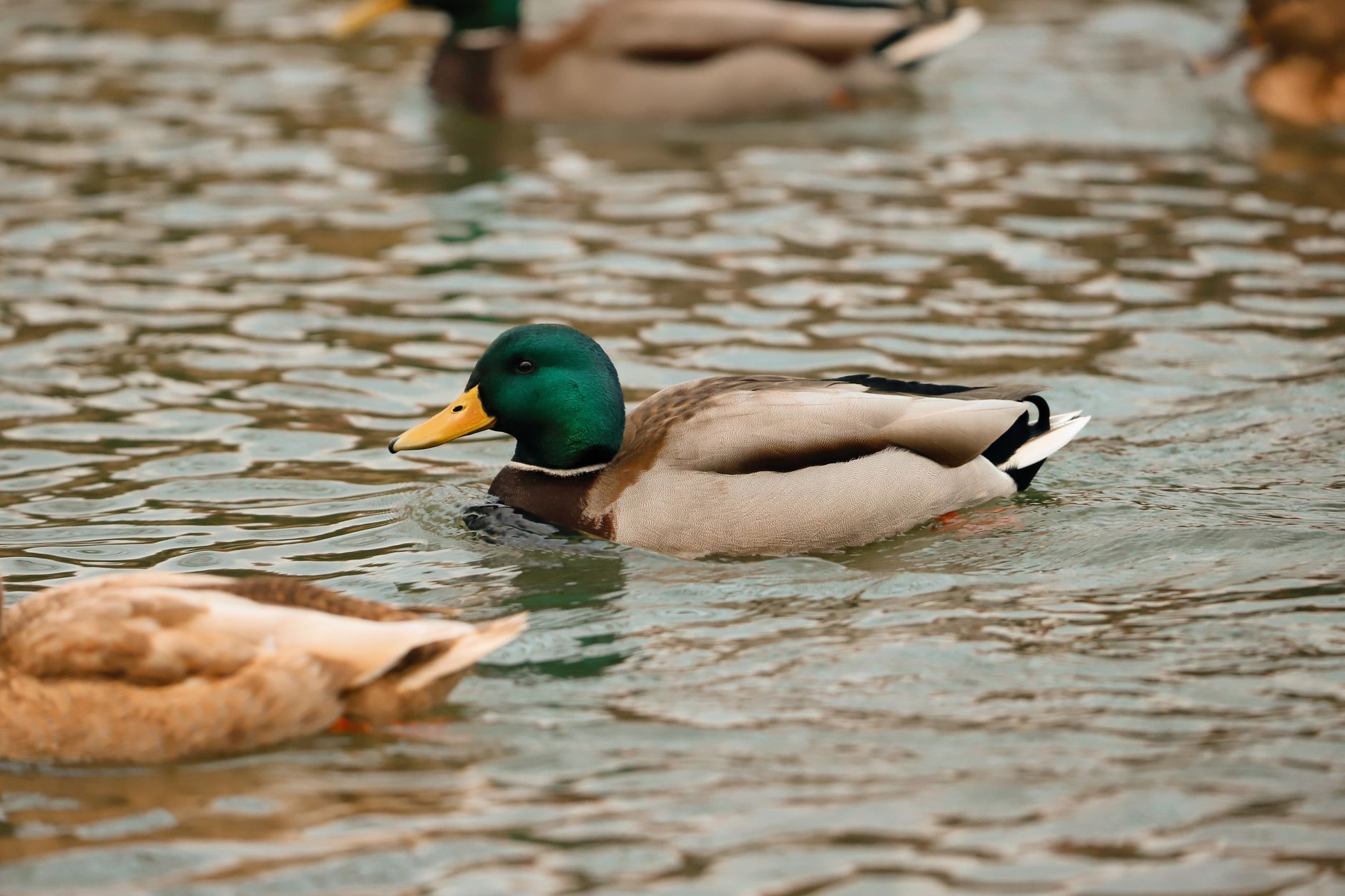
The Innate Social Nature of Ducks
Ducks are not solitary creatures. Their evolutionary history has shaped them to live in flocks, where they benefit from shared vigilance, cooperative foraging, and social interaction. Understanding this inherent sociability is crucial when considering their care in domestic settings. Do ducks need another duck? The answer, overwhelmingly, is yes.

Is distilled water good for goldfish?
What colours are fish most attracted to?
Can you put your finger in a trout's mouth?
Is methylene blue anti bacterial?
Benefits of Duck Companionship

Keeping ducks in pairs or larger groups offers several significant advantages:
- Reduced Stress and Loneliness: Solitary ducks often exhibit signs of stress, such as feather plucking, excessive vocalization, and pacing. A companion provides comfort and reduces these anxieties.
- Enhanced Security and Protection: Ducks in groups are more alert to potential dangers. They can warn each other of predators and cooperate to defend themselves.
- Stimulation and Enrichment: Social interaction provides mental and physical stimulation, preventing boredom and promoting activity. Ducks engage in various social behaviors, such as preening, swimming together, and foraging as a group.
- Improved Foraging Efficiency: Ducks often learn foraging techniques from each other. Observing experienced ducks can help younger or less skilled ducks find food more effectively.
Choosing the Right Duck Companion
Selecting a compatible companion is essential. Consider the following factors:
- Sex Ratio: A general rule is to maintain a higher ratio of females to males (e.g., 2-3 females per male) to minimize aggression from drakes. Single drakes can become overly attentive to one hen and over-mate them, causing injury or stress to the hen.
- Breed Compatibility: Most duck breeds can coexist peacefully, but some breeds are known to be more aggressive than others. Research the temperaments of different breeds before introducing them.
- Age and Size: Introducing a much smaller or younger duck to a dominant, larger duck can lead to bullying. Ensure that all ducks are relatively close in size and age to minimize potential conflicts.
- Gradual Introduction: Introduce new ducks to the existing flock gradually. Start by allowing them to see and smell each other through a fence or barrier before allowing direct contact. Supervise their interactions closely, especially during the initial period.
Signs of a Lonely Duck
Recognizing signs of loneliness is critical to ensuring a duck’s well-being. Look for these indicators:
- Excessive Vocalization: A lonely duck may call out frequently, attempting to locate other ducks.
- Feather Plucking: This is a common sign of stress and boredom.
- Loss of Appetite: Depression can lead to a decrease in appetite.
- Decreased Activity: A lonely duck may become lethargic and spend most of its time sleeping or hiding.
- Aggression Towards Humans or Objects: Frustration can manifest as aggression.
Table: Comparing the Well-being of Solitary vs. Grouped Ducks
| Feature | Solitary Duck | Grouped Duck |
|---|---|---|
| Stress Levels | High | Low |
| Social Interaction | None | Frequent |
| Security | Vulnerable | Enhanced |
| Stimulation | Low | High |
| Foraging | Less Efficient | More Efficient |
| Overall Well-being | Poor | Good |
Addressing Common Concerns
Some people worry about the increased costs or space requirements of keeping multiple ducks. While these are valid considerations, the benefits of companionship far outweigh the drawbacks. Ducks do need another duck and, with proper planning and care, keeping a small flock is manageable and rewarding.
Frequently Asked Questions (FAQs)
What is the absolute minimum number of ducks I can keep?
While ideally you would keep several ducks, the absolute minimum is two. Even a pair provides the essential social interaction that a solitary duck would severely lack.
Will ducks get lonely if they are only around chickens?
While ducks can coexist with chickens, they do not fulfill the same social needs. Ducks have specific communication methods and behaviors that chickens don’t share. Therefore, chickens cannot substitute for duck companionship.
Can different breeds of ducks live together peacefully?
Generally, yes, different breeds can live together, but it’s important to monitor their interactions, especially initially. Some breeds may be more dominant or aggressive than others. Ensure sufficient space and resources to minimize competition.
What if I only have a male duck? Can he be kept alone?
No, a male duck should not be kept alone. Single drakes can become stressed and may exhibit unwanted behaviors, such as aggression or excessive vocalization. Consider rehoming him to a flock with other ducks or acquiring a few female ducks to keep him company.
Is it cruel to keep a duck alone?
Given their strong social instincts, keeping a duck alone can be considered cruel. It deprives them of essential social interaction and can negatively impact their physical and psychological health.
How much space do two ducks need?
As a minimum, plan for around 8-10 square feet of indoor space per duck and 20-30 square feet of outdoor space per duck. More space is always better to reduce aggression and allow for natural behaviors.
What are some signs that my ducks are not getting along?
Signs of conflict include excessive chasing, feather plucking, biting, and preventing other ducks from accessing food or water. If you observe these behaviors, you may need to separate the ducks or provide more space.
Do ducklings need another duckling from a young age?
Yes, ducklings particularly benefit from being raised with other ducklings. They learn essential social skills and develop a sense of security. Raising a single duckling can lead to behavioral problems later in life.
What if I can’t keep another duck? Are there any alternatives?
While another duck is the best solution, consider rehoming your duck to a flock where it can socialize with other ducks. This may be a more humane option than keeping it in isolation.
Are Muscovy ducks different? Do they need companionship as much as other ducks?
While Muscovy ducks have some distinct behavioral traits, they still benefit from companionship. Although they may not flock as tightly as some other breeds, they still require social interaction.
How do I introduce a new duck to my existing duck?
Start by keeping them separated but within sight and sound of each other for a few days. Then, allow supervised interaction in a larger area. Monitor their behavior closely and separate them if necessary.
Can I keep a duck indoors as a companion animal?
While possible, keeping a duck indoors is not ideal. Ducks are naturally messy and require access to water for bathing and preening. Furthermore, even if you provide a companion duck indoors, the environment lacks the natural stimuli they need. It’s better to provide outdoor access if possible.