

Do Dogs Understand When You’re Yelling at Them? Unpacking Canine Comprehension
No, dogs don’t understand the specific words you’re yelling, but they are highly sensitive to your tone of voice, body language, and emotional state, allowing them to perceive that you’re upset. This makes yelling an ineffective and often counterproductive training method.

Introduction: The Human-Canine Communication Divide
The relationship between humans and dogs is built on a foundation of communication. However, our primary mode of communication, language, is something our canine companions can only grasp in a limited capacity. While dogs can learn to associate certain words with actions or objects, comprehending complex sentences and the nuances of human emotion expressed verbally is a challenge. This begs the question: Do dogs understand when you’re yelling at them? It’s a crucial question to explore for better understanding and improved training methods.

Is distilled water good for goldfish?
What colours are fish most attracted to?
Can you put your finger in a trout's mouth?
Is methylene blue anti bacterial?
Deciphering the Canine Code: Beyond Words
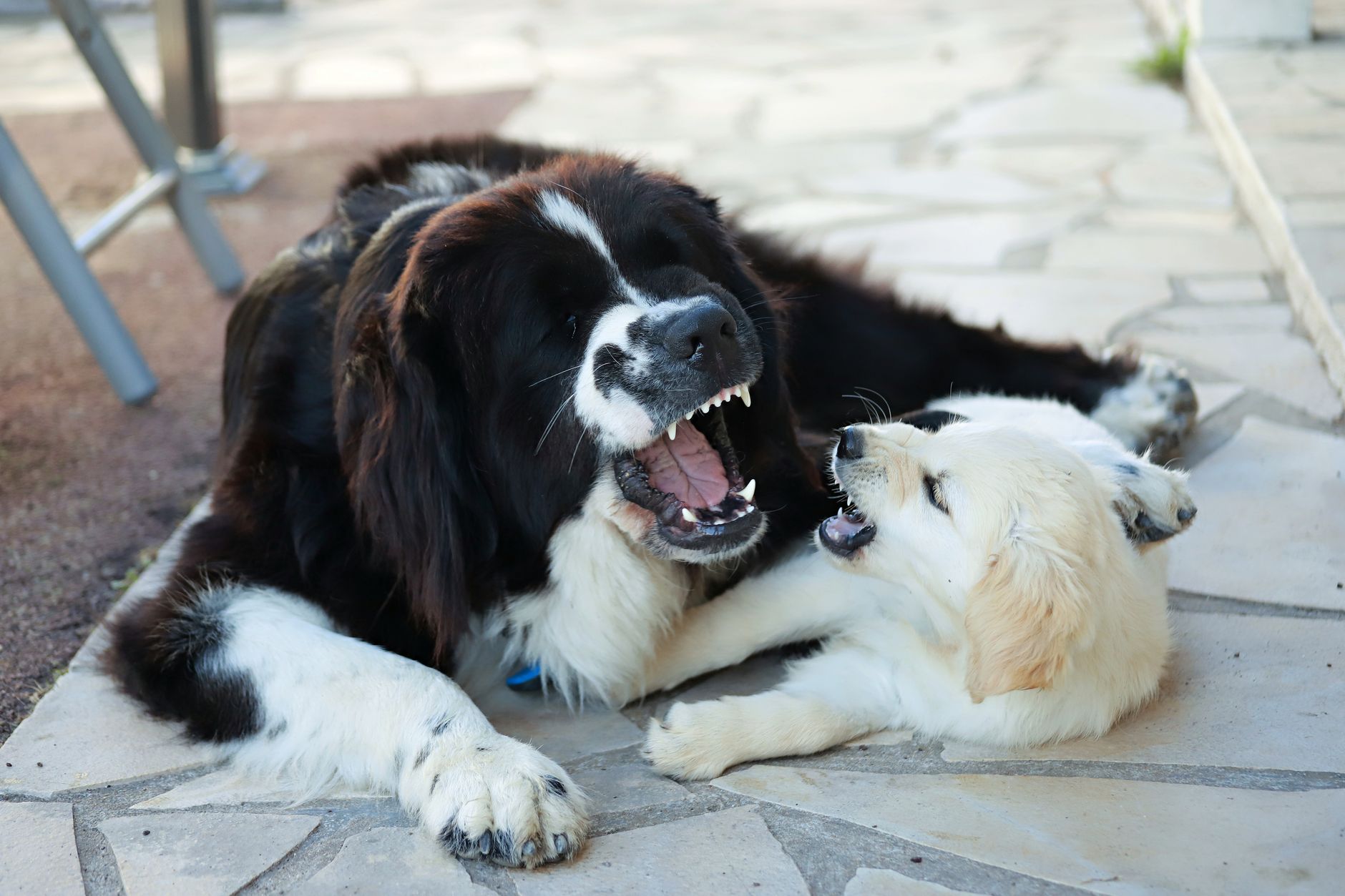
While dogs may not grasp the literal meaning of your words when you yell, they are incredibly adept at interpreting other cues. These cues allow them to gauge your emotional state and react accordingly. Here’s a breakdown:
- Tone of Voice: Dogs are highly sensitive to changes in vocal tone. A raised, aggressive tone, regardless of the words used, signals displeasure or anger.
- Body Language: Your posture, facial expressions, and gestures all contribute to the message you’re sending. A tense posture, furrowed brow, and rapid movements are clear indicators of frustration.
- Context: The situation surrounding the yelling also matters. If you’re yelling while your dog is engaging in a behavior they know is wrong, they are more likely to associate your anger with their actions.
Why Yelling is Ineffective (and Potentially Harmful)
Using a raised voice as a primary method of discipline can have detrimental effects on your dog’s well-being and training progress:
- Creates Fear and Anxiety: Yelling can induce fear and anxiety in dogs, leading to stress-related behaviors and damaging the bond between you.
- Breeds Confusion: Because they don’t understand the specific words, dogs may misinterpret the reason for your anger, leading to confusion and a decreased likelihood of correcting the undesired behavior.
- Damages Trust: A consistent pattern of yelling can erode the trust your dog has in you, making them less responsive to commands and less likely to seek your affection.
- Escalates Behavior Problems: Anxious and fearful dogs are more likely to develop behavioral issues such as aggression, excessive barking, and destructive chewing.
Positive Reinforcement: A Superior Alternative
Positive reinforcement focuses on rewarding desired behaviors, making training a positive and enjoyable experience for both you and your dog. Here’s how to implement it:
- Identify Desired Behaviors: Clearly define what you want your dog to do.
- Reward Immediately: When your dog performs the desired behavior, reward them immediately with a treat, praise, or toy.
- Consistency is Key: Be consistent with your commands and rewards to avoid confusion.
- Use a Marker Word: Use a consistent word or phrase (like “yes” or “good”) to mark the exact moment your dog performs the desired behavior. This helps them understand what they’re being rewarded for.
Comparing Yelling vs. Positive Reinforcement
| Feature | Yelling | Positive Reinforcement |
|---|---|---|
| Effectiveness | Generally ineffective, often counterproductive | Highly effective for long-term behavior change |
| Impact on Dog | Creates fear, anxiety, and confusion | Builds confidence, strengthens bond |
| Focus | Punishing undesirable behavior | Rewarding desirable behavior |
| Long-Term Results | Can lead to behavioral problems | Promotes positive and reliable behavior |
Practical Steps to Stop Yelling at Your Dog
Breaking the habit of yelling requires conscious effort and alternative strategies:
- Recognize Your Triggers: Identify the situations that typically lead to you yelling at your dog.
- Take a Break: When you feel your frustration rising, take a moment to step away and calm down before interacting with your dog.
- Practice Patience: Remember that training takes time and patience. Don’t expect overnight results.
- Seek Professional Help: If you’re struggling to manage your emotions or your dog’s behavior, consult a certified dog trainer or behaviorist.
- Focus on Communication: Concentrate on using clear, calm commands and positive reinforcement to guide your dog’s behavior.
Frequently Asked Questions
Does my dog understand specific words when I’m angry?
No, dogs don’t understand the specific meaning of words when you’re angry or yelling. They primarily respond to your tone of voice and body language, which convey your emotional state. They interpret these cues as signals of displeasure.
Can yelling permanently damage my relationship with my dog?
Yes, consistent yelling can damage the trust and bond you have with your dog. It can lead to fear, anxiety, and a reluctance to interact with you positively. Repairing a damaged relationship takes time and consistent positive interactions.
Is it ever okay to raise my voice at my dog?
In rare situations, a loud, sharp noise might be used as an emergency interruptor to prevent your dog from immediate danger (e.g., running into traffic). However, this should be an exception, not a rule, and followed by positive reinforcement when the dog complies.
What are the signs that my dog is stressed or anxious due to yelling?
Signs of stress or anxiety in dogs include: panting, yawning, lip-licking, whale eye (showing the whites of their eyes), tucked tail, pacing, shaking, and hiding. If you observe these signs after yelling, it’s a clear indication that your behavior is negatively affecting your dog.
How can I teach my dog commands without yelling?
Use positive reinforcement techniques. Reward desired behaviors with treats, praise, or toys, and be consistent with your commands. Patience and consistency are key to successful training without resorting to yelling.
What’s the best way to correct unwanted behavior in my dog?
Redirect unwanted behavior to a more acceptable alternative. For example, if your dog is chewing on furniture, offer them a chew toy instead. Positive redirection combined with positive reinforcement is far more effective than punishment.
Are some dog breeds more sensitive to yelling than others?
While individual dogs vary in temperament, some breeds are generally considered more sensitive than others. Breeds like Border Collies and Shiba Inus tend to be highly sensitive, while others, like some terrier breeds, may be more resilient.
What if my dog ignores me when I speak in a calm voice?
Ensure your commands are clear and concise. Use high-value rewards to motivate your dog and practice in a quiet, distraction-free environment. Gradually increase the level of distractions as your dog becomes more proficient.
How long does it take to see results from positive reinforcement training?
The time it takes to see results varies depending on the dog’s age, breed, temperament, and the complexity of the behavior you’re trying to teach. However, with consistent effort and positive reinforcement, you should start to see progress within a few weeks. Patience is essential!
Can I undo the negative effects of yelling at my dog?
Yes, with patience and consistent positive interactions, you can rebuild trust and repair your relationship with your dog. Focus on creating positive experiences and avoiding situations that trigger your frustration. Consistently use positive reinforcement methods.
Is professional dog training always necessary?
While not always necessary, professional dog training can be extremely beneficial, especially if you’re struggling with specific behavior issues or need guidance on using positive reinforcement techniques effectively. A certified trainer can provide personalized advice and support.
What are some alternatives to yelling that can stop my dog from engaging in dangerous behaviors?
Using a firm, but calm, “Leave it” command can be effective. Pair this with a high-value treat or toy to redirect their attention. In emergency situations, a loud clap or a quick spray of water (aimed away from the face) can startle them into stopping. Remember to always follow up with positive reinforcement when they comply.