
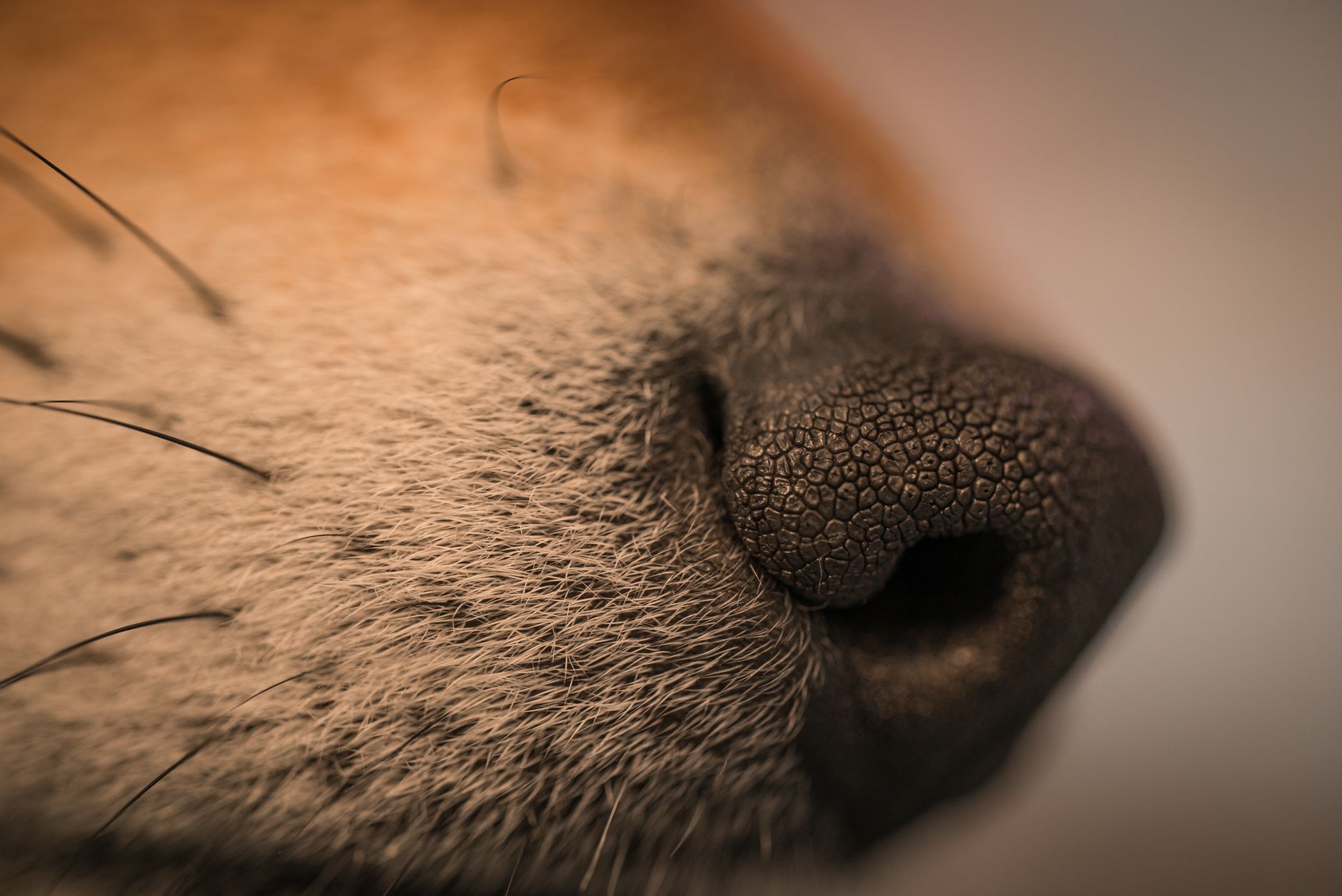
Do Dogs Need Their Whiskers to Smell? The Sensory World of Canine Whiskers
No, dogs don’t need their whiskers to directly “smell,” but these specialized hairs, called vibrissae, play a crucial indirect role in their ability to navigate and interpret their environment, supplementing their exceptional sense of smell. While not directly involved in odor detection like the nose, whiskers enhance a dog’s awareness and spatial understanding, contributing to their overall sensory perception, which significantly impacts their olfactory experience.

Understanding Canine Whiskers: Beyond Just Hairs
Whiskers, or vibrissae, are more than just elongated hairs on a dog’s face. They are sophisticated sensory tools connected to a complex network of nerves at their base. These nerves transmit information about the surrounding environment directly to the brain, allowing dogs to perceive changes in air currents, detect nearby objects, and navigate in low-light conditions. While do dogs need their whiskers to smell in the direct sense of olfactory reception? No, they enhance the overall picture.

Is distilled water good for goldfish?
What colours are fish most attracted to?
Can you put your finger in a trout's mouth?
Is methylene blue anti bacterial?
The Science Behind Vibrissae: How They Work
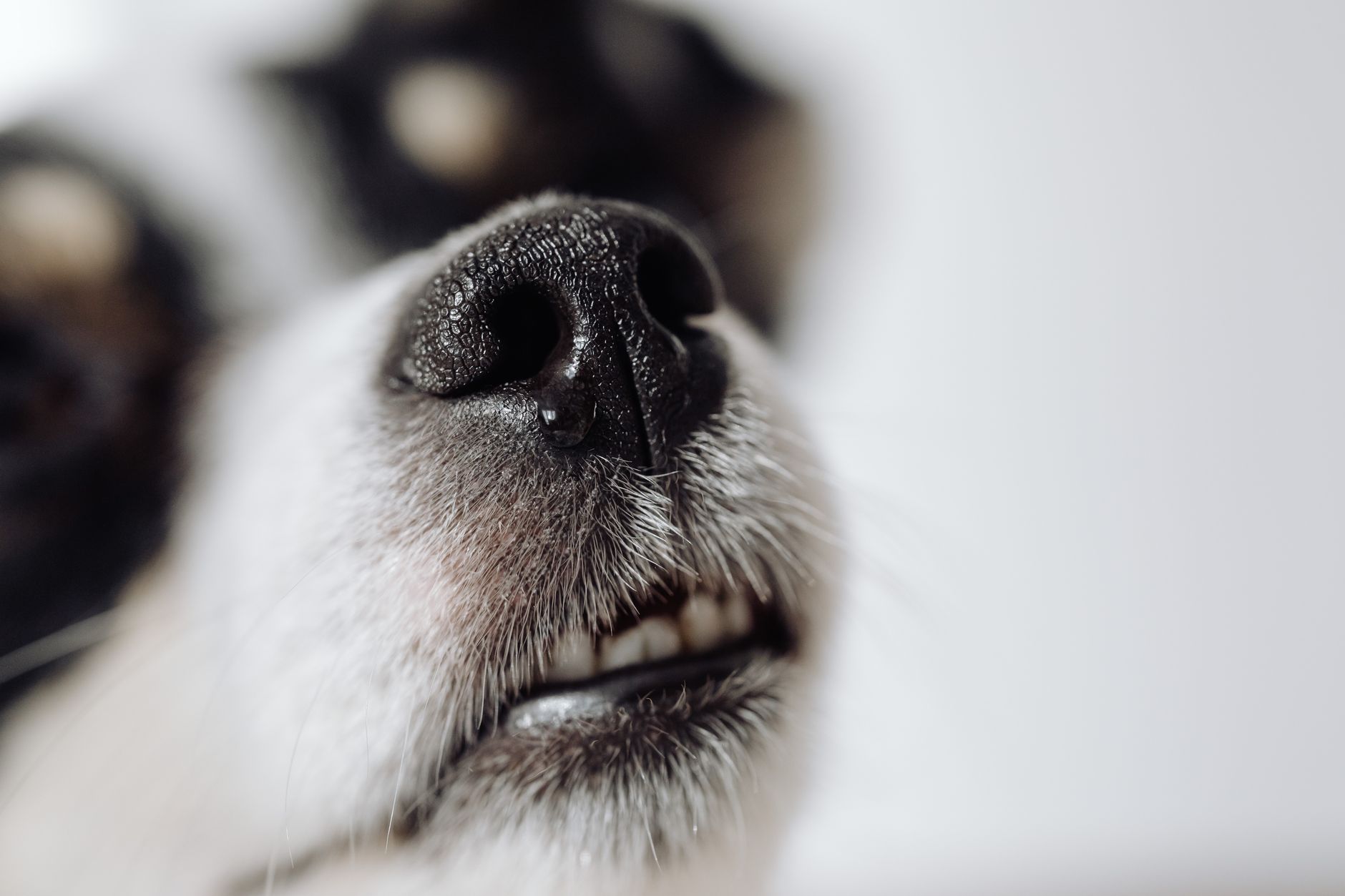
Unlike regular hairs, vibrissae are deeply rooted in the skin and surrounded by a follicle filled with blood and nerves. When the whisker is stimulated, either by touch or air movement, these nerves send signals to the brain, providing the dog with crucial sensory information. This sensory input allows dogs to perceive the shape, size, and location of objects even without direct visual contact.
The Role of Whiskers in Spatial Awareness and Navigation
Whiskers play a particularly important role in a dog’s spatial awareness. By detecting subtle changes in air currents, they can sense the presence and position of objects, even in darkness. This is especially useful for navigating tight spaces, such as dens or burrows, and for detecting approaching obstacles. This indirectly affects how they process scents, helping them build a mental map.
- Facial Whiskers: Located above the eyes, on the muzzle, and under the chin; crucial for sensing objects in front and to the sides.
- Superciliary Whiskers: Above the eyes, help protect the eyes from debris and detect overhead objects.
- Mandibular Whiskers: On the lower jaw, aid in detecting ground-level obstacles and prey.
The Interplay Between Whiskers and the Canine Sense of Smell
Although do dogs need their whiskers to smell directly? The answer is no, their powerful sense of smell is the primary tool for odor detection. However, whiskers indirectly contribute to this process. By providing information about the environment, whiskers help dogs better interpret the sensory data they receive through their nose. For example, knowing the location and shape of an object allows a dog to focus its olfactory attention more effectively.
Can Whiskers Be Trimmed or Cut? The Potential Consequences
While it might seem harmless, trimming or cutting a dog’s whiskers can have negative consequences. Removing these sensory tools can disorient the dog, reduce its spatial awareness, and make it more hesitant or clumsy. While the whiskers will eventually grow back, it is generally best to avoid cutting them unless specifically advised by a veterinarian for medical reasons.
Common Misconceptions About Canine Whiskers
One common misconception is that whiskers are only useful for blind dogs. While they are particularly important for visually impaired dogs, all dogs rely on their whiskers for sensory input. Another misconception is that cutting whiskers is purely cosmetic and has no impact on the dog’s well-being. As discussed above, this is not true, and trimming whiskers can indeed impair a dog’s sensory abilities.
The Importance of Observing Your Dog’s Whiskers
Paying attention to your dog’s whiskers can provide valuable insights into their health and well-being. For example, drooping or broken whiskers can indicate a nutritional deficiency or underlying medical condition. Changes in whisker behavior, such as excessive twitching, may indicate stress or anxiety. Therefore, monitoring your dog’s whiskers is a simple way to stay attuned to their overall health.
Frequently Asked Questions About Dog Whiskers and Smell
Why do dogs have whiskers in the first place?
Dogs have whiskers, or vibrissae, primarily to enhance their sensory perception. These specialized hairs are connected to a complex network of nerves that transmit information about the surrounding environment to the brain. This allows dogs to perceive changes in air currents, detect nearby objects, and navigate in low-light conditions. While not directly involved in smell, they enhance the overall sensory experience that affects olfactory perception.
Are whiskers just for blind dogs?
No, whiskers are not just for blind dogs. While they are particularly helpful for visually impaired dogs in navigating their environment, all dogs rely on their whiskers for sensory input. Whiskers provide valuable information about the surrounding space, helping dogs navigate and interact with their surroundings, regardless of their vision.
Will my dog be okay if I accidentally trim their whiskers?
Accidentally trimming your dog’s whiskers is not an emergency, but it is best to avoid doing so intentionally. Your dog might experience some temporary disorientation or clumsiness as they adjust to the reduced sensory input. The whiskers will eventually grow back, restoring their full sensory abilities.
Do whiskers grow back if they are cut?
Yes, whiskers do grow back if they are cut. Like other hairs, whiskers are subject to a natural growth cycle. The regrowth time can vary depending on the individual dog and the length of the whiskers, but they typically grow back within a few weeks to a few months.
Can a dog’s whiskers indicate their mood?
Yes, a dog’s whiskers, along with other body language cues, can provide clues about their mood. For example, forward-pointing whiskers can indicate alertness or interest, while flattened whiskers might suggest fear or anxiety. Observing whisker positioning, in conjunction with other signals like ear position and tail wagging, can help you better understand your dog’s emotional state.
Do puppies have whiskers?
Yes, puppies are born with whiskers, which play a crucial role in helping them navigate their environment and find their mother’s milk. These whiskers provide vital sensory input during the critical early stages of development.
Are there different types of dog whiskers?
Yes, there are different types of dog whiskers, each with specific functions and locations. Facial whiskers, located above the eyes, on the muzzle, and under the chin, are crucial for sensing objects. Superciliary whiskers, above the eyes, help protect the eyes, and mandibular whiskers, on the lower jaw, aid in detecting ground-level obstacles.
What happens if a dog loses a whisker naturally?
Losing a whisker naturally is usually not a cause for concern. Whiskers, like other hairs, shed as part of the natural growth cycle. As long as the hair follicle is not damaged or inflamed, a new whisker will grow in its place.
Can whisker sensitivity vary between dog breeds?
While there may be subtle variations in whisker sensitivity between dog breeds due to factors like whisker length or density, all dogs rely on their whiskers for sensory input. Breed-specific differences in coat type or facial structure may affect the overall effectiveness of the whiskers.
Are whiskers important for hunting dogs?
Yes, whiskers are particularly important for hunting dogs. They aid in navigating through dense undergrowth, detecting prey in low-light conditions, and avoiding obstacles. This enhanced sensory awareness can be crucial for success in the field. While do dogs need their whiskers to smell, this environmental awareness is crucial to hunting.
Can changes in a dog’s diet affect their whiskers?
Yes, a poor diet can indeed affect the health and appearance of a dog’s whiskers. Nutritional deficiencies can lead to brittle, dry, or easily broken whiskers. Providing a balanced and nutritious diet is essential for maintaining healthy whiskers.
Do cats and dogs use their whiskers in the same way?
While both cats and dogs use their whiskers for sensory perception, there are some differences in how they rely on them. Cats tend to use their whiskers more actively for judging the width of openings and navigating tight spaces, while dogs may rely more on them for detecting air currents and sensing objects in their immediate vicinity. Both enhance the overall picture of their surroundings. And again, do dogs need their whiskers to smell? The answer remains: Not directly.