

Do Dogs Know If You Laugh At Them? A Canine Cognition Deep Dive
The question of whether our canine companions understand laughter directed at them is complex; the short answer is: probably not in the way humans do. However, they are incredibly adept at reading our emotions and responding accordingly, interpreting laughter within the broader context of our behavior.

Understanding Canine Emotional Intelligence
The idea that animals lack sophisticated emotional understanding is increasingly outdated. While dogs likely don’t process humor in the same way we do, they possess a remarkable capacity to interpret human emotions through body language, vocal cues, and facial expressions. This ability is crucial to understanding whether dogs know if you laugh at them.

Is distilled water good for goldfish?
What colours are fish most attracted to?
Can you put your finger in a trout's mouth?
Is methylene blue anti bacterial?
How Dogs Perceive Human Emotions
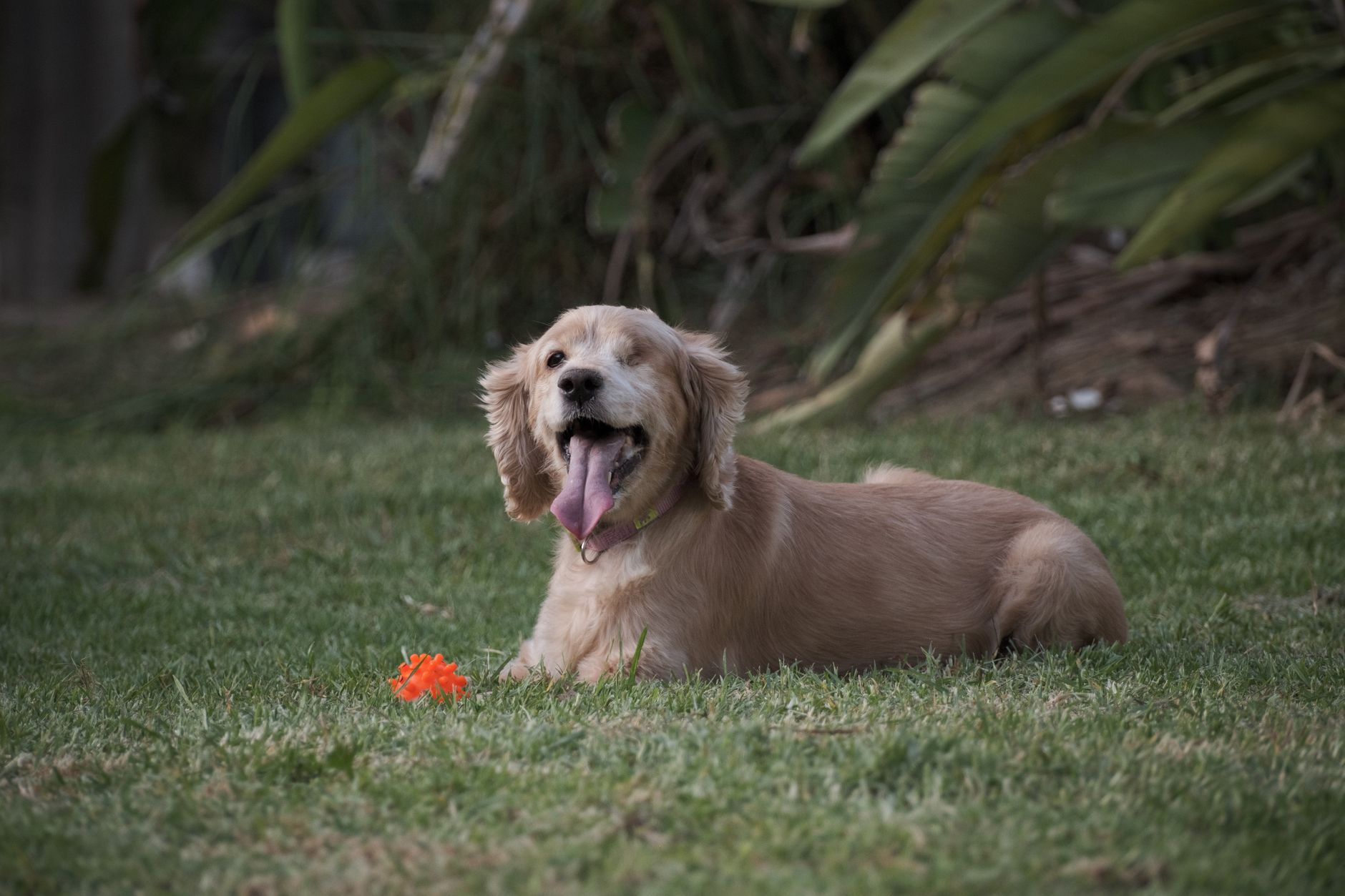
- Body Language: Dogs are masters at reading our posture, movements, and overall demeanor. A relaxed posture versus a tense one provides significant information.
- Vocal Cues: Tone of voice is critical. A soft, soothing tone signals reassurance, while a harsh tone indicates disapproval.
- Facial Expressions: While dogs don’t rely on individual facial muscle movements as much as we do, they can differentiate between a smiling face and a frowning one, especially when combined with other cues.
- Contextual Clues: The surrounding environment and the actions leading up to laughter also play a role.
The Difference Between Laughter At and Laughter With
This distinction is crucial. When humans laugh at someone, it often carries a negative connotation – mockery, ridicule, or derision. However, laughter with someone signifies joy, camaraderie, and connection. Do dogs know if you laugh at them in a mocking way? Probably not precisely, but they can certainly sense the difference in the overall emotional tone.
A dog might not understand the reason for the laughter, but they’re likely to perceive it as positive or negative based on your:
- Facial expressions: Is your face relaxed and smiling, or tense and contorted?
- Body language: Are you leaning in and engaging with them, or turned away and dismissive?
- Vocal tone: Is your laughter gentle and playful, or loud and derisive?
Positive Reinforcement vs. Negative Association
- If your laughter is accompanied by playful interaction, petting, and treats, your dog will likely associate it with a positive experience. This can reinforce desirable behaviors.
- Conversely, if your laughter is associated with scolding, punishment, or a generally negative atmosphere, your dog may develop a negative association with it. They might become anxious or withdrawn.
The Role of Breeds and Individual Personalities
Not all dogs are created equal. Some breeds are inherently more sensitive to human emotions than others. Similarly, individual dogs within the same breed can have vastly different personalities and sensitivities. A particularly sensitive dog might be more prone to misinterpreting laughter, while a more confident and resilient dog might shrug it off.
| Breed | Sensitivity to Human Emotions |
|---|---|
| Border Collie | High |
| Labrador Retriever | Moderate |
| Siberian Husky | Lower |
| Chihuahua | High |
Remember that this is just a general guideline, and individual variations are significant.
Understanding Play Bows and Playful Interactions
Many dogs engage in a “play bow” – a posture where they lower their front body while keeping their rear end raised – as an invitation to play. This often elicits laughter from their owners. Dogs quickly learn to associate this behavior with positive attention, and they may even begin to anticipate laughter as a reward. In this context, the laughter becomes a form of positive reinforcement, even if the dog doesn’t fully grasp the humor.
Can Laughter Be Used as Training Technique?
In short, no. While laughter can be part of a positive and playful interaction, it shouldn’t be the primary training tool. Consistent and clear communication through commands, rewards, and praise is much more effective. Using laughter alone can be confusing and inconsistent for your dog. You can, however, use a cheerful tone of voice when rewarding good behaviors, which can naturally include laughter in your speech.
Can Dogs Develop an Anxiety Response?
Yes. if laughter consistently accompanies negative experiences, dogs can develop an anxiety response. If you repeatedly laugh at your dog while they are struggling with a task, experiencing fear, or in a vulnerable state, they might begin to associate laughter with stress and discomfort. This can lead to behavioral problems like anxiety, fearfulness, and even aggression. Be extremely mindful of when and how you are expressing humor towards your dog.
Frequently Asked Questions (FAQs)
Can dogs understand jokes?
No, dogs do not understand jokes in the human sense. Jokes rely on complex language, irony, and abstract concepts that are beyond their cognitive abilities. They react to emotions and tones, but not narrative understanding.
Do dogs know when I’m pretending to throw a ball?
Yes, dogs are generally very good at detecting when you are pretending to throw a ball. They pick up on subtle cues in your body language and may notice that the ball isn’t actually leaving your hand. The level of attentiveness will vary between dogs.
Why does my dog look guilty after doing something wrong?
The “guilty” look is often a learned behavior. Your dog has likely learned that certain behaviors elicit a negative reaction from you, and they are displaying submissive body language (e.g., lowered head, tucked tail) to appease you and avoid punishment. Do dogs know if you laugh at them when they’re in this state? They’re more likely responding to your overall demeanor than specifically the laughter.
Do dogs understand sarcasm?
No, dogs don’t understand sarcasm. Sarcasm relies on conveying the opposite of what you actually mean through tone of voice and context, which is too nuanced for them.
Why does my dog tilt their head when I talk to them?
Head-tilting is thought to serve several purposes: improving hearing by adjusting ear position, trying to get a better view of your face (especially if your muzzle is obscured), and trying to understand what you are saying based on familiar sounds. It may also simply be a sign of attentiveness and engagement.
Do dogs have a sense of humor of their own?
While dogs don’t have a sense of humor in the human sense, they do engage in playful behaviors that seem like they are trying to elicit a reaction. For example, a dog might playfully steal a toy or chase their tail in a way that suggests they are enjoying themselves.
Is it okay to laugh at my dog when they do something silly?
It’s generally okay to laugh at your dog when they do something silly, as long as your laughter is accompanied by positive body language and a gentle tone of voice. Make sure your laughter isn’t directed at them in a way that makes them feel ridiculed or insecure.
How can I tell if my dog is uncomfortable with my laughter?
Signs that your dog is uncomfortable with your laughter include lip-licking, yawning (when not tired), whale eye (showing the whites of their eyes), tail tucking, panting, and avoidance. If you notice these signs, stop laughing and reassess the situation.
Can I use laughter to bond with my dog?
Yes, laughter can be part of a bonding experience, but it’s essential to use it appropriately. Combine laughter with other forms of positive interaction, such as petting, playing, and talking in a soothing voice. Make sure your dog is comfortable and enjoys the interaction.
Does the breed of my dog affect how they perceive laughter?
Yes, the breed can play a role. As mentioned earlier, some breeds are generally more sensitive to human emotions than others. Highly sensitive breeds may be more likely to misinterpret laughter, while more resilient breeds might be less affected.
My dog seems to get upset when I laugh at other people. Why?
This could be due to a few factors. Your dog might be protective of you and perceive laughter directed at you as a threat. They may also be confused by the change in your emotional state and try to intervene.
How can I ensure my dog understands that my laughter is playful and not mean-spirited?
Consistently pair your laughter with positive reinforcement, such as treats, praise, and petting. This will help your dog associate laughter with positive experiences and learn that it’s not a sign of disapproval or mockery. Remember tone and body language are critical!