
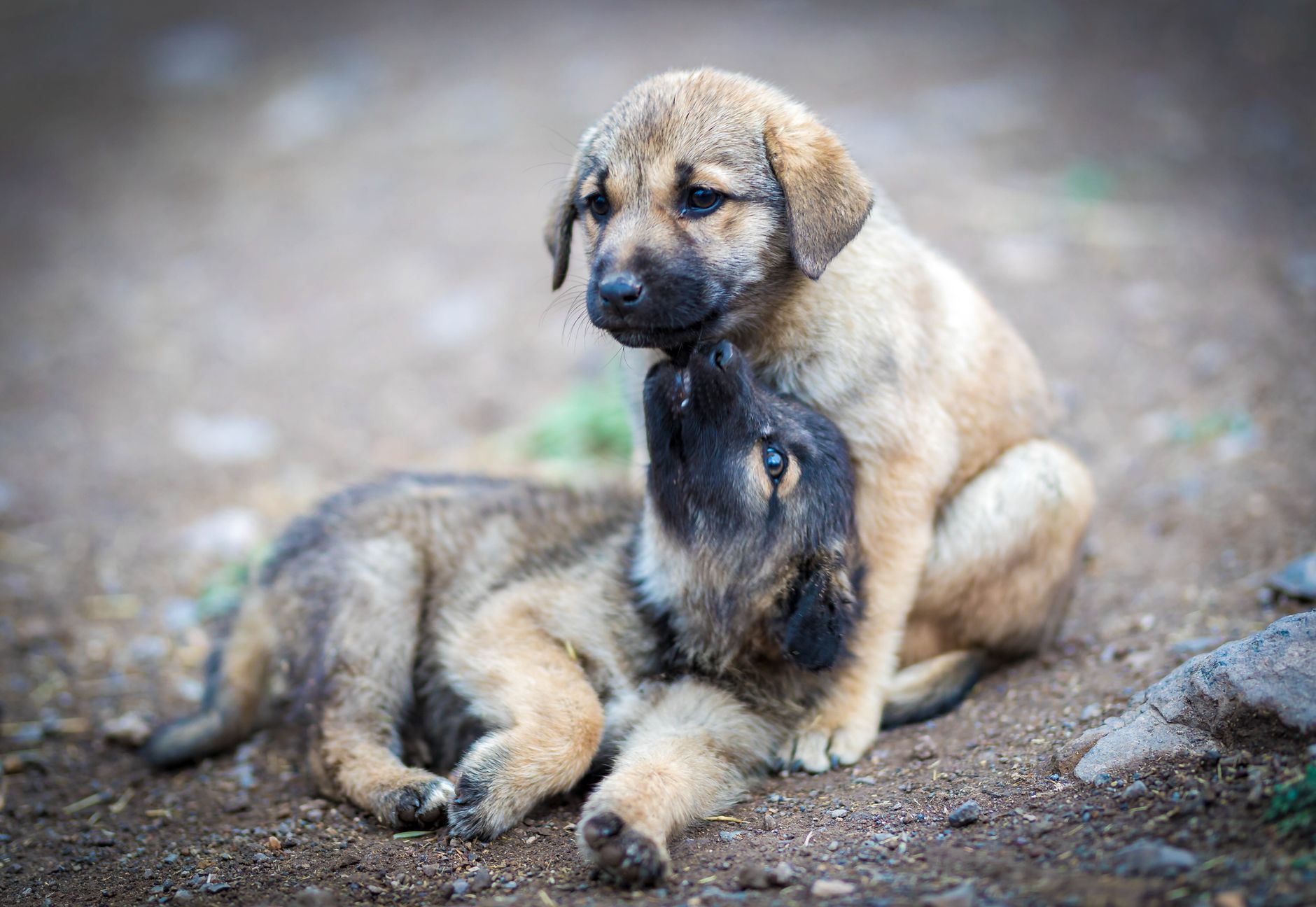
Do Dogs Know a Puppy Is a Puppy? Decoding Canine Cognition
The question of whether dogs recognize puppies as distinct beings is complex, but evidence suggests that yes, dogs exhibit behaviors indicating an understanding that puppies are different from adult dogs and require specific treatment.

Understanding Canine Cognition and Puppy Recognition
Do dogs know a puppy is a puppy? To answer this, we must first delve into the fascinating world of canine cognition. Dogs, while not capable of abstract thought like humans, possess remarkable social intelligence. This includes recognizing individuals within their pack, understanding social hierarchies, and exhibiting empathy. Puppy recognition, therefore, is likely intertwined with their understanding of these social dynamics.

Is distilled water good for goldfish?
What colours are fish most attracted to?
Can you put your finger in a trout's mouth?
Is methylene blue anti bacterial?
The Evidence: Behavioral Observations

Numerous studies and anecdotal observations point towards dogs distinguishing puppies from adults. Consider these common behaviors:
- Increased Tolerance: Adult dogs often display significantly more patience and tolerance towards puppies, allowing them liberties they would never extend to another adult dog. This includes accepting playful nips, ignoring resource-guarding attempts, and generally exhibiting a softer demeanor.
- Protective Instincts: Adult dogs, especially mothers, exhibit strong protective instincts towards puppies. This can manifest as guarding them from perceived threats, comforting them when distressed, and actively teaching them essential life skills.
- Play Styles: The way dogs interact with puppies differs dramatically from how they play with adult dogs. Puppy play often involves gentler mouthing, slower movements, and more frequent breaks, accommodating the puppy’s physical limitations.
- Communication Adjustments: Adult dogs often use different vocalizations and body language when communicating with puppies. They may use higher-pitched barks or softer growls, and their body language is typically less assertive and more encouraging.
These behaviors suggest that dogs possess an innate or learned understanding that puppies are vulnerable and require special care.
The Role of Smell and Pheromones
Olfaction plays a crucial role in how dogs perceive their world. Puppies emit unique pheromones that likely signal their age and status to adult dogs. These pheromones could trigger specific behavioral responses, further reinforcing the understanding that “do dogs know a puppy is a puppy?” The complex interaction between olfactory cues and observed behavior contribute to the nuanced way dogs treat puppies.
Learning and Socialization
While some aspects of puppy recognition may be instinctual, learning also plays a significant role. Dogs learn through observation and experience. By watching how other adult dogs interact with puppies, they learn appropriate behaviors and develop their own understanding of the puppy’s needs. Early socialization with puppies is essential for developing appropriate social skills and fostering positive relationships.
The Mother-Puppy Bond: A Special Connection
The bond between a mother dog and her puppies is particularly strong. This bond is fostered by a combination of hormonal changes, physical proximity, and constant interaction. Mother dogs exhibit unwavering dedication to their puppies, providing nourishment, warmth, and protection. They actively teach their puppies essential survival skills, such as hunting, socializing, and navigating the environment. The mother-puppy relationship provides further evidence that do dogs know a puppy is a puppy?
Addressing Potential Concerns
While most dogs exhibit positive behaviors towards puppies, some may react negatively. This can be due to factors such as:
- Lack of Socialization: Dogs who have not been properly socialized with puppies may be more likely to exhibit fear or aggression.
- Resource Guarding: Dogs who are possessive of their food, toys, or territory may view a puppy as a threat.
- Underlying Medical Conditions: Pain or discomfort can make a dog more irritable and less tolerant of puppies.
It’s crucial to introduce puppies and adult dogs gradually and under supervision. If you observe any signs of aggression, seek professional help from a qualified dog trainer or behaviorist.
Do Dogs Know a Puppy Is a Puppy? – A Complex Question with Multifaceted Answers.
The answer to the question do dogs know a puppy is a puppy? is not a simple yes or no. It’s a nuanced understanding that encompasses a combination of instinct, learning, olfaction, and social cues. While we may never fully understand the inner workings of a dog’s mind, the overwhelming evidence suggests that dogs are indeed aware of the distinct characteristics of puppies and tailor their behavior accordingly.
FAQs
Do dogs treat all puppies the same?
No, individual dogs will have different personalities and experiences that influence how they interact with puppies. Some dogs may be naturally more tolerant and nurturing, while others may be more reserved or even fearful.
Can puppies sense that adult dogs are bigger and stronger?
Yes, puppies are likely able to perceive the size and strength differences between themselves and adult dogs, influencing their behavior and interactions. This understanding likely contributes to their submissive behavior towards adults.
What age is a puppy no longer considered a puppy by adult dogs?
There is no definitive age, as it varies depending on the breed, individual dog, and context. However, once a dog reaches physical and social maturity (typically around 1-2 years old), adult dogs are more likely to treat them as equals.
Are female dogs more likely to be nurturing towards puppies?
Generally, female dogs, especially those who have had puppies themselves, tend to exhibit stronger nurturing instincts towards puppies. However, male dogs can also be caring and protective of puppies.
How important is socialization for puppies learning how to interact with adult dogs?
Socialization is crucial for puppies to learn appropriate social skills and develop positive relationships with adult dogs. Early exposure to a variety of well-behaved adult dogs can help puppies learn how to communicate effectively and avoid conflict.
What should I do if my adult dog is aggressive towards a puppy?
Separate the dogs immediately and consult with a qualified dog trainer or behaviorist. Aggression should never be ignored, as it can escalate and lead to serious injuries. Professional guidance is essential for addressing the underlying cause of the aggression and developing a safe management plan.
Do dogs understand that human babies are similar to puppies?
Dogs may perceive similarities between human babies and puppies, such as their small size, high-pitched vocalizations, and dependence on adults. However, it’s crucial to remember that dogs do not understand the complex social hierarchy and rules that govern human interactions. Therefore, careful supervision is always necessary.
Can puppies manipulate adult dogs with their cuteness?
It’s difficult to say definitively whether puppies intentionally manipulate adult dogs. However, their cute appearance and behaviors likely trigger nurturing instincts in adult dogs, leading to more tolerant and forgiving treatment.
What is the best way to introduce a new puppy to an existing adult dog?
Start with slow, controlled introductions in a neutral territory. Allow the dogs to sniff each other under the door or through a crate before allowing them to interact face-to-face. Supervise their interactions closely and separate them if you observe any signs of tension or aggression.
Do dogs remember their own puppyhood?
While we cannot know for sure, it is unlikely that dogs have conscious memories of their puppyhood in the same way humans do. However, their early experiences likely shape their behavior and preferences throughout their lives.
How can I help my puppy gain confidence around adult dogs?
Provide your puppy with positive experiences with well-behaved adult dogs. Supervise their interactions closely and ensure that your puppy feels safe and secure. Avoid forcing interactions if your puppy is fearful or anxious.
What role does genetics play in a dog’s reaction to puppies?
Genetics certainly play a role in a dog’s temperament and predisposition towards certain behaviors. Some breeds are known for being more tolerant and nurturing, while others may be more prone to resource guarding or aggression. However, environmental factors and training also play a significant role.