
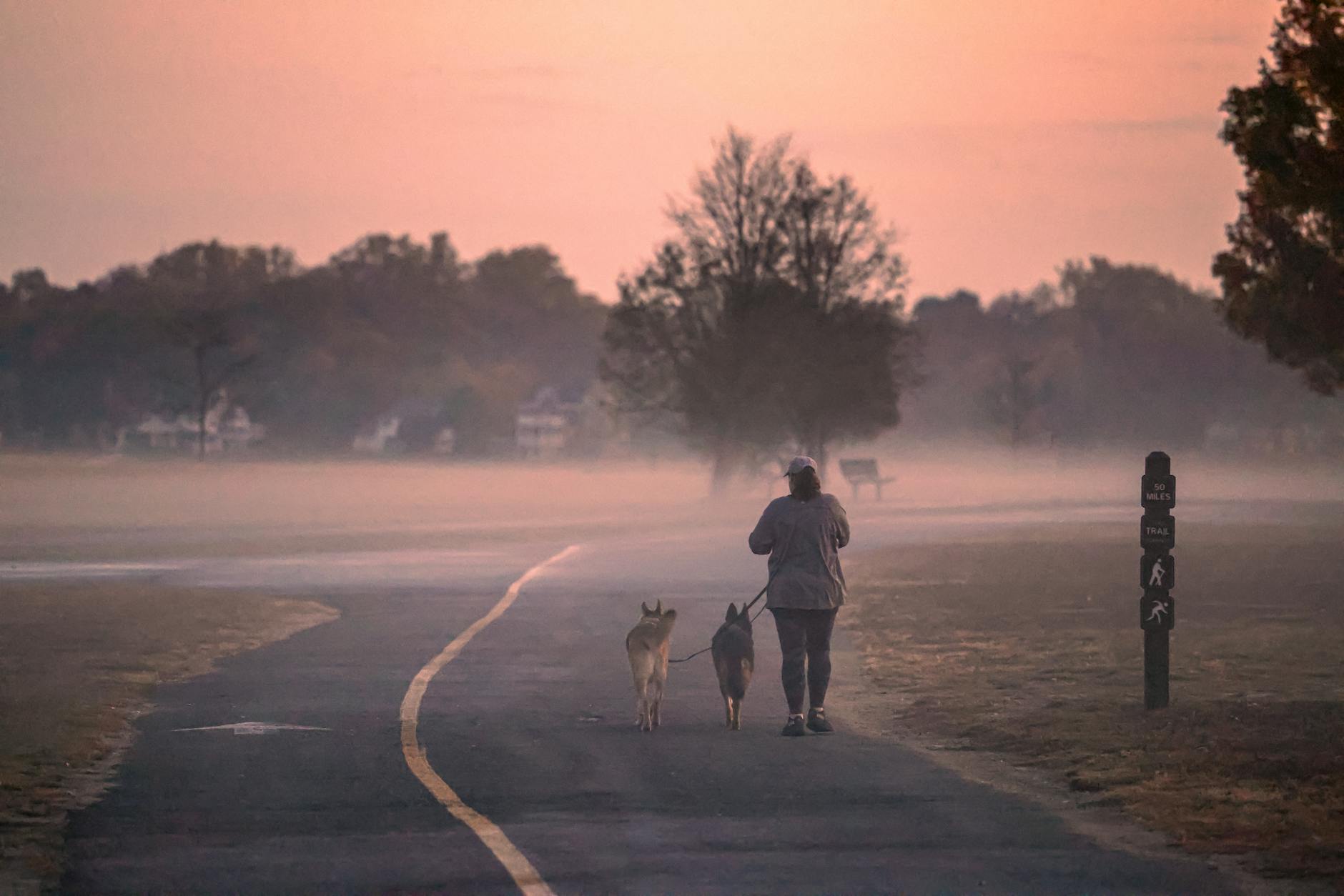
Do Dogs Really Need a Morning Walk? Unpacking the Morning Routine
Whether dogs have to be walked first thing in the morning depends heavily on the individual dog’s needs, but incorporating a morning walk into your routine can offer significant physical and mental health benefits.

The Nuances of the Morning Dog Walk
The image of a dog eagerly awaiting their morning walk is a common one, but is it a necessity for every canine companion? The answer, as with many aspects of dog ownership, is nuanced. While do dogs have to be walked first thing in the morning? Isn’t a universal mandate, understanding your dog’s individual needs, breed predispositions, and daily routine is crucial. A well-timed and thoughtfully planned morning walk can be incredibly beneficial, but it’s not always the only—or even the best—option. This article will delve into the various factors that determine whether that early morning stroll is truly essential for your furry friend.

Do all amphibians have eyelids?
Why do cuttlefish have W-shaped eyes?
Do all snakes have poison in them?
What is the GREY African clawed frog?
Understanding Your Dog’s Individual Needs

Every dog is an individual with unique physical and mental requirements. Several factors contribute to whether do dogs have to be walked first thing in the morning?
- Age: Puppies and senior dogs often have different needs than adult dogs. Puppies require more frequent potty breaks, while senior dogs may have reduced stamina.
- Breed: High-energy breeds like Border Collies or Huskies typically need more exercise than lower-energy breeds like French Bulldogs.
- Health: Dogs with medical conditions like arthritis or heart disease may have limitations on their exercise tolerance.
- Potty Habits: Some dogs simply need to relieve themselves first thing in the morning.
- Energy Levels: An anxious or high-energy dog may benefit more from a morning walk than a relaxed, older dog.
The Benefits of a Morning Walk
While not universally required, a morning walk can offer a multitude of advantages for both you and your dog.
- Physical Exercise: Provides an opportunity for your dog to burn energy and maintain a healthy weight.
- Mental Stimulation: Exposure to new sights, sounds, and smells helps to keep your dog mentally stimulated and prevents boredom.
- Potty Break: Allows your dog to relieve themselves, reducing the risk of accidents inside the house.
- Socialization: Provides opportunities to interact with other dogs and people, which is crucial for socialization.
- Bonding: A walk can be a great bonding experience, strengthening the relationship between you and your dog.
- Improved Behavior: Regular exercise can help to reduce behavioral problems such as excessive barking or chewing.
Alternative Morning Activities
If a full walk isn’t feasible or necessary, consider these alternatives:
- Playtime in the yard: A quick game of fetch or tug-of-war can provide a burst of energy release.
- Indoor enrichment activities: Puzzle toys, treat dispensing toys, or a quick training session can stimulate your dog’s mind.
- Short potty break: Just a quick trip outside to relieve themselves.
Potential Drawbacks of Early Morning Walks
Consider these potential drawbacks before making a morning walk a daily habit:
- Your own schedule: A morning walk might not fit into your schedule, especially on busy days.
- Weather conditions: Extreme heat, cold, or rain can make walking uncomfortable or even dangerous.
- Safety concerns: Walking in the dark can be hazardous, especially in areas with poor lighting.
Tips for a Successful Morning Walk
If you decide that a morning walk is right for your dog, here are some tips to ensure it’s a positive experience:
- Start slowly: Gradually increase the length and intensity of the walks to avoid overexertion.
- Pay attention to your dog’s body language: Watch for signs of fatigue, discomfort, or anxiety.
- Bring water: Especially important on warm days.
- Use a leash and collar or harness: Ensure your dog’s safety and prevent them from running off.
- Clean up after your dog: Always bring poop bags and dispose of waste properly.
- Vary the route: Keep things interesting by exploring different neighborhoods or parks.
Morning Walk Routine: A Comparative Table
| Factor | High-Energy Dog | Low-Energy Dog | Puppy | Senior Dog |
|---|---|---|---|---|
| Walk Length | 30-60 minutes | 15-30 minutes | 15-20 minutes (multiple short walks) | 15-20 minutes, shorter distance |
| Frequency | Daily | Every Other Day | Several times a day | Daily, as tolerated |
| Focus | Exercise & Stimulation | Gentle Exercise | Potty Training & Socialization | Comfort & Mobility |
| Considerations | Heat tolerance, hydration | Weather conditions, joints | Vaccination status, safety | Joint pain, temperature |
Frequently Asked Questions (FAQs)
Is it cruel not to walk my dog first thing in the morning?
No, it’s not inherently cruel. If your dog is getting adequate exercise, mental stimulation, and potty breaks throughout the day, skipping a morning walk isn’t necessarily detrimental. The key is ensuring their needs are met, regardless of when they are met.
What if my dog refuses to go outside in the morning?
There could be various reasons. Check for physical discomfort or pain, aversion to weather conditions, or anxiety. If the behavior persists, consult with a vet or a certified dog trainer to rule out any underlying issues. Never force your dog if they are showing signs of distress.
How long should a morning dog walk be?
The ideal length depends on your dog’s age, breed, and energy level. A general guideline is 15-60 minutes, but always observe your dog’s body language and adjust accordingly.
What are the signs that my dog needs a longer morning walk?
Signs include excessive energy, restlessness, destructive behavior, and difficulty settling down after the walk. If your dog seems unfulfilled after the walk, consider gradually increasing the duration or intensity.
Can I skip the morning walk on weekends?
Yes, as long as your dog still receives adequate exercise and mental stimulation throughout the day. Flexibility is key, and your weekend routine may naturally include more playtime or outdoor activities at different times.
Is it okay to combine the morning walk with breakfast?
Some dogs are prone to bloat if they exercise vigorously right after eating. It’s generally recommended to wait at least 30 minutes to an hour after feeding before engaging in strenuous activity.
What should I do if my dog pulls excessively on the leash during morning walks?
Implement leash training techniques to teach your dog to walk politely on a loose leash. Consistency is crucial. Consider using a harness or head halter to provide better control.
What if my dog is reactive to other dogs during morning walks?
Work with a certified dog trainer to address the reactivity. Techniques may include desensitization and counter-conditioning. Prioritize safety and maintain a safe distance from other dogs.
Are there any benefits to letting my dog off-leash during morning walks?
Off-leash exercise can be beneficial, but only in safe and designated areas. Ensure your dog has excellent recall skills before allowing them off-leash. Always obey local leash laws.
How does diet impact the need for a morning walk?
A high-quality diet can contribute to overall energy levels. A diet that provides balanced nutrition can support better stamina and performance during walks. However, diet alone doesn’t negate the need for physical exercise and mental stimulation. A balanced diet combined with regular exercise is ideal.
What are some alternatives to walking my dog in the morning during bad weather?
Engage in indoor activities such as playing fetch in a hallway, using puzzle toys, or practicing training commands. Consider doggy daycare or hiring a dog walker for days when you cannot provide adequate exercise.
How can I tell if do dogs have to be walked first thing in the morning? for my particular dog, or if I can adjust the schedule to fit my life?
Closely observe your dog’s behavior throughout the day. If they are calm, relaxed, and engaging in appropriate activities, then your current schedule is likely working. If they are displaying signs of boredom, anxiety, or pent-up energy, then it may be time to re-evaluate their exercise routine. Consult with your veterinarian or a certified dog trainer for personalized guidance.