

How to Craft Effective Homemade Rabbit Protection for Your Garden
Protecting your precious garden from hungry rabbits doesn’t require expensive store-bought solutions. Learning how to make homemade rabbit protection is both cost-effective and surprisingly simple, safeguarding your plants with readily available materials.

Introduction: The Ubiquitous Rabbit Threat
Rabbits, with their adorable appearance, can be a gardener’s worst nightmare. They possess an insatiable appetite for tender shoots, leafy greens, and even the bark of young trees, capable of decimating a garden in a remarkably short time. While commercially available rabbit repellents and fencing exist, they can be costly and may contain chemicals that some gardeners prefer to avoid. Fortunately, how to make homemade rabbit protection offers an effective, eco-friendly, and budget-conscious alternative. This article will explore various methods and materials you can use to shield your plants from these furry foragers.
Understanding the Rabbit’s Perspective

Before diving into construction, it’s beneficial to understand why rabbits target your garden. They are drawn to:
- Young, tender plants: These are easier to digest and provide more nutrients.
- Plants near the ground: Rabbits are primarily ground-dwelling creatures.
- Areas with easy access to cover: Rabbits prefer to forage in areas where they can quickly retreat if threatened.
By understanding these preferences, you can tailor your rabbit protection methods for maximum effectiveness.
Methods for Creating Homemade Rabbit Protection
Several approaches can be employed to protect your garden from rabbits. These methods typically involve physical barriers or repellents.
-
Physical Barriers:
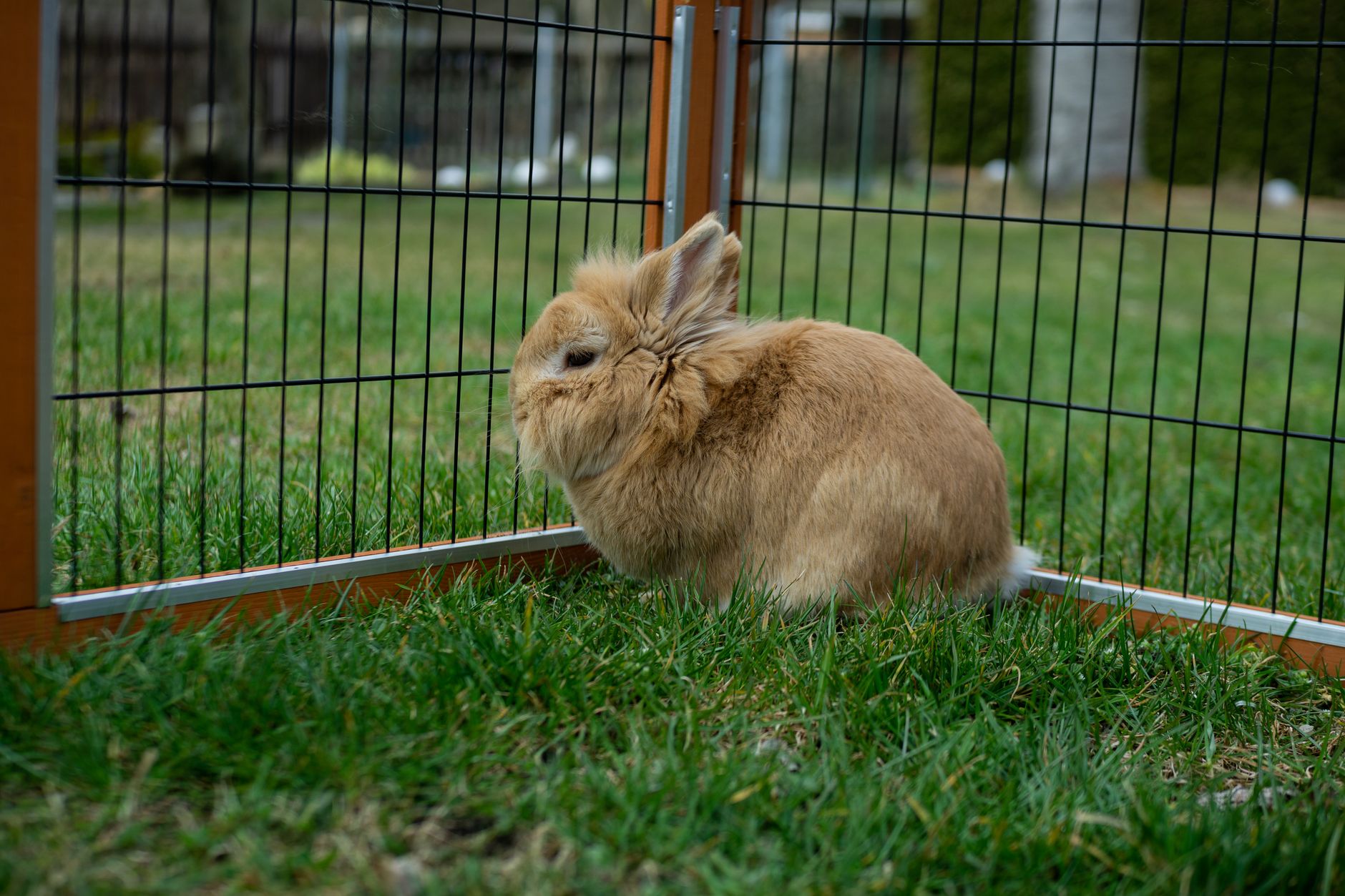
- Wire Mesh Fencing: The most effective method, especially for larger areas. Use 1-inch mesh chicken wire or hardware cloth, buried at least 6 inches deep to prevent rabbits from digging underneath. The fence should be at least 2-3 feet high.
- Individual Plant Cages: Constructed from chicken wire or plastic netting, these cages provide targeted protection for vulnerable plants.
- Plant Collars: Circles of cardboard or plastic placed around the base of plants to prevent rabbits from gnawing on stems.
-
Homemade Rabbit Repellents:
- Hot Pepper Spray: Mix hot pepper flakes (cayenne, habanero) with water and a small amount of dish soap (as a surfactant) in a spray bottle. Spray on plants, avoiding edible parts if you plan to consume them. Reapply after rain.
- Garlic Spray: Similar to hot pepper spray, but using crushed garlic instead of pepper flakes.
- Egg-Based Repellent: Mix eggs with water and spray on plants. The sulfurous smell deters rabbits.
Detailed Steps for Building a Wire Mesh Fence
A well-constructed wire mesh fence is arguably the most reliable method of how to make homemade rabbit protection.
- Measure the area: Determine the perimeter of your garden or the area you want to protect.
- Purchase materials: Buy chicken wire or hardware cloth (1-inch mesh recommended), sturdy stakes (wood or metal), and staples or zip ties for attaching the mesh to the stakes.
- Install the stakes: Drive the stakes into the ground along the perimeter, spacing them 4-6 feet apart.
- Attach the mesh: Unroll the wire mesh and attach it to the stakes using staples or zip ties.
- Bury the mesh: Dig a trench around the perimeter of the fence, approximately 6 inches deep. Bury the bottom edge of the wire mesh in the trench to prevent rabbits from digging underneath.
- Secure the bottom: Backfill the trench with soil and tamp it down firmly.
Advantages and Disadvantages of Different Methods
| Method | Advantages | Disadvantages |
|---|---|---|
| Wire Mesh Fence | Highly effective, long-lasting, protects a large area | More expensive, requires more effort to install, can be visually unappealing |
| Individual Plant Cages | Protects specific plants, relatively inexpensive, easy to install | Only protects individual plants, time-consuming for large gardens |
| Plant Collars | Simple, inexpensive, protects plant stems | Only protects plant stems, not the entire plant, may need to be replaced frequently |
| Hot Pepper Spray | Inexpensive, easy to apply | Needs frequent reapplication, may irritate skin and eyes, avoid on edible parts |
| Garlic Spray | Inexpensive, easy to apply | Needs frequent reapplication, strong odor |
| Egg-Based Repellent | Inexpensive, easy to apply, uses readily available materials | Needs frequent reapplication, strong odor |
Maintaining Your Homemade Rabbit Protection
Regular maintenance is essential to ensure the continued effectiveness of your rabbit protection measures.
- Inspect fences regularly: Check for holes or damage and repair them promptly.
- Reapply repellents: Apply homemade repellents after rain or every few days, as needed.
- Clear vegetation around fences: Remove any vegetation that could provide cover for rabbits near the fence.
Common Mistakes to Avoid
- Not burying the fence deeply enough: Rabbits are skilled diggers.
- Using too large a mesh size: Smaller rabbits can squeeze through larger mesh.
- Not reapplying repellents frequently enough: Repellents lose their effectiveness over time.
- Ignoring signs of rabbit activity: Regularly inspect your garden for signs of rabbit damage (e.g., gnawed stems, droppings).
Alternative Strategies for Rabbit Deterrence
Besides direct barriers and repellents, other strategies can contribute to reducing rabbit presence:
- Planting rabbit-resistant plants: Some plants, like daffodils, marigolds, and lavender, are naturally less appealing to rabbits.
- Providing alternative food sources: A designated “rabbit buffet” area with less valuable plants might distract them from your prized vegetables.
- Using motion-activated sprinklers: These can startle rabbits and discourage them from entering your garden.
Conclusion: A Protected Garden is a Happy Garden
Learning how to make homemade rabbit protection is a valuable skill for any gardener. By understanding rabbit behavior and implementing appropriate protective measures, you can significantly reduce the damage they cause and enjoy a thriving, bountiful garden. Experiment with different methods to find what works best for your specific situation and remember that persistence is key.
Frequently Asked Questions (FAQs)
What is the best mesh size for rabbit fencing?
A mesh size of 1 inch or smaller is recommended for rabbit fencing. This will prevent even small rabbits from squeezing through. Hardware cloth offers a more durable and long-lasting option than chicken wire.
How deep should I bury my rabbit fence?
The rabbit fence should be buried at least 6 inches deep to prevent rabbits from digging underneath. In areas with particularly persistent rabbits, you may want to consider burying it even deeper.
Are homemade rabbit repellents safe for pets and children?
While generally considered safer than chemical repellents, homemade repellents can still be irritating. Exercise caution when applying them, and keep pets and children away from treated areas until the repellent has dried. Avoid spraying on edible parts of plants if you plan to consume them.
How often should I reapply homemade rabbit repellent?
The frequency of reapplication depends on the weather and the specific repellent used. Generally, you should reapply repellents after rain or every few days, as needed. Monitor your plants for signs of rabbit damage to determine if more frequent application is necessary.
What plants are naturally rabbit-resistant?
Many plants are naturally less appealing to rabbits, including: daffodils, marigolds, lavender, snapdragons, salvia, yarrow, and herbs like rosemary, thyme, and oregano. Planting these around the perimeter of your garden can help deter rabbits.
Can I use human hair to deter rabbits?
Some gardeners claim that spreading human hair around plants can deter rabbits, as they are repelled by the scent. While this method may have some limited effectiveness, it is not as reliable as physical barriers or proven repellents.
Will loud noises scare away rabbits?
Loud noises, such as those from a radio or ultrasonic device, can temporarily scare away rabbits. However, they will likely become accustomed to the noise over time and return to your garden.
Is it ethical to trap and relocate rabbits?
While trapping and relocating rabbits may seem like a humane solution, it is often not effective and can be detrimental to both the rabbits and the environment. Relocated rabbits may struggle to survive in a new territory, and they may also introduce diseases to local rabbit populations. It’s generally better to focus on preventative measures.
What are some signs that rabbits are damaging my garden?
Common signs of rabbit damage include gnawed stems, cleanly cut leaves, and small, round droppings in your garden. You may also see rabbits themselves foraging in your garden, particularly in the early morning or late evening.
How can I protect the bark of young trees from rabbits?
Rabbits often gnaw on the bark of young trees, which can damage or even kill the tree. To protect the bark, wrap the trunk with wire mesh or plastic tree guards.
Are there any specific ingredients I should avoid in homemade rabbit repellents?
Avoid using ingredients that could be harmful to plants or animals, such as bleach or strong chemicals. Stick to natural ingredients like hot peppers, garlic, and eggs.
What if my neighbor is attracting rabbits to their yard?
If your neighbor is attracting rabbits to their yard (e.g., by leaving out food), try talking to them politely about the issue. They may be unaware of the problem and willing to take steps to reduce the rabbit population in their yard. You can also focus on strengthening your own rabbit protection measures.