

Do Dogs Mirror Our Slumber? Unveiling Canine Sleep Patterns
Yes, to a significant extent, dogs do follow human sleep schedule. However, their sleep architecture differs, featuring more frequent but shorter sleep cycles compared to humans, adapting to our routines and providing companionship throughout the day and night.
Introduction: Canine Companions and Shared Rhythms
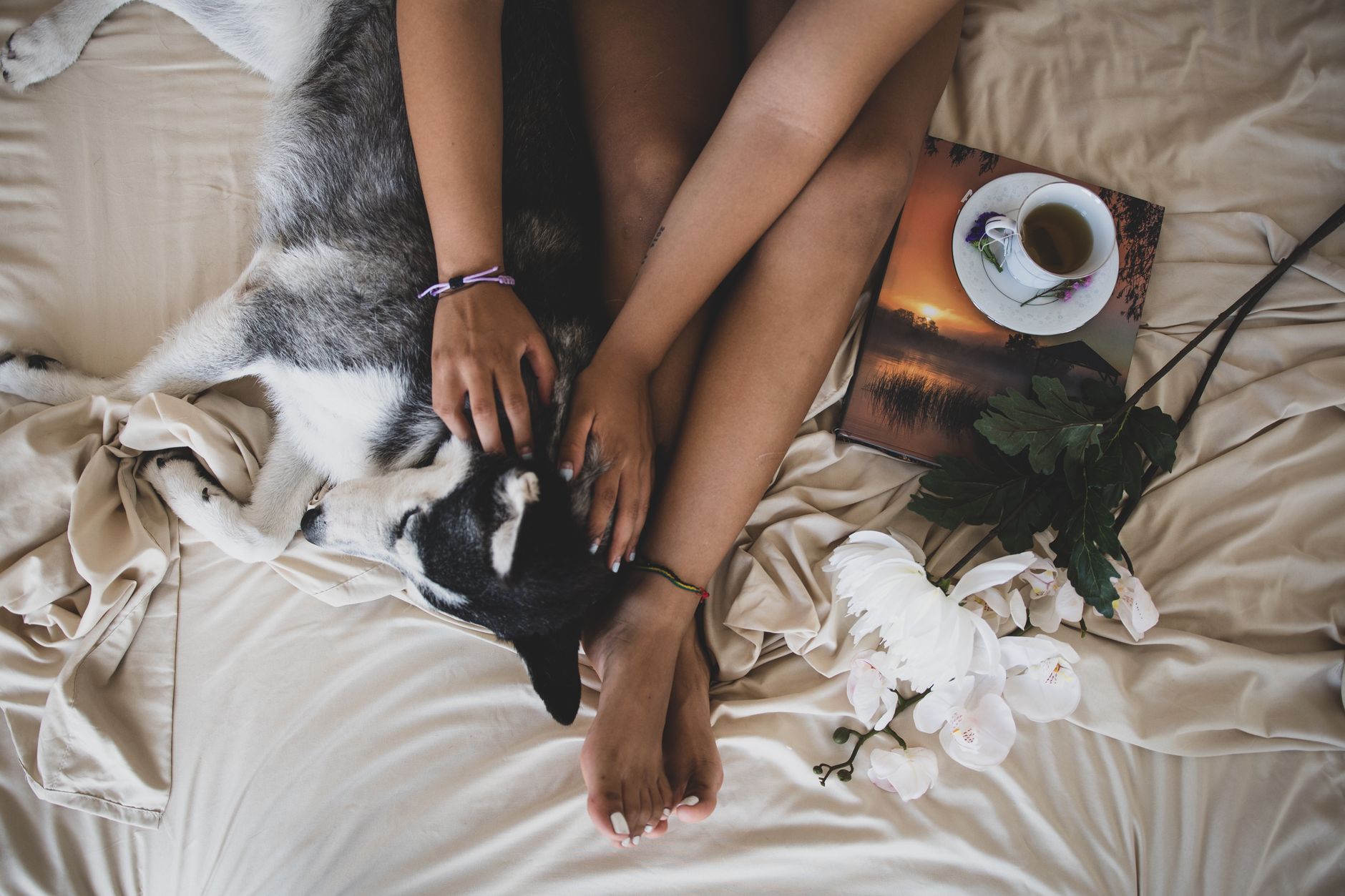
The bond between humans and dogs is deeply rooted in shared experiences, from playful activities to comforting cuddles. But does this connection extend to the realm of sleep? Do dogs follow human sleep schedule? The answer is more nuanced than a simple yes or no. While dogs are capable of adapting their sleep patterns to align with their human companions, their natural sleep architecture and needs differ, leading to an interesting interplay of synchronization and independent sleep rhythms.
Is distilled water good for goldfish?
What colours are fish most attracted to?
Can you put your finger in a trout's mouth?
Is methylene blue anti bacterial?
The Science of Sleep: Human vs. Canine

Understanding whether dogs follow human sleep schedule requires a brief exploration of the science behind sleep in both species. Humans typically experience monophasic sleep, meaning we consolidate our sleep into one long period during the night. Dogs, on the other hand, are polyphasic sleepers, engaging in multiple sleep bouts throughout the day and night.
This difference stems from several factors:
-
Evolutionary History: Dogs, as descendants of wolves, retain some of their ancestors’ alertness and vigilance. Sleeping in short bursts allows them to remain semi-alert to potential threats.
-
Metabolic Rate: Dogs have a higher metabolic rate than humans, which may influence their sleep cycle duration.
-
Lifestyle: Domestication and the modern dog lifestyle have significantly altered canine sleep patterns, allowing them to adapt to human schedules.
How Dogs Adapt to Human Sleep Schedules
Despite inherent differences, dogs do follow human sleep schedule to a remarkable degree. This adaptation is driven by several factors:
-
Entrainment: Dogs are highly sensitive to environmental cues, such as light, temperature, and human activity. These cues help to entrain their circadian rhythm to align with the human household’s schedule.
-
Social Bonding: Dogs thrive on social interaction and seek companionship. By observing their human’s sleep-wake cycle, they naturally adjust their own patterns to maximize time spent together.
-
Feeding Schedules: Consistent meal times reinforce the daily rhythm, influencing both activity and sleep patterns.
-
Training and Routine: Consistent routines, including bedtime rituals and designated sleep areas, contribute to predictable sleep patterns in dogs.
Factors Influencing a Dog’s Sleep
While dogs follow human sleep schedule generally, several factors can influence a dog’s individual sleep patterns:
-
Age: Puppies and senior dogs tend to sleep more than adult dogs. Puppies need extra sleep for development, while older dogs require more rest due to age-related factors.
-
Breed: Some breeds, such as larger breeds, may sleep more than smaller, more energetic breeds.
-
Health: Underlying health conditions, such as pain or discomfort, can disrupt sleep patterns.
-
Environment: A noisy or uncomfortable environment can negatively impact sleep quality.
-
Activity Level: Active dogs may need more sleep to recover from physical exertion.
Recognizing Signs of Sleep Deprivation in Dogs
Even if dogs follow human sleep schedule, they can still experience sleep deprivation. Identifying these signs is crucial for ensuring their well-being:
- Increased Irritability or Aggression: A sleep-deprived dog may be more prone to snapping or growling.
- Reduced Appetite: Sleep deprivation can affect a dog’s appetite and overall energy levels.
- Excessive Daytime Sleepiness: While dogs nap, excessive daytime sleepiness could indicate a sleep problem.
- Lack of Focus: A tired dog may struggle to concentrate during training or playtime.
- Changes in Activity Level: Either a significant decrease or increase in activity could signify sleep disruption.
Table: Comparing Human and Dog Sleep
| Feature | Human | Dog |
|---|---|---|
| Sleep Pattern | Monophasic | Polyphasic |
| Sleep Cycle Length | 90-120 minutes | 45-60 minutes |
| REM Sleep | Approximately 20-25% of sleep | Approximately 10-12% of sleep |
| Total Sleep Time | 7-9 hours | 12-14 hours (including naps) |
FAQs: Unraveling Canine Sleep Mysteries
Can my dog get insomnia?
Yes, dogs can experience insomnia, although it’s less common than in humans. Insomnia in dogs can be caused by various factors, including anxiety, pain, medical conditions, and environmental disruptions. Consult a veterinarian to rule out underlying health issues and explore potential solutions.
Why does my dog twitch in their sleep?
Twitching and leg movements during sleep are normal occurrences in dogs, particularly during REM (Rapid Eye Movement) sleep. This is when dreaming occurs, and the twitches are believed to be physical manifestations of these dreams. Occasional twitching is not a cause for concern.
Is it normal for my dog to snore?
Snoring is common in certain dog breeds, particularly brachycephalic (short-nosed) breeds like Bulldogs and Pugs, due to their facial structure. However, excessive snoring, especially if accompanied by labored breathing, could indicate a health problem and should be evaluated by a veterinarian.
Do dogs have nightmares?
While we can’t know for sure what dogs dream about, they exhibit behaviors suggestive of nightmares, such as whimpering, barking, and twitching during sleep. If your dog seems distressed during sleep, gently wake them up, but avoid startling them.
Should I let my dog sleep in my bed?
Whether or not to allow your dog to sleep in your bed is a personal decision. There are pros and cons to consider. Some people find it comforting and beneficial for bonding, while others may find it disruptive to their sleep. Consider your own sleep habits and your dog’s behavior before making a decision.
How can I improve my dog’s sleep quality?
Creating a comfortable and consistent sleep environment is crucial. Provide a cozy bed in a quiet, dark location. Establish a regular sleep schedule and ensure your dog gets enough exercise during the day. Consider using calming aids, such as white noise or pheromone diffusers, if your dog is anxious.
What is the best type of dog bed?
The best type of dog bed depends on your dog’s individual needs and preferences. Consider their size, age, and any health conditions. Orthopedic beds are ideal for senior dogs or those with joint problems. Burrow beds provide a sense of security for anxious dogs.
Do dogs dream?
Yes, evidence suggests that dogs do dream. Brain activity patterns during REM sleep are similar to those observed in humans during dreaming.
What temperature is best for my dog’s sleep?
A comfortable room temperature is ideal for your dog’s sleep. Avoid extremes of hot or cold. A temperature that feels comfortable for you will likely be comfortable for your dog.
Can I give my dog melatonin for sleep?
Melatonin can be helpful for some dogs with sleep problems, but it’s essential to consult with a veterinarian before administering it. They can determine the appropriate dosage and rule out any potential interactions with other medications.
How much sleep do puppies need?
Puppies typically need 16-20 hours of sleep per day to support their rapid growth and development.
How can I tell if my dog is getting enough sleep?
Observe your dog’s behavior during the day. If they are alert, energetic, and not excessively sleepy, they are likely getting enough sleep. Look for signs of sleep deprivation, such as irritability, lack of focus, and changes in appetite.