

Do Dog’s Eyes Change Color When They Go Blind?
The answer is nuanced: While dog’s eyes themselves don’t typically change color due to blindness, certain conditions that cause blindness can result in visible changes in the eye’s appearance, which may be misinterpreted as a color shift.

Understanding Canine Vision and Eye Health
A dog’s eyes are complex structures, susceptible to a variety of conditions that can impact their vision, and potentially, their appearance. Understanding the basic anatomy and common ailments is crucial to differentiating true color changes from other visible effects.
-
The Anatomy of a Dog’s Eye: Like humans, dogs have a cornea (the clear front part of the eye), iris (the colored part), pupil (the black center), lens, retina (which senses light), and optic nerve (which transmits signals to the brain).
-
Common Causes of Blindness in Dogs: Several conditions can lead to blindness in dogs. These include:
- Cataracts: Clouding of the lens.
- Progressive Retinal Atrophy (PRA): A group of genetic diseases that cause the retina to degenerate.
- Glaucoma: Increased pressure inside the eye.
- Sudden Acquired Retinal Degeneration Syndrome (SARDS): A sudden and irreversible loss of retinal function.
- Diabetes: Can lead to cataracts and other eye problems.
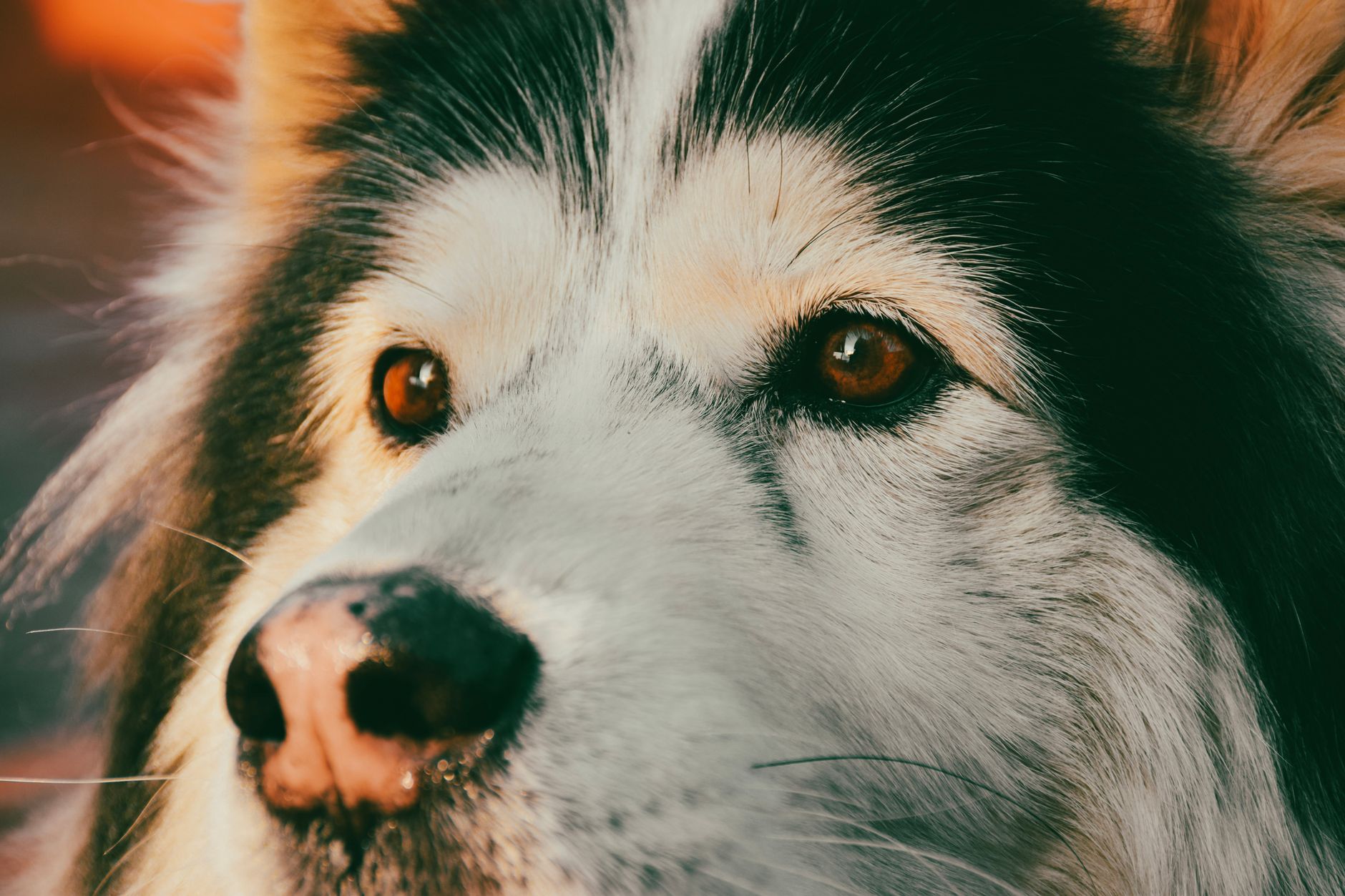
What is the GREY African clawed frog?
Is distilled water good for goldfish?
What colours are fish most attracted to?
Can you put your finger in a trout's mouth?
Visual Changes Associated with Blindness (That Aren’t True Color Changes)
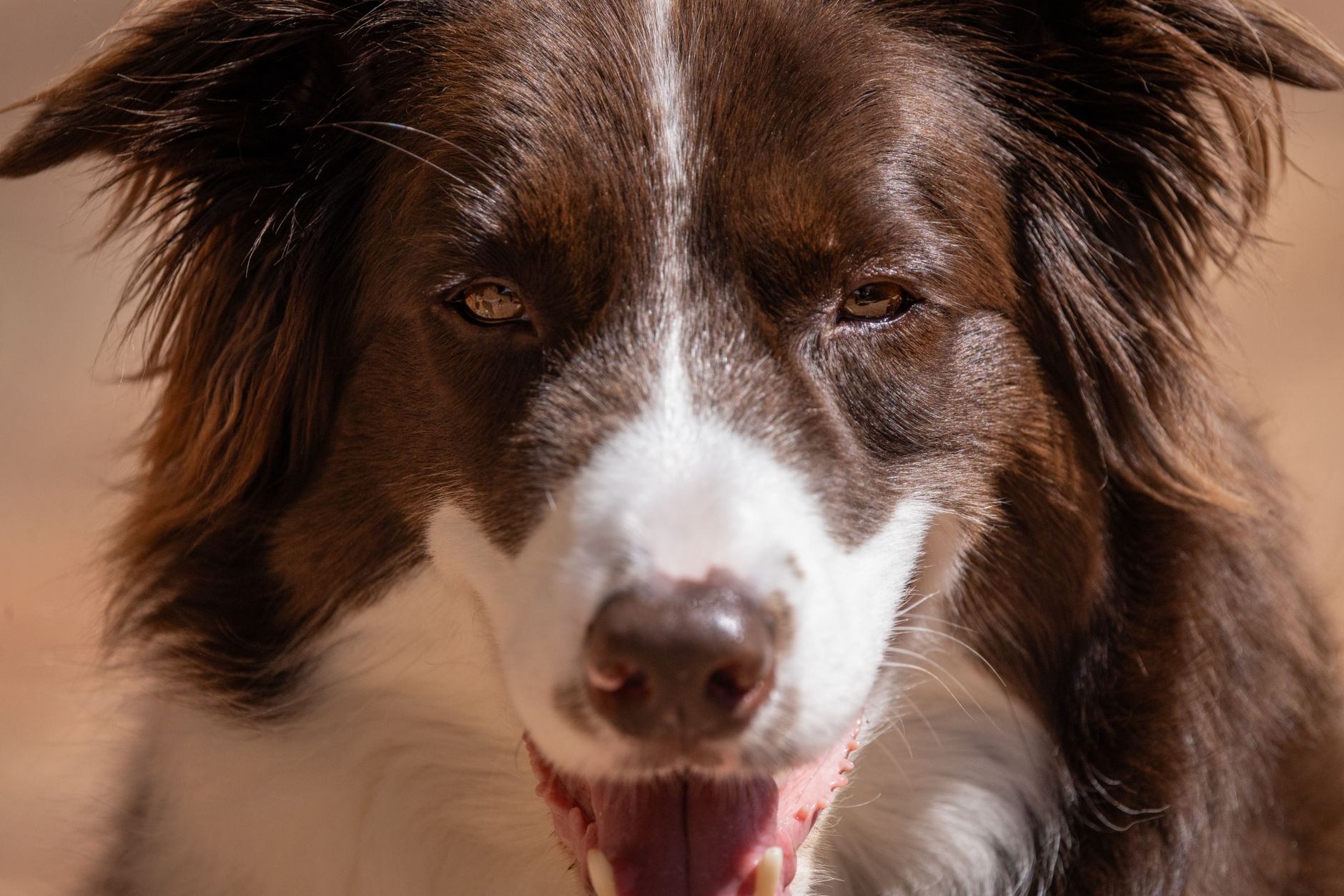
The question “Do dogs eyes change color when they go blind?” often arises because certain conditions affecting sight can alter the eye’s outward appearance, leading owners to believe the color itself has changed.
-
Lenticular Sclerosis (Nuclear Sclerosis): This age-related change causes the lens to become denser, appearing bluish-gray. It’s often mistaken for cataracts but usually doesn’t significantly impair vision. It creates a hazy appearance, not a true color alteration of the iris.
-
Cataracts: Cataracts cause the lens to become opaque, ranging from a milky haze to a solid white. While technically a change to the lens, this opacity can be perceived as a color change affecting the entire eye. The question “Do dogs eyes change color when they go blind?” is often prompted by the visual impact of cataracts.
-
Glaucoma: Glaucoma, particularly in advanced stages, can cause the eye to become enlarged and the cornea to appear cloudy or bluish. This is due to corneal edema (fluid buildup), giving the eye a different appearance, but not an iris color alteration.
-
Corneal Ulcers: Injuries to the cornea, sometimes related to underlying conditions that lead to blindness, can cause cloudiness or discoloration of the cornea itself. Again, while altering the eye’s overall look, this isn’t a true change in the iris color.
True Iris Color Changes: Separate from Blindness
While conditions related to blindness can affect the eye’s appearance, true changes in iris color are generally independent of vision loss. Several factors can lead to actual changes in the iris:
-
Genetics: Some dogs may experience slight variations in iris pigmentation over time, though dramatic changes are rare.
-
Uveitis: Inflammation inside the eye (uveitis) can sometimes lead to changes in iris color, usually darkening. However, uveitis has numerous causes (including infections and autoimmune diseases) and isn’t necessarily linked to blindness, although it can contribute to vision loss if untreated.
-
Age: In rare cases, very old dogs might experience subtle fading or changes in iris pigmentation.
| Condition | Vision Affected? | Apparent Color Change? | True Iris Color Change? |
|---|---|---|---|
| Lenticular Sclerosis | Usually Not | Bluish-gray haze on the lens | No |
| Cataracts | Yes | Milky white opacity on the lens | No |
| Glaucoma | Yes | Cloudy or bluish cornea, enlarged eye | No |
| Corneal Ulcers | Potentially | Cloudy or discolored cornea | No |
| Genetics | No | Slight variation in iris pigmentation over time | Yes (minor) |
| Uveitis | Potentially | Possible darkening of the iris | Yes (potentially) |
| Age | No | Rare subtle fading or changes in iris pigmentation | Yes (rare, minor) |
The Importance of Veterinary Examination
If you notice any changes in your dog’s eyes, including cloudiness, redness, enlargement, discharge, or perceived color changes, it’s crucial to consult a veterinarian immediately. Early diagnosis and treatment are essential for managing eye conditions and potentially preserving vision. While dog’s eyes generally don’t undergo color changes due to blindness, understanding possible causes of alterations is critical. A vet can determine the underlying cause and recommend the appropriate course of action.
Proactive Eye Care for Your Canine Companion
Regular eye exams are vital for maintaining your dog’s vision and overall health.
-
Schedule routine check-ups: Discuss eye health with your veterinarian during annual check-ups.
-
Monitor for early warning signs: Watch for signs like squinting, excessive tearing, rubbing the eyes, or changes in pupil size.
-
Consider genetic testing: For breeds prone to PRA and other inherited eye diseases, genetic testing can help identify carriers.
-
Provide a healthy diet: A balanced diet rich in antioxidants can support eye health.
Frequently Asked Questions (FAQs)
Do dog’s eyes physically change color when they go blind because of Progressive Retinal Atrophy (PRA)?
No, PRA itself does not directly cause the iris to change color. PRA is a degeneration of the retina. The outward appearance of the eye might subtly alter in later stages as the retina loses function, but this is not a change in the iris pigment. The core question “Do dogs eyes change color when they go blind?” remains negative.
What does it mean when my dog’s eyes are cloudy?
Cloudiness in a dog’s eyes can indicate several potential issues, most commonly lenticular sclerosis (nuclear sclerosis) or cataracts. Lenticular sclerosis is a normal age-related change, causing a bluish haze, whereas cataracts are a clouding of the lens impeding vision. Glaucoma and corneal issues can also cause cloudiness. It’s important to consult a veterinarian for diagnosis.
Are there certain dog breeds more prone to eye color changes?
No, there aren’t specific breeds genetically predisposed to changes in iris color separate from conditions affecting the eye’s health. Certain breeds are, however, more predisposed to specific conditions like PRA, cataracts, and glaucoma that can secondarily affect the appearance of the eyes.
My dog’s eyes seem to glow in the dark now that they’re blind. Is this related to color change?
The “glowing” effect, known as eyeshine, is due to the tapetum lucidum, a reflective layer behind the retina. This layer is normal. It doesn’t change when a dog becomes blind, but may appear more noticeable because the pupils are often more dilated in low light to compensate for vision loss, allowing more light to be reflected back. This increased dilation leads to the question “Do dogs eyes change color when they go blind?” being asked.
Can medications cause my dog’s eyes to change color?
While rare, certain medications can potentially affect the eyes and cause changes. Specifically, some steroids, particularly with long-term use, may increase the risk of cataract formation, leading to a cloudy appearance that may resemble a color change. Always discuss potential side effects with your vet.
Is it possible for a dog’s eyes to have different colors (heterochromia) and then one eye change color later in life?
Heterochromia (different colored eyes) is usually genetic and present from birth. True color changes in the iris after birth are less common. If a dog with heterochromia experiences a change in one eye’s appearance, it’s more likely due to a separate condition like uveitis or glaucoma, rather than the actual pigment changing.
What is the difference between lenticular sclerosis and cataracts?
Lenticular sclerosis is a normal age-related change causing a bluish-gray haze in the lens that usually doesn’t significantly affect vision. Cataracts are a clouding of the lens that impairs vision. While both can cause the eyes to appear different, cataracts progressively worsen vision, unlike lenticular sclerosis.
My dog’s blind and one eye seems bigger than the other. Is this related to eye color change?
A difference in eye size (anisocoria) can be a sign of underlying health problems, including glaucoma or Horner’s syndrome. While not directly related to iris color change, it can be associated with conditions that indirectly impact the eye’s appearance. Seek immediate veterinary attention.
Can diet influence my dog’s eye health and prevent color changes associated with vision loss?
A balanced diet rich in antioxidants can support overall eye health. Antioxidants like lutein and zeaxanthin may help protect against certain eye diseases. While diet can’t prevent all causes of vision loss or prevent age-related changes, it can contribute to maintaining eye health for longer.
How often should I get my dog’s eyes checked by a vet?
Adult dogs should have their eyes checked at least annually during their regular veterinary check-up. Senior dogs or dogs with pre-existing eye conditions may need more frequent exams, as recommended by your veterinarian.
What are the early warning signs of eye problems in dogs that I should look out for?
Early signs include: excessive tearing, squinting, rubbing or pawing at the eyes, redness, cloudiness, discharge, changes in pupil size or shape, bumping into objects, reluctance to go out at night, and any noticeable change in the appearance of the eyes.
Is there anything I can do at home to protect my dog’s eyes?
Keep your dog’s face clean and free of debris. Trim long hair around the eyes to prevent irritation. Avoid exposing your dog to excessive sunlight, which can increase the risk of certain eye conditions. If you notice any abnormalities, consult your veterinarian promptly. While home care is important, it cannot replace professional veterinary care.