

The Salty Truth: Do Corals Need High Salinity for Survival?
While corals thrive in saltwater environments, the idea that they absolutely need high salinity is a misconception. Corals have evolved to tolerate a specific range of salinity, and significant deviations can be detrimental to their health and survival.

Understanding Coral and Salinity
Salinity, the concentration of dissolved salts in water, is a critical environmental factor influencing the distribution and health of marine organisms, including corals. Ocean salinity typically ranges from 34 to 36 parts per thousand (ppt), but local conditions can cause significant variations. Understanding how corals respond to these variations is crucial for both conservation efforts and successful coral reef aquarium keeping.

Is distilled water good for goldfish?
What colours are fish most attracted to?
Can you put your finger in a trout's mouth?
Is methylene blue anti bacterial?
The Importance of Salinity for Coral Physiology
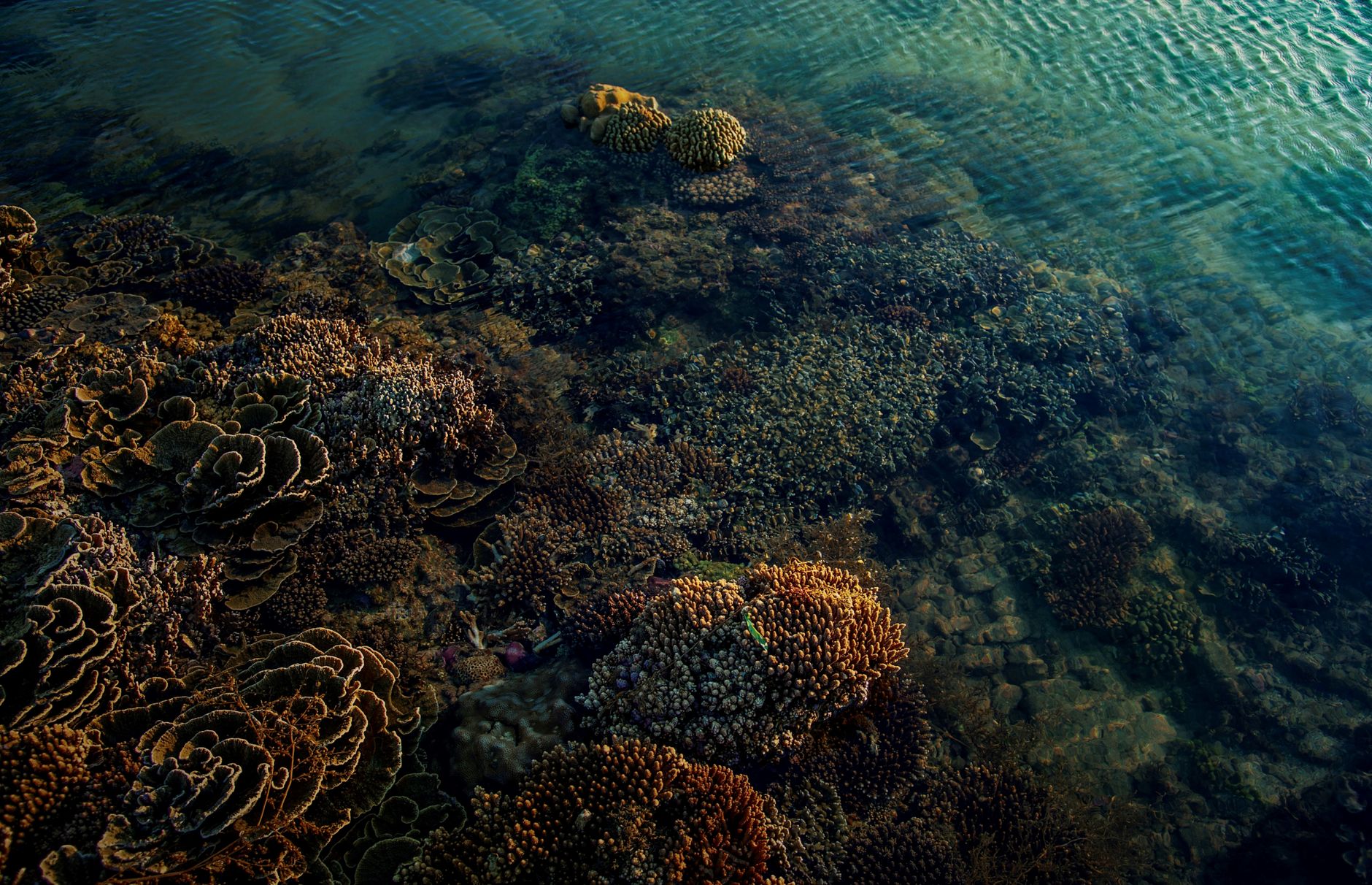
Salinity affects several key physiological processes in corals:
- Osmoregulation: Corals need to maintain a stable internal salt concentration, and salinity fluctuations make this more challenging, requiring them to expend more energy.
- Calcification: This is the process by which corals build their calcium carbonate skeletons. Salinity influences the solubility of calcium carbonate and the rate of calcification. Lower salinity can reduce calcification rates, weakening coral structures.
- Photosynthesis: Zooxanthellae, the symbiotic algae living within coral tissues, perform photosynthesis. Salinity stress can impact their photosynthetic efficiency, reducing the energy supply to the coral host.
- Nutrient Uptake: Corals rely on nutrient uptake from the surrounding water. Salinity can affect the availability and uptake of essential nutrients.
Optimal Salinity Range for Corals
While “high salinity” is not the key factor, stable salinity within an acceptable range is paramount.
- Most corals thrive in a salinity range of 34-36 ppt. This range is typical of open ocean environments.
- Some coral species are more tolerant of salinity fluctuations than others. For instance, corals in estuarine environments may be adapted to tolerate lower salinity levels.
- Sudden and drastic changes in salinity are far more detrimental than gradual changes, even if those changes fall within a tolerable range.
Factors Influencing Salinity in Coral Reefs
Salinity in coral reef environments is not static and can be influenced by several factors:
- Rainfall: Heavy rainfall can dilute seawater, leading to lower salinity in coastal areas and near river mouths.
- Evaporation: High evaporation rates, especially in shallow lagoons, can increase salinity.
- River runoff: Rivers discharge freshwater into the ocean, significantly reducing salinity in nearby reef environments.
- Ocean currents: Ocean currents can transport water masses with different salinity levels, impacting local reef environments.
The Impact of Low Salinity on Corals
Lower than optimal salinity can have several negative impacts on corals:
- Bleaching: Low salinity can stress corals, causing them to expel their zooxanthellae, leading to coral bleaching.
- Reduced Growth: As calcification rates decrease, coral growth slows down.
- Increased Susceptibility to Disease: Stressed corals are more vulnerable to diseases.
- Mortality: Prolonged exposure to low salinity can lead to coral death.
Common Mistakes in Coral Reef Aquariums Regarding Salinity
- Ignoring Salinity Monitoring: Failing to regularly monitor salinity levels in the aquarium.
- Rapid Salinity Changes: Making drastic salinity adjustments too quickly.
- Using Untreated Tap Water: Tap water often contains chlorine and other chemicals harmful to corals, and its salinity is usually much lower than that required.
- Inaccurate Hydrometers/Refractometers: Using poorly calibrated or inaccurate instruments to measure salinity.
Best Practices for Maintaining Salinity in Coral Reef Aquariums
- Regular Monitoring: Test salinity levels at least once a week using a calibrated refractometer.
- Slow Adjustments: Make salinity adjustments gradually, no more than 0.001 specific gravity per day.
- Use Reef-Safe Salt Mixes: Use high-quality salt mixes specifically designed for coral reef aquariums.
- RO/DI Water: Use reverse osmosis/deionized (RO/DI) water for all top-offs and water changes to ensure purity and consistent salinity.
Table: Salinity Levels and Their Effects on Corals
| Salinity (ppt) | Specific Gravity | Effects on Corals |
|---|---|---|
| < 30 | < 1.022 | Severe stress, bleaching, increased disease susceptibility, mortality |
| 30-33 | 1.022-1.024 | Stress, reduced growth, potential bleaching |
| 34-36 | 1.025-1.027 | Optimal range for most corals |
| 37-40 | 1.028-1.030 | Potential stress, reduced growth, especially in sensitive species |
| > 40 | > 1.030 | Severe stress, potential toxicity, mortality |
Frequently Asked Questions (FAQs)
Do Corals Need High Salinity?
No, corals do not necessarily need high salinity, but they require stable salinity within a specific range, typically between 34-36 ppt, for optimal health and survival.
What is the Best Way to Measure Salinity in a Reef Tank?
The best way to measure salinity is using a refractometer. Refractometers are more accurate than hydrometers and provide a direct reading of the specific gravity or salinity. Calibration with a standard solution is essential for accuracy.
What Happens If Salinity Is Too Low in a Coral Reef Aquarium?
Low salinity can lead to osmotic stress, causing corals to expend more energy regulating their internal salt balance. This stress can lead to bleaching, reduced growth, increased susceptibility to disease, and ultimately, mortality.
What Happens If Salinity Is Too High in a Coral Reef Aquarium?
High salinity can also cause stress, making it difficult for corals to regulate their internal salt balance. It can lead to dehydration, reduced growth, and toxicity from increased concentrations of certain ions.
How Often Should I Check the Salinity in My Reef Tank?
You should check the salinity in your reef tank at least once a week. More frequent monitoring is recommended if you have sensitive coral species or if you notice any signs of stress in your corals.
How Can I Increase the Salinity in My Reef Tank?
To increase salinity, slowly add saltwater mixed with RO/DI water to the tank. Avoid adding salt directly to the tank, as this can cause localized high salinity spikes. Monitor salinity levels closely and make adjustments gradually.
How Can I Decrease the Salinity in My Reef Tank?
To decrease salinity, remove some water from the tank and replace it with RO/DI water. Do this gradually over several days, monitoring salinity levels closely to avoid rapid changes.
Is It Safe to Use Tap Water for Topping Off My Reef Tank?
No, it is not safe to use tap water for topping off your reef tank. Tap water contains chlorine, chloramine, and other chemicals that can be harmful to corals and other reef inhabitants. Always use RO/DI water.
What Are Some Signs That My Corals Are Stressed Due to Salinity Issues?
Signs of salinity stress in corals include: bleaching (loss of color), polyp retraction, excessive mucus production, and slow or no growth.
Can Corals Adapt to Different Salinity Levels Over Time?
Yes, corals can acclimate to gradual changes in salinity over time. However, the extent of acclimation varies among species, and sudden, drastic changes are always detrimental.
Are There Any Corals That Prefer Lower Salinity Levels?
While most corals prefer a salinity of 34-36 ppt, some species found in estuarine environments may tolerate slightly lower salinity levels. However, even these species still require stable salinity within a tolerable range.
How Does Salinity Affect the Zooxanthellae in Coral Tissue?
Salinity fluctuations, especially low salinity, can negatively impact zooxanthellae by reducing their photosynthetic efficiency. This deprives the coral of essential nutrients and energy, leading to bleaching and other stress responses.