
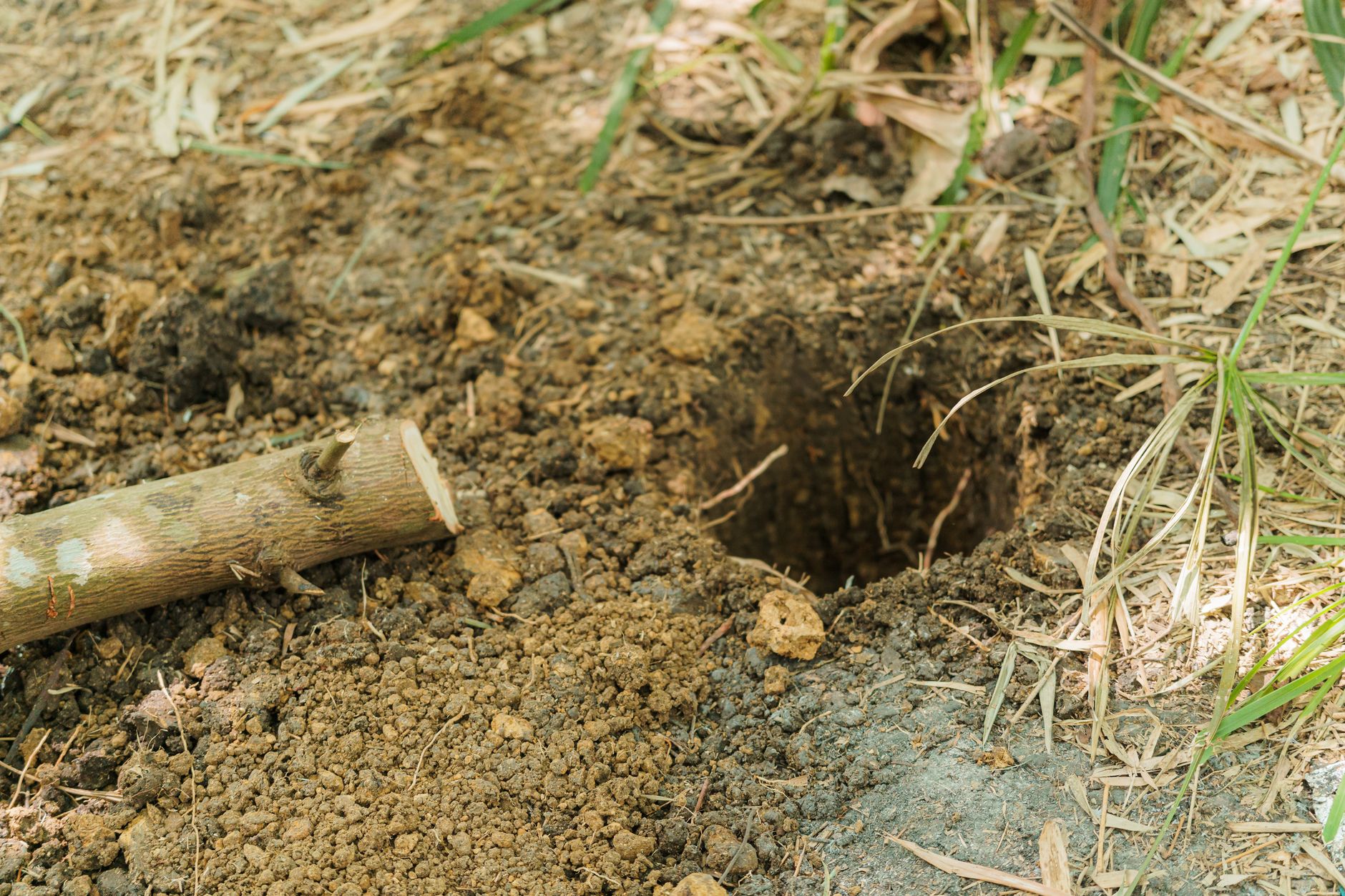
Do Chipmunks Dig Holes in Flower Pots? Unveiling the Truth
Yes, chipmunks frequently dig in flower pots, but it’s less about malicious intent and more about seeking food, shelter, or burying their treasures. Understanding their motivations can help you protect your potted plants and peacefully coexist with these charming, yet sometimes destructive, creatures.

Chipmunk Behavior: Why the Digging?
Chipmunks, those adorable, striped rodents, are a common sight in many gardens. While their cheek pouches and bushy tails endear them to us, their digging habits can be frustrating, especially when it involves our carefully cultivated flower pots. Do chipmunks dig holes in flower pots out of spite? Usually not. Several factors contribute to this behavior:
- Food Source: Flower pots often contain nutrient-rich soil or may be located near bird feeders or other food sources. Chipmunks are opportunistic eaters and will investigate any potential meal. They may be looking for seeds, bulbs, or even insects within the soil.
- Shelter and Nesting: A large flower pot can offer a secure and sheltered location for a chipmunk to rest or even build a temporary nest. The soil provides insulation and protection from the elements.
- Caching Behavior: Chipmunks are notorious for caching food for later consumption, especially in preparation for winter. They may use flower pots as convenient storage locations for their treasures.
- Curiosity and Exploration: Chipmunks are naturally curious and exploratory creatures. They investigate their surroundings, and a flower pot presents an interesting new environment to explore.
Identifying Chipmunk Damage

Knowing the signs of chipmunk activity can help you determine if they are the culprits behind the holes in your flower pots. Common signs include:
- Small, neat holes in the soil.
- Disturbed soil around the pot.
- Missing bulbs or seeds.
- Chipmunk sightings near the pot.
- Small piles of dirt or debris around the base of the pot.
It’s important to differentiate chipmunk damage from that caused by other animals, such as squirrels or voles. Chipmunk holes are typically smaller and neater than those created by larger rodents.
Protecting Your Flower Pots: Humane Solutions
Rather than resorting to harmful methods, there are several humane ways to deter chipmunks from digging in your flower pots:
- Physical Barriers: Cover the soil surface with wire mesh, rocks, or mulch to make it difficult for chipmunks to dig.
- Repellents: Use commercially available chipmunk repellents or create your own using natural ingredients such as cayenne pepper or garlic. Be sure to reapply repellents after rain.
- Plant Selection: Choose plants that are less attractive to chipmunks, such as daffodils, alliums, and fritillaries.
- Remove Food Sources: Eliminate potential food sources, such as bird feeders and spilled seeds, near your flower pots.
- Provide an Alternative: Offer chipmunks an alternative digging location away from your flower pots. This could be a designated area with loose soil and some scattered nuts or seeds.
- Relocation: As a last resort, consider trapping and relocating the chipmunks to a more suitable habitat. However, check local regulations regarding trapping and relocation.
Creating a Chipmunk-Unfriendly Environment
Beyond individual flower pot protection, creating an overall less attractive environment for chipmunks in your garden can be beneficial:
- Keep your yard tidy and free of debris, as this provides fewer hiding places for chipmunks.
- Trim shrubs and bushes to reduce cover.
- Consider fencing around your garden to deter chipmunks from entering.
- Encourage natural predators, such as cats or owls, to control the chipmunk population.
| Method | Effectiveness | Considerations |
|---|---|---|
| Wire Mesh | High | Can be unsightly; may need to be replaced periodically |
| Repellents | Moderate | Needs frequent reapplication; effectiveness may vary |
| Plant Selection | Moderate | Limited by desired plant types |
| Food Removal | High | Requires vigilance and consistent effort |
| Alternative Dig Site | Moderate | Might attract more chipmunks initially |
The Benefits (Sometimes!) of Chipmunk Activity
While chipmunk digging can be frustrating, it’s important to remember that they also play a role in the ecosystem.
- Seed Dispersal: Chipmunks help to disperse seeds, contributing to plant growth.
- Soil Aeration: Their digging can aerate the soil, improving drainage and nutrient availability.
- Pest Control: Chipmunks eat insects and other pests, helping to control their populations.
Instead of viewing chipmunks as solely destructive pests, consider them as part of the natural balance of your garden. With a little effort, you can protect your flower pots while still coexisting peacefully with these fascinating creatures.

Frequently Asked Questions (FAQs)
Will coffee grounds deter chipmunks from digging in my flower pots?
While some gardeners swear by coffee grounds as a deterrent, there’s limited scientific evidence to support this claim. The strong scent might temporarily repel chipmunks, but its effectiveness likely fades quickly. Regular application would be needed.
Are there specific smells that chipmunks hate?
Chipmunks are believed to dislike the scents of peppermint, garlic, and cayenne pepper. These smells can be incorporated into homemade repellents or purchased as commercial products.
Is it cruel to trap and relocate chipmunks?
Trapping and relocating chipmunks can be stressful for the animals. Relocated chipmunks often struggle to find food and shelter in their new environment and may not survive. Check local laws regarding trapping and relocation, as it may be prohibited in some areas.
Will mothballs keep chipmunks away from my flower pots?
The use of mothballs as a pest repellent is highly discouraged. Mothballs contain harmful chemicals that can contaminate the soil and pose a risk to humans, pets, and the environment. They are an ineffective and dangerous solution.
What kind of soil is most attractive to chipmunks for digging?
Chipmunks tend to prefer loose, well-drained soil that is easy to dig in. Soils rich in organic matter may also be more attractive to chipmunks, as they may contain insects or other food sources.
Are there any plants that naturally repel chipmunks?
While no plant is guaranteed to repel chipmunks completely, some are believed to be less attractive to them due to their scent or taste. These include daffodils, alliums (garlic and onions), fritillaries, and marigolds.
Do chipmunks hibernate in flower pots?
It is unlikely that chipmunks will hibernate inside flower pots, particularly smaller ones. While they may use larger pots for temporary shelter, they typically dig burrows in the ground for hibernation. These burrows provide better insulation and protection from the elements.
What time of year are chipmunks most active in digging flower pots?
Chipmunks are most active in the spring and fall, when they are either preparing for breeding season or gathering food for winter storage. This is when you are most likely to notice them digging in your flower pots.
Can I use chicken wire to protect my flower pots from chipmunks?
Yes, chicken wire can be an effective barrier to protect your flower pots. You can wrap the chicken wire around the pot or place it over the soil surface, ensuring it is securely anchored.
Is it possible to train chipmunks to stay away from my flower pots?
Training chipmunks is generally not a practical or effective solution. Chipmunks are wild animals with natural instincts that are difficult to override. It is better to focus on deterrents and habitat modification.
Do chipmunks carry diseases that can be transmitted to humans or pets?
Chipmunks can carry certain diseases, such as rabies, Lyme disease, and leptospirosis. However, the risk of transmission is relatively low. It is important to avoid direct contact with chipmunks and to take precautions to prevent ticks and fleas from biting you or your pets.
Will a scarecrow keep chipmunks away from my flower pots?
While a scarecrow might deter some birds, it is unlikely to be effective against chipmunks. Chipmunks are quickly able to recognize that a scarecrow is not a threat and will eventually ignore it.