

Why Are My Ducks Afraid of Me? Unveiling the Reasons Behind Frightened Fowl
Ducks might be afraid of you for a variety of reasons, most stemming from perceiving you as a potential predator or having had negative past experiences with humans. Understanding their inherent instincts and carefully adjusting your approach can help build trust and alleviate their fears.

Understanding Duck Behavior and Fear
Ducks, especially those not raised in close proximity to humans, possess a natural wariness. Their wild ancestors relied on constant vigilance to survive, and domesticated ducks retain many of these ingrained behaviors. Why are my ducks afraid of me? Often, it’s not personal; it’s simply instinct.
- Prey Animals: Ducks are inherently prey animals. This means their default reaction to any new or unfamiliar presence is to flee.
- Limited Vision: While ducks have excellent peripheral vision, their depth perception can be limited. This can make it difficult for them to accurately assess your intentions from a distance.
- Communication: Ducks communicate primarily through body language and vocalizations. Misinterpreting their signals or using overly assertive body language can easily trigger fear.
Identifying Potential Causes of Fear

Pinpointing the specific reason your ducks are afraid requires careful observation. Several factors can contribute to their fear response.
- Lack of Socialization: Ducks that haven’t been properly socialized with humans from a young age are more likely to be fearful. Early, positive interactions are crucial.
- Aggressive Handling: Any rough handling, chasing, or grabbing can create lasting fear and distrust.
- Loud Noises and Sudden Movements: Ducks are easily startled by loud noises, sudden movements, or unexpected changes in their environment.
- Presence of Predators: If your ducks have experienced a predator attack (real or perceived), they may be more sensitive to anything that resembles a threat. This includes you, especially if you move too quickly or make loud noises.
- Insufficient Space and Resources: Overcrowding, lack of access to clean water, or inadequate food can stress ducks, making them more prone to fear and anxiety.
- Dominance Hierarchy: Within a duck flock, there’s a pecking order. If you inadvertently disrupt this hierarchy, it can lead to stress and fear among the lower-ranking ducks.
Building Trust and Reducing Fear
Establishing a trusting relationship with your ducks takes time, patience, and consistency. Here are some strategies to consider:
- Approach Slowly and Quietly: Avoid sudden movements or loud noises when approaching your ducks. Speak in a soft, reassuring voice.
- Offer Treats: Providing treats like mealworms, peas, or chopped vegetables can create positive associations with your presence. Offer the treats from your hand to encourage them to approach you.
- Spend Time Observing: Simply spending time near your ducks without directly interacting with them can help them become accustomed to your presence.
- Respect Their Space: Avoid crowding or chasing your ducks. Allow them to approach you on their own terms.
- Be Consistent: Maintain a consistent routine for feeding, cleaning, and interacting with your ducks. Predictability can reduce anxiety.
- Positive Reinforcement: Reward calm and relaxed behavior with treats and praise. Avoid punishing or scolding your ducks.
- Proper Handling: If you need to handle a duck, do so gently and securely. Support their body weight and avoid squeezing them.
Common Mistakes to Avoid
Certain actions can unintentionally exacerbate your ducks’ fear. Avoid these common mistakes:
- Chasing or Cornering Ducks: This can trigger a panic response and create lasting fear.
- Making Loud Noises or Sudden Movements: Ducks are easily startled.
- Wearing Bright or Flashy Clothing: Unusual colors or patterns can frighten ducks.
- Staring Directly at Ducks: Direct eye contact can be interpreted as a threat.
- Forcing Interaction: Allow your ducks to approach you on their own terms.
The Importance of Early Socialization
Early socialization is critical in preventing fear and fostering a positive relationship with your ducks. If possible, handle ducklings frequently from a young age, providing gentle interaction and positive experiences.
- Gentle Handling: Handle ducklings gently and frequently, getting them accustomed to human touch.
- Positive Reinforcement: Offer treats and praise during handling sessions.
- Exposure to Different Environments: Gradually introduce ducklings to new environments and experiences.
- Socialization with Other Animals: If possible, socialize ducklings with other friendly animals, such as chickens or cats.
Environmental Factors
The environment in which your ducks live can significantly impact their stress levels and susceptibility to fear.
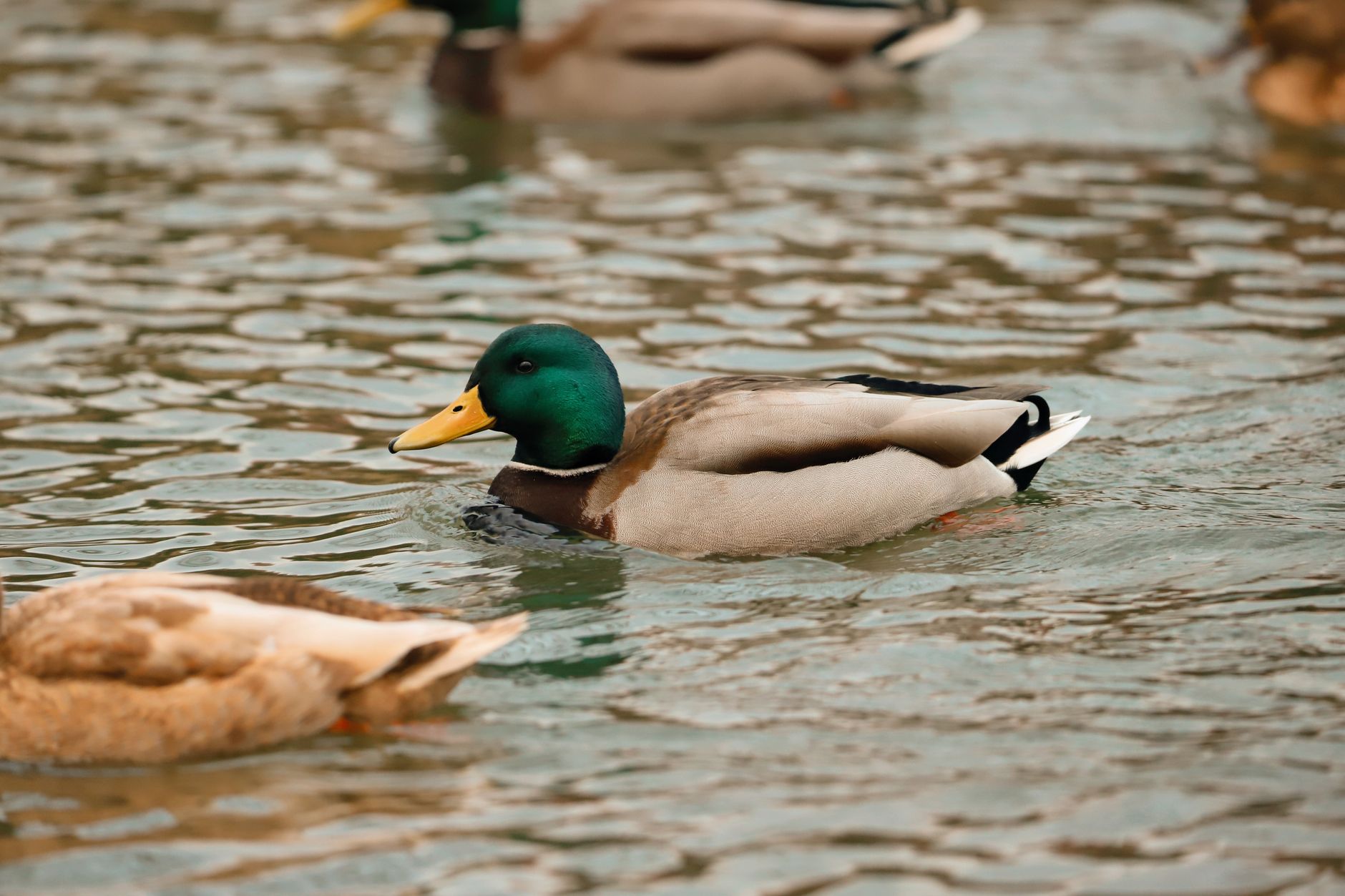
- Adequate Space: Ensure your ducks have enough space to roam, forage, and swim.
- Clean Water: Provide access to clean, fresh water for drinking and bathing.
- Shelter: Offer adequate shelter from the elements, including sun, rain, and wind.
- Predator Protection: Secure your ducks’ enclosure to protect them from predators such as foxes, raccoons, and hawks.
- Enrichment: Provide enrichment activities, such as foraging opportunities, toys, and social interaction.
Troubleshooting Fearful Behavior
If you’ve tried various strategies and your ducks are still afraid, consider the following troubleshooting steps:
- Review Your Approach: Evaluate your interactions with your ducks and identify any potential triggers for their fear.
- Consult a Veterinarian: Rule out any underlying health conditions that may be contributing to their fearfulness.
- Seek Expert Advice: Consult with a poultry expert or experienced duck owner for personalized advice.
- Patience and Persistence: Remember that building trust takes time and patience. Don’t give up!
Frequently Asked Questions (FAQs)
Why are my ducks afraid of me even when I bring them food?
Even if you’re the one providing food, your ducks might still associate you with past negative experiences or simply be wary of your approach. Try approaching them more slowly and quietly while offering treats. Toss the food near them initially, and gradually decrease the distance as they become more comfortable.
How long does it take for ducks to get used to humans?
The time it takes for ducks to get used to humans varies depending on their individual personalities, past experiences, and the consistency of your efforts to build trust. Some ducks may become comfortable in a matter of weeks, while others may take months.
Is it possible to completely eliminate fear in ducks?
While it may not be possible to completely eliminate fear, you can significantly reduce it by providing a safe, comfortable environment and consistently interacting with your ducks in a positive and gentle manner.
Are some duck breeds more fearful than others?
Yes, some duck breeds are generally more docile and friendly than others. For example, Pekin ducks are often considered to be relatively calm and easy to handle, while Muscovy ducks can be more independent and wary.
What should I do if my ducks are afraid of my children?
Teach your children to approach the ducks slowly and quietly, and to avoid chasing or grabbing them. Supervise their interactions closely and encourage them to offer treats. Emphasize the importance of respecting the ducks’ space.
Can loud noises from construction or traffic cause ducks to be afraid?
Absolutely. Loud noises can trigger a stress response in ducks, making them more fearful and anxious. If possible, provide them with a quiet and sheltered area during times of loud noise.
What role does the pond play in my ducks’ fear?
While a pond can provide a sense of security, a poorly maintained or contaminated pond can contribute to stress and fear. Ensure the water is clean and free of pollutants. Additionally, make sure predators can’t easily access the ducks while they’re on the water.
How can I tell if my duck is relaxed or fearful?
A relaxed duck will typically have smooth feathers, be actively foraging or preening, and may even nap in your presence. A fearful duck will be alert, tense, and may exhibit behaviors such as rapid breathing, wing flapping, or attempting to flee.
Can other pets in the household contribute to my ducks’ fear?
Yes, dogs and cats, especially those with a strong prey drive, can frighten ducks. Keep other pets away from your ducks or carefully supervise their interactions.
What kind of treats are best for building trust with ducks?
Ducks generally enjoy treats such as mealworms, peas, corn, and chopped vegetables. Offer these treats from your hand to encourage them to approach you. Avoid giving them bread, as it provides little nutritional value and can lead to health problems.
Why are my ducks suddenly afraid of me after being friendly for months?
A sudden change in behavior can indicate a recent traumatic event, such as a predator encounter or an illness. Carefully observe your ducks for any signs of injury or illness and consult a veterinarian if necessary. Review your behavior to identify any unintentional changes.
What if I adopted rescue ducks that are already very fearful?
Adopting rescue ducks requires extra patience and understanding. Provide them with a safe and secure environment, avoid forcing interaction, and gradually introduce yourself to them. Consider consulting with a duck rescue organization for guidance and support.