

Is Methylene Blue Stable in Water? Exploring its Properties and Longevity
Methylene blue is generally considered stable in water under specific conditions. However, its stability is affected by factors such as light exposure, pH, and the presence of reducing agents. This article delves into the intricacies of methylene blue’s behavior in aqueous solutions.

Understanding Methylene Blue: A Background
Methylene blue (MB) is a heterocyclic aromatic chemical compound with the molecular formula C16H18ClN3S. It has a rich history, initially synthesized in 1876 by Heinrich Caro. It’s been used in various applications, ranging from textile dyeing and biological staining to medical treatments. This broad applicability arises from its redox properties and ability to interact with biological systems.
Factors Affecting Methylene Blue Stability in Water
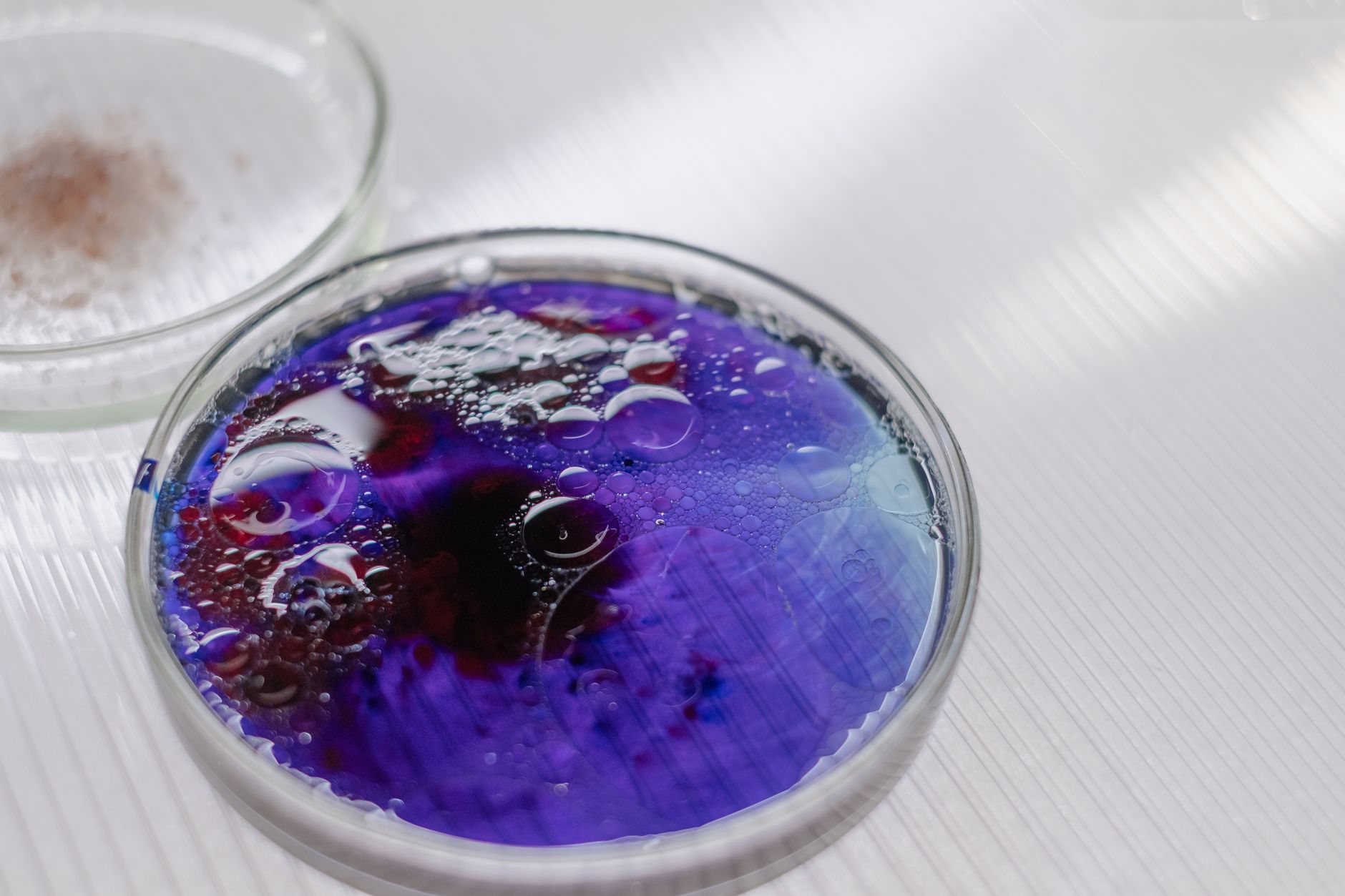
The question of Is methylene blue stable in water? is not a simple yes or no. Several factors play a critical role in its degradation and eventual decomposition. These include:
- Light Exposure: Methylene blue is photosensitive. Prolonged exposure to light, especially ultraviolet (UV) light, can lead to its degradation. Photodegradation involves the dye absorbing light energy and undergoing chemical changes, leading to a loss of its characteristic blue color and potency.
- pH: The pH of the solution influences the form of methylene blue present. In highly alkaline conditions, it can undergo degradation. The ideal pH range for stability is generally slightly acidic to neutral.
- Temperature: Elevated temperatures can accelerate the degradation process. While it’s relatively stable at room temperature, higher temperatures increase the rate of reactions that lead to its decomposition.
- Presence of Reducing Agents: Methylene blue is an oxidizing agent. The presence of reducing agents in the water will cause it to be reduced to leucomethylene blue, which is colorless.
- Contaminants: The presence of impurities or other chemicals in the water can interact with methylene blue, affecting its stability.
Testing Methylene Blue Stability in Aqueous Solutions
Determining the stability of methylene blue in water requires controlled experiments. These often involve:
- Preparing Solutions: Dissolve a known concentration of methylene blue in distilled or deionized water.
- Controlling Variables: Maintain constant temperature, light exposure, and pH.
- Monitoring Degradation: Use spectrophotometry to measure the absorbance of the solution at its characteristic wavelength (around 665 nm) over time. A decrease in absorbance indicates degradation.
- Data Analysis: Plot absorbance vs. time to determine the rate of degradation and half-life of the compound.
Practical Considerations for Methylene Blue Solutions
When working with methylene blue solutions, keep the following in mind:
- Storage: Store solutions in dark, airtight containers to minimize light exposure and oxidation.
- Temperature Control: Keep solutions at a stable, preferably cool temperature to slow down degradation.
- pH Monitoring: Maintain a slightly acidic to neutral pH to optimize stability.
- Water Quality: Use distilled or deionized water to prevent contamination.
Comparing Methylene Blue Stability to Other Dyes
| Feature | Methylene Blue | Other Dyes (e.g., Crystal Violet) |
|---|---|---|
| Light Sensitivity | Moderate to high | Variable, some more stable |
| pH Sensitivity | Sensitive to alkaline conditions | Variable |
| Redox Properties | Oxidizing agent | Variable |
| Common Uses | Staining, medication, redox indicator | Staining, indicators |
| Overall Stability | Good with proper storage and conditions | Dependent on the specific dye |
Frequently Asked Questions (FAQs)
What is the chemical formula of methylene blue?
The chemical formula of methylene blue is C16H18ClN3S. This formula represents the precise arrangement and quantity of carbon, hydrogen, chlorine, nitrogen, and sulfur atoms that comprise a single molecule of this versatile compound.
How long does methylene blue typically last in water?
Methylene blue’s longevity in water varies depending on storage conditions. Under ideal conditions (dark, cool, neutral pH), it can remain stable for several months. However, exposure to light and heat can significantly reduce its shelf life.
Can methylene blue be used in aquariums?
Yes, methylene blue is sometimes used in aquariums as an antifungal and antiparasitic treatment. However, it’s essential to use it cautiously and follow instructions carefully, as it can also affect beneficial bacteria in the aquarium.
What are the main degradation products of methylene blue?
When methylene blue degrades, it typically forms leucomethylene blue (the reduced form), along with other compounds resulting from the breakdown of the dye molecule. These degradation products are generally colorless.
Is methylene blue toxic?
Methylene blue can be toxic at high concentrations. It’s crucial to handle it with care and avoid ingestion or prolonged skin contact. Follow safety guidelines and use appropriate protective equipment.
How does light affect methylene blue’s stability?
Light, especially UV light, accelerates the photodegradation of methylene blue. This process involves the dye absorbing light energy and undergoing chemical changes, leading to its decomposition. Storing it in dark containers is critical.
Does the concentration of methylene blue affect its stability?
While concentration doesn’t directly change the degradation process, higher concentrations may exhibit slightly different degradation kinetics due to potential self-association of the dye molecules. However, the fundamental stability principles remain the same.
How should methylene blue solutions be stored to maximize stability?
To maximize stability, methylene blue solutions should be stored in dark, airtight containers at a cool temperature. Maintaining a slightly acidic to neutral pH is also beneficial.
Can methylene blue stain surfaces?
Yes, methylene blue is a potent dye and can easily stain surfaces, including skin, clothing, and laboratory equipment. Handle it with care and wear gloves to prevent staining.
What is leucomethylene blue?
Leucomethylene blue is the reduced form of methylene blue. It is colorless and formed when methylene blue gains electrons (is reduced). This reduction can occur in the presence of reducing agents or during certain biological reactions.
Is methylene blue stable in distilled water versus tap water?
Methylene blue is generally more stable in distilled or deionized water compared to tap water. This is because tap water often contains impurities and minerals that can interact with methylene blue and accelerate its degradation.
What are some common uses for methylene blue?
Methylene blue has diverse applications, including:
- Medical Treatment: Treating methemoglobinemia.
- Biological Staining: Staining cells and tissues for microscopy.
- Redox Indicator: Indicating the presence of oxidizing or reducing agents.
- Aquarium Treatment: Treating fungal and parasitic infections in fish.
- Textile Dyeing: Dyeing fabrics.