
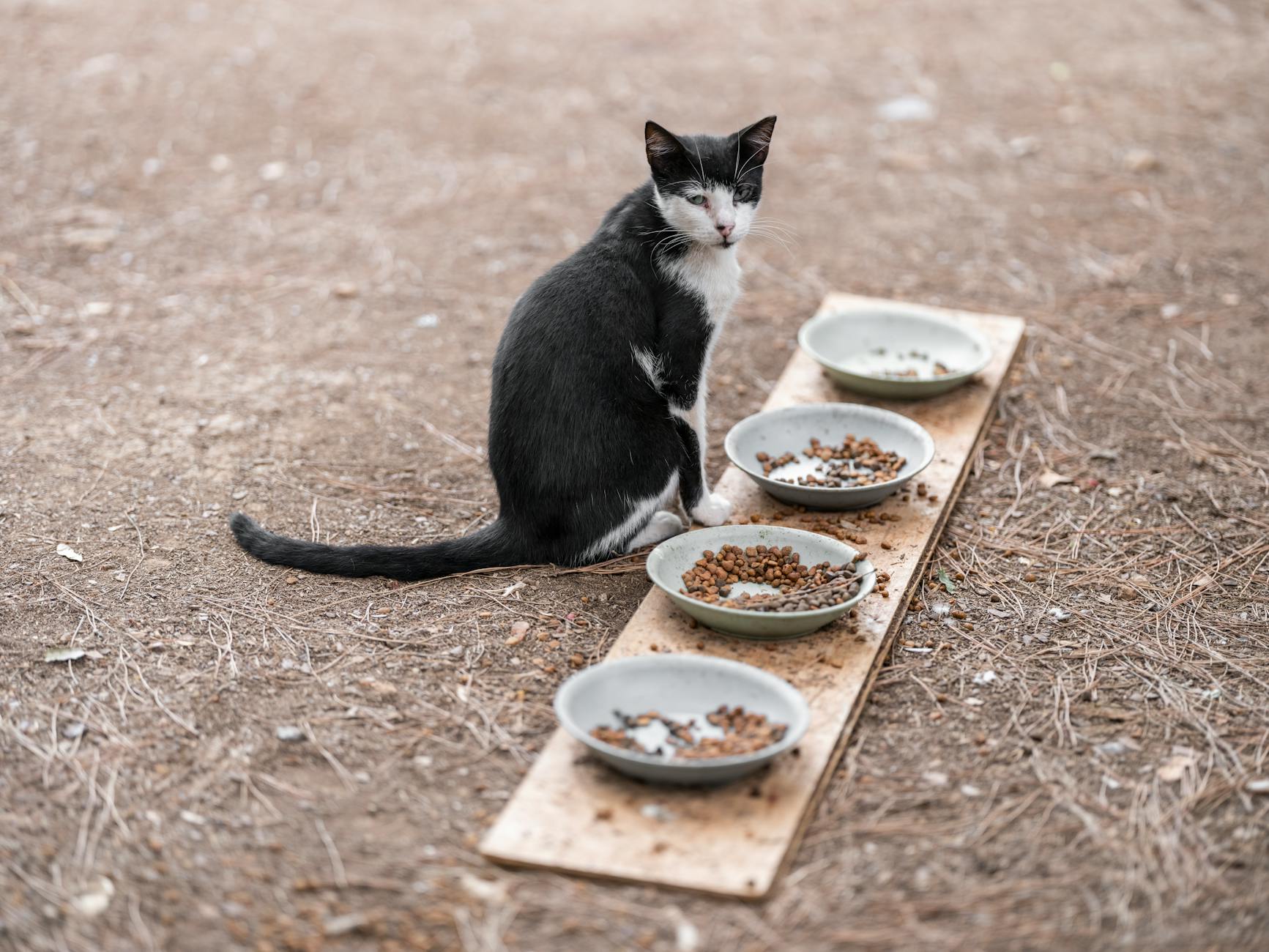
Why Do Cats Stop Eating Wet Food? Understanding Feline Food Preferences
Do cats stop eating wet food? Sometimes, yes. While many cats adore wet food, it’s not uncommon for them to suddenly refuse it, though this doesn’t necessarily mean they’ve completely stopped liking it. Identifying the reason behind this change is crucial to ensuring your cat remains healthy and well-nourished.

Introduction: The Enigmatic World of Feline Palates
Cats are notoriously picky eaters, and their food preferences can change seemingly overnight. Wet food, also known as canned food, is often a staple in a feline diet, providing essential moisture and nutrients. When a cat that once relished wet food suddenly turns its nose up at it, it can be concerning for pet owners. Understanding the potential reasons behind this behavior is the first step towards resolving the issue and ensuring your cat continues to receive adequate nutrition. The question of Do cats stop eating wet food? often leads to a process of detective work for cat owners.

Is distilled water good for goldfish?
What colours are fish most attracted to?
Can you put your finger in a trout's mouth?
Is methylene blue anti bacterial?
The Benefits of Wet Food for Cats

Wet food offers several advantages for cats, making it a valuable component of their diet:
- Hydration: Wet food has a high moisture content, helping to keep cats hydrated, which is especially important for cats prone to urinary issues or those who don’t drink enough water.
- Palatability: Many cats find wet food more palatable than dry kibble due to its aroma and texture.
- Nutritional Value: Wet food often contains a higher proportion of protein and fewer carbohydrates than dry food, aligning with a cat’s natural dietary needs.
- Dental Health: While dry food is often touted for dental benefits, the increased moisture in wet food can help dilute oral bacteria and reduce the risk of dental problems.
Reasons Why Cats May Refuse Wet Food
Several factors can contribute to a cat’s sudden aversion to wet food:
- Medical Issues: Dental problems, kidney disease, upper respiratory infections, and gastrointestinal issues can all affect a cat’s appetite and willingness to eat wet food. A veterinary check-up is essential to rule out underlying health conditions.
- Food Spoilage: Wet food spoils quickly once opened. If left out for too long, it can become unpalatable and even harmful to your cat.
- Change in Food: Introducing a new brand or flavor of wet food can be met with resistance. Cats are creatures of habit and may be hesitant to try something different.
- Environmental Factors: Stress, changes in the household, or competition from other pets can all affect a cat’s eating habits.
- Food Texture: Some cats are particularly sensitive to the texture of their food and may dislike certain consistencies.
- Bowl Placement: Bowls placed near litter boxes or in high-traffic areas can deter a cat from eating.
Strategies to Encourage Wet Food Consumption
If your cat has stopped eating wet food, here are some strategies to try:
- Rule out Medical Issues: Schedule a vet visit to address any potential health problems.
- Serve Fresh Food: Offer fresh wet food at each meal and discard any leftovers after a short period (usually 20-30 minutes).
- Warm the Food: Heating wet food slightly can enhance its aroma and make it more appealing.
- Try Different Flavors and Textures: Experiment with different brands, flavors, and textures to find something your cat enjoys.
- Mix Wet and Dry Food: Gradually introduce wet food by mixing it with your cat’s favorite dry kibble.
- Elevated Bowls: Some cats prefer eating from elevated bowls, which can improve digestion and reduce neck strain.
- Stress Reduction: Minimize stress in the household and provide a calm, quiet eating environment.
- Hand Feeding: Offer small amounts of wet food from your hand to encourage your cat to eat.
Common Mistakes to Avoid
- Forcing Food: Never force your cat to eat, as this can create a negative association with food.
- Leaving Food Out Too Long: Wet food should not be left out for extended periods due to the risk of spoilage.
- Ignoring Medical Issues: Addressing underlying health problems is crucial for restoring your cat’s appetite.
- Abruptly Changing Food: Always transition to new foods gradually to avoid digestive upset.
The Role of Age and Health Conditions
As cats age, their dietary needs and preferences may change. Senior cats often have reduced appetites and may require softer, more palatable food. Specific health conditions, such as kidney disease or dental problems, can also significantly impact a cat’s ability or desire to eat wet food. Understanding these age-related and health-related factors is essential for providing appropriate care.
Monitoring Your Cat’s Weight and Appetite
Regularly monitoring your cat’s weight and appetite is crucial for detecting any changes that may indicate a problem. If your cat is losing weight or consistently refusing food, it’s essential to consult with your veterinarian promptly. Early detection and intervention can significantly improve your cat’s health and well-being. Understanding when Do cats stop eating wet food? and when it’s a cause for concern requires vigilant monitoring.
Frequently Asked Questions (FAQs)
Why does my cat only lick the gravy off the wet food and leave the rest?
Some cats are extremely selective eaters and may be drawn to the gravy due to its high fat content and appealing aroma. Try mashing the food thoroughly to mix the gravy with the solid portions, or consider switching to a pate-style wet food that has a more uniform consistency. You may also want to explore different flavors or brands, as the gravy recipe can vary.
Is it okay to only feed my cat dry food if they refuse wet food?
While cats can survive on dry food alone, it’s not ideal due to the lower moisture content. Consider other ways to increase your cat’s water intake, such as providing multiple water sources or using a cat water fountain. However, it’s worth continuing to explore options to incorporate wet food, or even cooked meat, into their diet.
Can a cat suddenly develop an allergy to wet food they’ve been eating for years?
Yes, it’s possible for cats to develop allergies or sensitivities to ingredients in their food at any point in their lives. Common allergens include beef, fish, chicken, and dairy. If you suspect an allergy, talk to your vet about an elimination diet to identify the culprit.
How long can I leave wet food out for my cat to eat?
Wet food should not be left out for more than 20-30 minutes at room temperature. Bacteria can grow rapidly, making the food unsafe for your cat to eat. Discard any uneaten portion after this time.
My cat used to love a certain flavor of wet food, but now refuses it. Why?
Cats can be fickle eaters, and their preferences can change over time. It’s possible they’ve simply become bored with that particular flavor. Try introducing a new flavor or brand to see if they are more receptive. It’s also possible the recipe changed slightly.
Is it normal for older cats to eat less wet food?
As cats age, their metabolism slows down, and they may require fewer calories. They may also experience a decline in their sense of smell or taste, making food less appealing. Senior cats may also have dental problems that make eating wet food difficult. Softer, pate-style wet food might be better received.
Could my cat’s medication be affecting their appetite for wet food?
Yes, some medications can cause a loss of appetite or nausea in cats. If your cat is taking medication and has stopped eating wet food, discuss this with your veterinarian to see if there are alternative medications or ways to manage the side effects.
How do I transition my cat to a new brand of wet food if they are picky?
Introduce the new food gradually by mixing it with your cat’s current food. Start with a small amount of the new food and gradually increase the proportion over several days or weeks. This will help prevent digestive upset and allow your cat to adjust to the new flavor and texture.
Why does my cat only eat wet food when I’m watching them?
This behavior can be due to a number of factors, including anxiety, territorial issues, or simply a desire for attention and interaction. Try creating a calm and quiet eating environment for your cat and spend a few minutes petting them or talking to them while they eat.
Can dental problems cause a cat to stop eating wet food?
Absolutely. Dental disease is extremely common in cats and can cause significant pain and discomfort, making it difficult to eat. Even slight inflammation in the gums can make them reluctant to eat, especially wet food that requires chewing. A dental check-up is crucial to rule out dental problems.
My cat is vomiting after eating wet food. What should I do?
Vomiting after eating wet food can be a sign of food intolerance, allergies, or a more serious underlying medical condition. Stop feeding your cat wet food immediately and consult with your veterinarian. They may recommend diagnostic tests to determine the cause of the vomiting.
Is it possible my cat is just bored with their food and needs more variety?
Absolutely! Cats can get bored of eating the same food every day, just like humans. Offering a variety of flavors, textures, and brands of wet food can help keep your cat interested in their meals. Consider rotating between different flavors each week to prevent boredom. Understanding the nuances of Do cats stop eating wet food? requires thinking beyond just one explanation.