
Do Cats Care About a Clean House? A Feline Perspective
Do cats care about a clean house? Not in the way humans do, focusing on spotless surfaces and pristine order. However, a clean environment is essential for a cat’s health and well-being, playing a crucial role in their comfort, safety, and overall happiness.

The Myth of Feline Fastidiousness: Beyond the Litter Box
The common perception of cats as meticulously clean animals often leads people to believe they would appreciate a human-level of cleanliness in their homes. While cats are indeed self-groomers, spending a significant portion of their day meticulously cleaning themselves, their perception of “clean” differs drastically from ours. What we perceive as a messy house, a cat might simply see as their territory, enriched with familiar scents. Understanding this distinction is key to providing a genuinely comfortable and healthy environment for your feline companion.

What is the GREY African clawed frog?
Is distilled water good for goldfish?
What colours are fish most attracted to?
Can you put your finger in a trout's mouth?
Scent, Territory, and Feline Cleanliness Standards
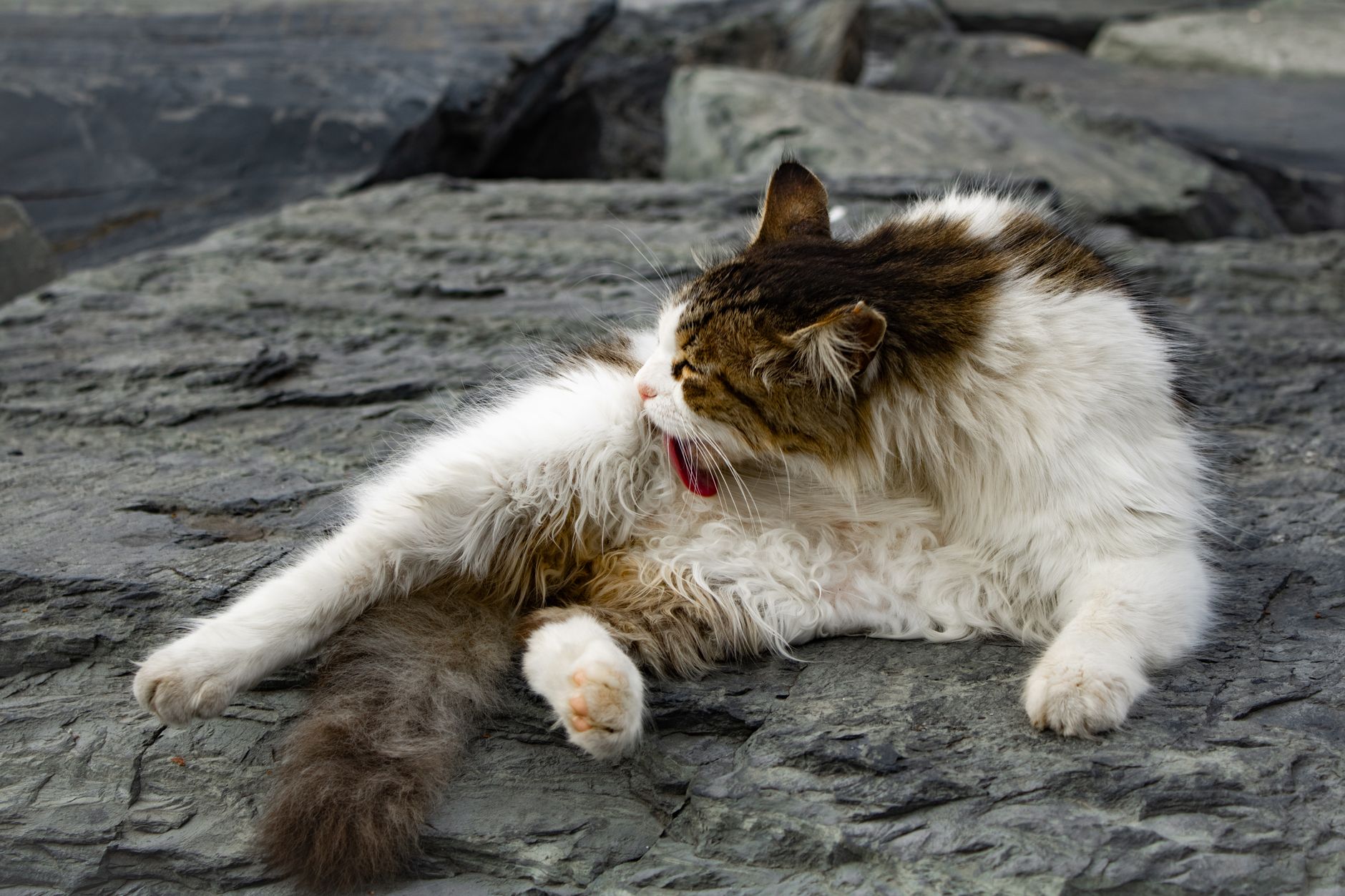
For cats, the world is experienced primarily through scent. Their sense of smell is far superior to ours, and they use it to navigate their environment, identify other cats, and mark their territory. A ‘clean’ house, in the human sense, often means the removal of these familiar and reassuring scents. Constant use of strong-smelling cleaning products can actually be stressful for cats, as it disrupts their established scent markings and makes them feel insecure.
- Scent Marking: Cats use scent glands in their cheeks, paws, and flanks to mark their territory. These scents are subtle to humans but crucial for feline communication and security.
- Disruptive Cleanliness: Over-zealous cleaning removes these scents, potentially leading to anxiety and increased marking behavior, such as spraying or scratching.
- Prioritize Cat-Specific Cleaning: Focus on cleaning areas directly related to your cat’s health and hygiene, such as the litter box and food/water bowls.
The Importance of Litter Box Hygiene
While cats might not care about a dust-free coffee table, they are extremely particular about their litter box. A clean litter box is paramount to a cat’s well-being. Cats can develop urinary tract issues and other health problems if they are forced to use a dirty or unpleasant litter box.
- Daily Scooping: Remove solid waste and clumps at least once a day.
- Regular Cleaning: Thoroughly clean the litter box with mild soap and water (avoid harsh chemicals) every 1-2 weeks.
- Proper Litter Type: Choose a litter type that your cat prefers. Experiment with different types until you find one that they readily use.
How Cleanliness Impacts Feline Health
A clean environment is essential for preventing the spread of disease and parasites in your cat. Regular cleaning of food and water bowls prevents bacterial growth, while vacuuming and dusting can help reduce allergens and dust mites that can trigger respiratory problems.
| Aspect of Cleanliness | Benefit to Cat’s Health |
|---|---|
| Litter Box Hygiene | Prevents urinary tract infections and promotes proper elimination |
| Food and Water Bowl Cleanliness | Reduces bacterial growth and foodborne illnesses |
| Regular Vacuuming | Reduces allergens and dust mites, improving respiratory health |
| Flea and Tick Control | Prevents parasite infestations and associated diseases |
Creating a Cat-Friendly Cleaning Routine
Instead of striving for human-level cleanliness, focus on creating a cleaning routine that prioritizes your cat’s health and well-being without causing them unnecessary stress.
- Use Cat-Safe Cleaning Products: Avoid harsh chemicals, bleach, and ammonia-based cleaners. Opt for natural or enzyme-based cleaners specifically designed for pets.
- Clean Gradually: Avoid overwhelming your cat with strong smells. Clean one area at a time, allowing them to adjust to the changes.
- Maintain a Regular Schedule: Establish a consistent cleaning routine so your cat can anticipate when cleaning will occur and feel more secure.
Frequently Asked Questions (FAQs)
Is it true that cats are naturally clean animals?
Yes, cats are known for their meticulous self-grooming habits. They spend a significant portion of their day cleaning themselves, which helps to remove dirt, parasites, and loose fur. This contributes to their overall cleanliness, but it doesn’t necessarily translate to a preference for a spotless house.
What cleaning products are dangerous for cats?
Many common household cleaning products contain chemicals that are toxic to cats. Bleach, ammonia, phenols, and glycol ethers are particularly dangerous. Always choose cat-safe cleaning products that are specifically designed for pets.
How often should I clean my cat’s litter box?
You should scoop your cat’s litter box at least once a day, ideally twice. A thorough cleaning with soap and water should be done every 1-2 weeks. This helps to prevent the buildup of bacteria and odors, encouraging your cat to use the litter box consistently.
My cat sprays urine. Is this because my house isn’t clean enough?
Spraying is often a territorial behavior in cats, not necessarily related to cleanliness. It can be triggered by stress, changes in the environment, or the presence of other cats. While a clean litter box is important, addressing the underlying cause of the spraying is crucial. Consult with your veterinarian to rule out any medical issues and to discuss behavioral modification strategies.
Should I vacuum my house more often if I have a cat?
Yes, regular vacuuming is highly recommended when you have a cat. It helps to remove cat hair, dander, and allergens from carpets, upholstery, and other surfaces. This can improve air quality and reduce allergy symptoms for both you and your cat.
My cat seems stressed when I clean. What can I do?
Cats can be sensitive to changes in their environment. When cleaning, try to minimize the disruption to your cat’s routine. Clean one area at a time, and provide them with a safe and comfortable space to retreat to during the cleaning process. Consider using calming pheromone diffusers to reduce stress.
Does a clean house help prevent fleas?
Yes, a clean house can help prevent flea infestations. Regular vacuuming and washing of bedding can help to remove flea eggs and larvae from the environment. However, it’s also important to use flea preventative medication on your cat, as recommended by your veterinarian.
Can I use essential oils to clean my house if I have a cat?
Many essential oils are toxic to cats. Tea tree oil, peppermint oil, citrus oils, and pine oil are particularly dangerous. Avoid using essential oils around your cat, and never apply them directly to their skin or fur.
My cat is suddenly avoiding their litter box. Could cleanliness be the problem?
Yes, a dirty litter box is a common reason why cats avoid using it. Ensure that you are scooping the litter box regularly and cleaning it thoroughly on a weekly basis. Also, consider the type of litter you are using. Your cat may have developed a preference for a different type of litter. A vet visit is warranted to rule out underlying medical conditions.
Is it okay to use scented litter for my cat?
While some cats tolerate scented litter, others may find it offensive or irritating. Strong scents can deter them from using the litter box. It’s best to opt for unscented litter and focus on maintaining a clean litter box to control odors.
My cat sheds a lot. What’s the best way to keep my house clean?
Regular grooming is the best way to manage cat shedding. Brush your cat daily to remove loose fur before it ends up on your furniture and floors. Additionally, invest in a good vacuum cleaner with a HEPA filter to effectively remove cat hair and dander.
What are some cat-safe alternatives to common cleaning products?
Many natural cleaning products are safe for cats. Vinegar diluted with water can be used to clean surfaces, and baking soda can be used to absorb odors. You can also find enzyme-based cleaners specifically designed for pet owners. Always test any cleaning product in a small, inconspicuous area first to ensure that it doesn’t damage the surface.