
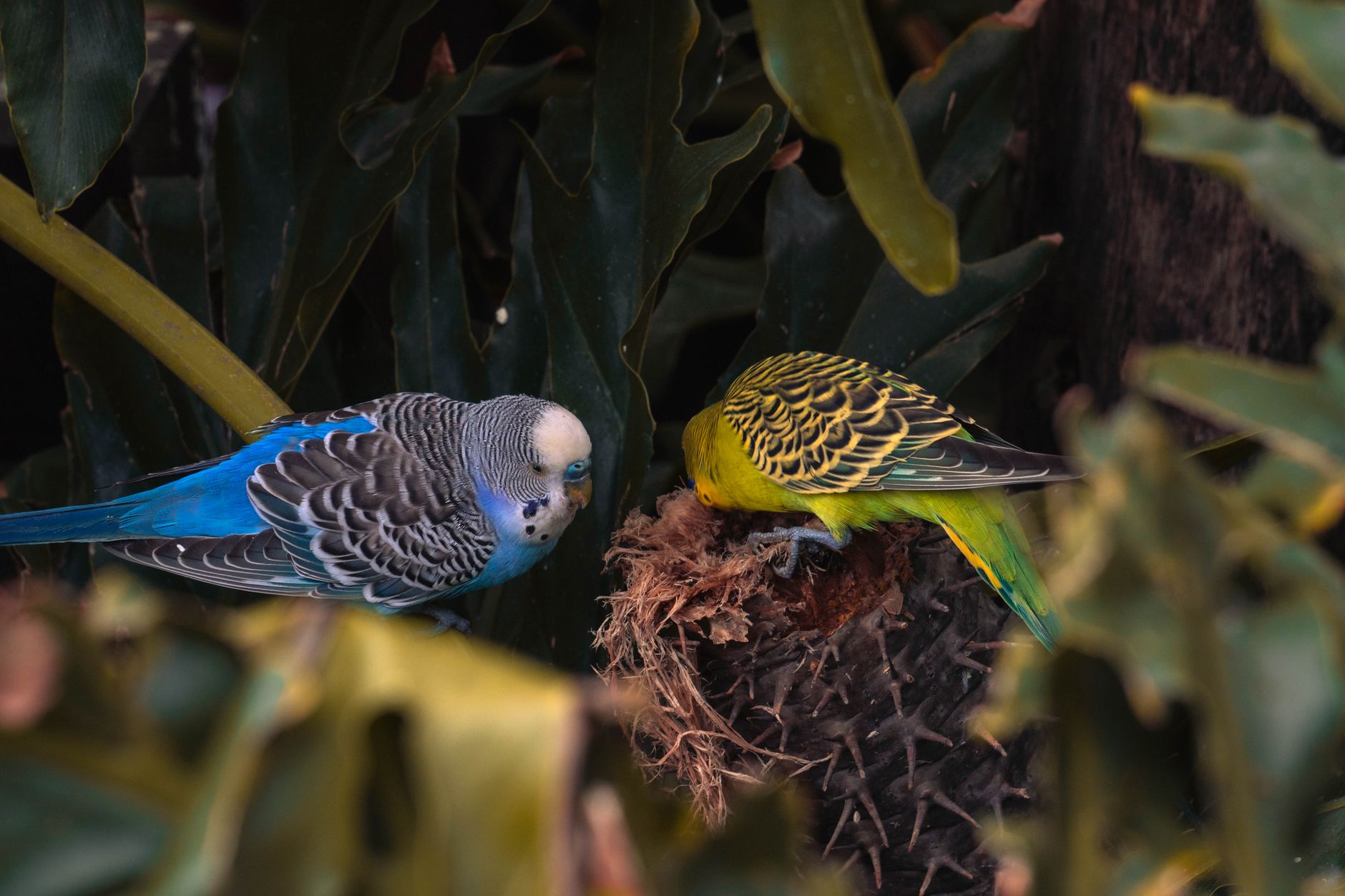
Do Budgies Need to Be in Pairs? Unveiling the Social Needs of Our Feathered Friends
Do budgies need to be in pairs? The simple answer is often yes; while budgies can survive alone, they are highly social creatures that thrive on companionship, and providing a feathered friend greatly enhances their well-being.
Understanding the Budgie’s Social Nature
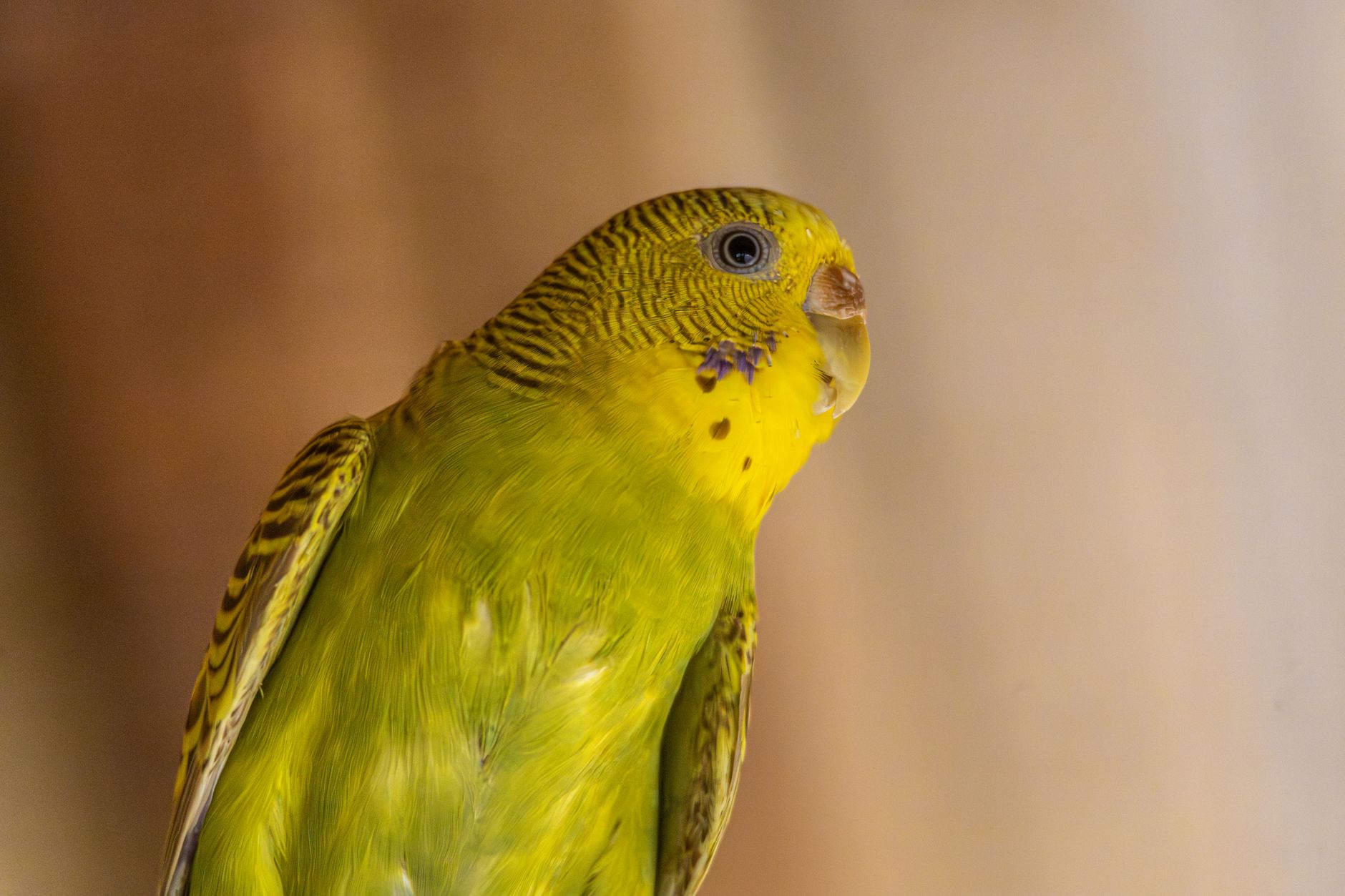
Budgies, also known as parakeets, are native to Australia and live in large flocks in the wild. This instinctual social behavior is deeply ingrained, and even in a domestic setting, they crave interaction and companionship. Depriving a budgie of this crucial need can lead to loneliness, stress, and a range of behavioral issues.

Is distilled water good for goldfish?
What colours are fish most attracted to?
Can you put your finger in a trout's mouth?
Is methylene blue anti bacterial?
The Benefits of Pair-Bonding for Budgies
Keeping budgies in pairs (or even larger groups) offers several significant advantages:
- Reduced Loneliness and Boredom: Companionship alleviates the boredom and loneliness that single budgies often experience.
- Increased Activity and Play: Paired budgies engage in playful interactions, promoting physical and mental stimulation.
- Natural Behaviors: They exhibit more natural behaviors, such as preening, mutual feeding, and chirping, which are crucial for their emotional well-being.
- Improved Vocalization: Budgies often learn and develop their vocalizations by mimicking each other.
- Enhanced Overall Health: A happy budgie is generally a healthier budgie. Pair-bonding reduces stress, boosting their immune system.
Factors to Consider Before Getting a Second Budgie
While pairing budgies is generally beneficial, there are factors to consider:
- Cage Size: Ensure your cage is large enough to comfortably accommodate two (or more) budgies. A cramped environment can lead to aggression and stress. As a general rule, a cage should be at least 20x12x18 inches for a single budgie, with significantly more space needed for multiple birds.
- Individual Temperaments: While most budgies get along, individual personalities can sometimes clash. Observe your budgies carefully after introducing a new bird. Provide multiple feeding stations and perches to minimize conflict.
- Quarantine: Always quarantine a new budgie for at least 30 days to prevent the spread of diseases to your existing bird.
- Sex of Budgies: Same-sex pairs can thrive, but be aware that female budgies can sometimes become territorial. Male-male pairs are often easier to manage. A male-female pair may lead to breeding, so ensure you’re prepared for that responsibility.
- Introduction Process: Introduce new budgies gradually. Start by placing their cages near each other to allow them to acclimate to each other’s presence before introducing them directly into the same cage.
Alternatives to a Second Budgie
If you cannot provide a second budgie, it’s crucial to dedicate significant time and attention to your single bird. This includes:
- Daily Interaction: Spend at least 30-60 minutes interacting with your budgie each day through talking, playing, or training.
- Enrichment: Provide a variety of toys, such as swings, ladders, bells, and shredding toys, to keep your budgie mentally stimulated.
- Visual Stimulation: Place the cage in a location where your budgie can see activity, such as near a window (but avoid direct sunlight).
- Auditory Stimulation: Play music or talk radio when you’re not around to provide auditory stimulation.
Recognizing Signs of Loneliness in Budgies
It’s important to be able to recognize signs of loneliness or depression in your budgie. These can include:
- Feather Plucking: Excessive preening or feather plucking can be a sign of stress or boredom.
- Lethargy: A lack of energy or interest in activities.
- Changes in Appetite: A decrease or increase in food consumption.
- Excessive Screaming: Constant, repetitive screaming can be a sign of distress.
- Changes in Vocalization: A lack of vocalization or unusual vocalizations.
If you observe these signs, consult with an avian veterinarian to rule out any underlying medical conditions.
Why Some People Think Single Budgies Are Better
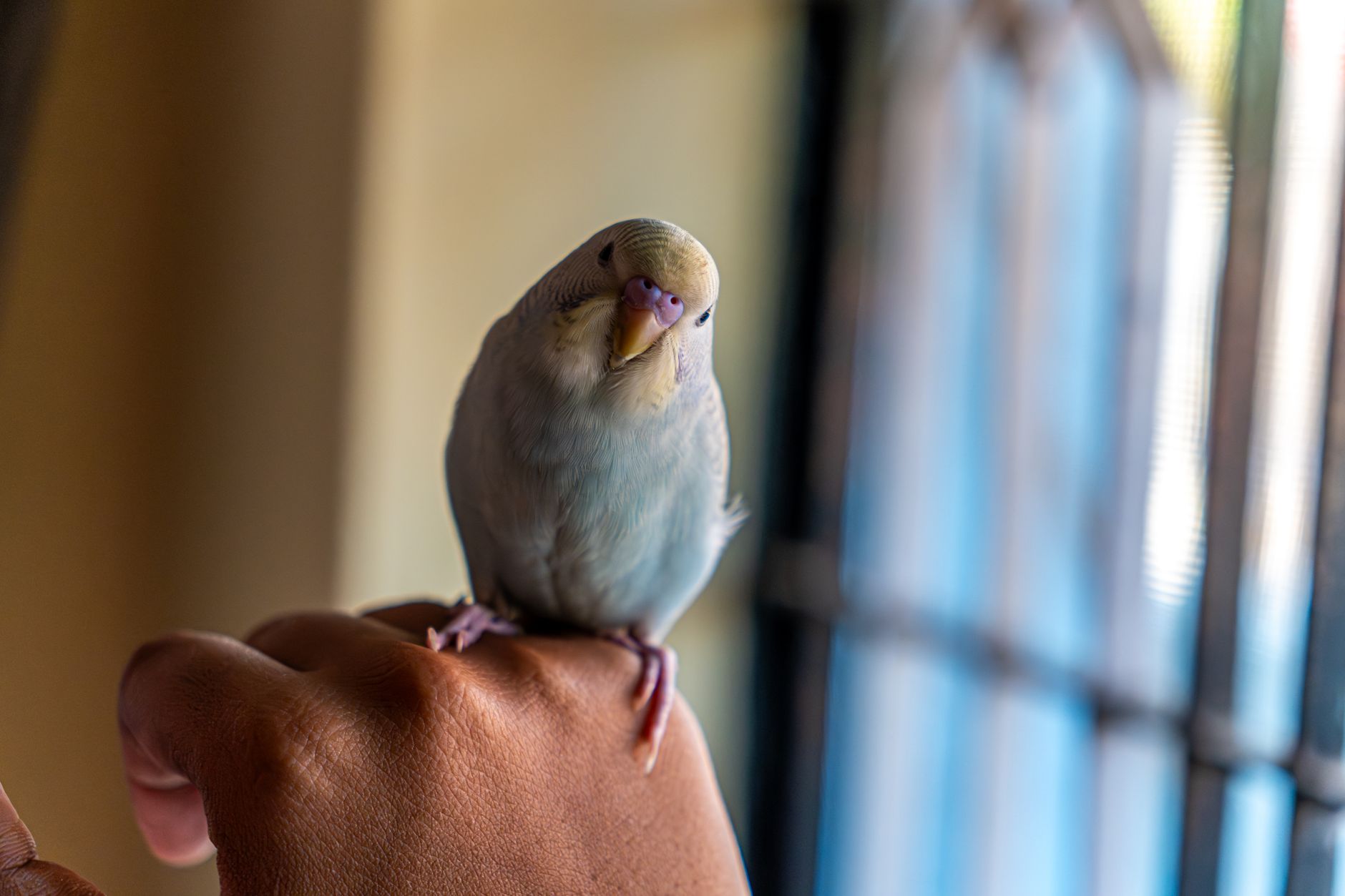
Some people believe that single budgies are better because they become more attached to their owners and are easier to train. While this can be true, it comes at the expense of the budgie’s natural social needs. It’s possible to bond with and train budgies even when they are in pairs. The key is to dedicate time and effort to interacting with them individually and as a pair. You can definitely bond even if do budgies need to be in pairs? because it still has you as a flock member.
Common Mistakes When Introducing New Budgies
Introducing new budgies can be a delicate process. Here are some common mistakes to avoid:
- Rushing the Introduction: Introducing the new budgie too quickly can cause stress and aggression.
- Not Quarantining: Failing to quarantine can expose your existing budgie to diseases.
- Insufficient Cage Space: A cramped cage can lead to territorial disputes.
- Lack of Enrichment: Not providing enough toys and activities can exacerbate stress during the introduction period.
- Ignoring Signs of Aggression: Ignoring signs of aggression can allow the situation to escalate.
| Mistake | Consequence | Solution |
|---|---|---|
| Rushing Introduction | Stress, aggression, injury | Gradual introduction, separate cages initially |
| Not Quarantining | Disease transmission | Isolate new bird for 30 days |
| Insufficient Cage Space | Territorial disputes, stress | Provide a larger cage |
| Lack of Enrichment | Boredom, stress, aggression | Provide plenty of toys and activities |
| Ignoring Aggression | Escalation of conflict, injury | Monitor closely, separate if necessary, consult an expert |
Frequently Asked Questions (FAQs)
Will my budgie be lonely if it is the only one?
Yes, budgies are highly social creatures, and a single budgie can experience loneliness. Providing a companion is generally recommended. However, dedicated human interaction can partially compensate for the lack of a feathered friend, but often a pair provides a higher quality of life.
What if I can’t afford a second budgie?
While the cost of a second budgie should be considered, there are other options. Sometimes local bird rescues or shelters have birds available for adoption at a reduced cost. If you truly cannot afford another budgie, focus on providing ample attention, enrichment, and stimulation to your single budgie.
Is it better to get two budgies at the same time?
Getting two budgies at the same time can be beneficial as they can acclimate to their new environment together. However, remember to quarantine them separately before introducing them to each other.
Can I keep a budgie alone if I give it a mirror?
Mirrors are not a substitute for a real companion. While a budgie may interact with its reflection, it won’t fulfill its social needs and can even lead to frustration and behavioral problems. The bird may become aggressive toward the reflection or become obsessed with it, neglecting other forms of interaction and enrichment.
What if my budgies start fighting?
Minor squabbles are normal, but excessive fighting is a concern. Ensure there is ample cage space, multiple feeding stations, and plenty of toys. If the fighting persists, separate the budgies and consult with an avian veterinarian or behaviorist.
How do I introduce a new budgie to my existing budgie?
Start by placing their cages near each other for several days or weeks, allowing them to acclimate to each other’s presence. Supervise short periods of interaction in a neutral space. If all goes well, gradually increase the time they spend together in the same cage.
What should I do if my budgie is scared of the new budgie?
It’s normal for a budgie to be hesitant or scared of a new bird initially. Provide plenty of hiding places in the cage and allow them to adjust at their own pace. Avoid forcing interaction.
How can I tell if my budgies are bonded?
Signs of bonding include mutual preening, feeding each other, sitting close together, and synchronized chirping.
Can I keep budgies with other types of birds?
While it’s possible to keep budgies with other types of birds, it’s generally not recommended. Budgies have different needs and temperaments than other bird species, and conflict can arise. Always research thoroughly before attempting to house different species together.
Do male budgies get along better than female budgies?
Generally, male-male pairs are easier to manage than female-female pairs. Female budgies can be more territorial and prone to aggression. However, every budgie is an individual, and personality plays a significant role.
If do budgies need to be in pairs? why are some sold alone?
Budgies are sometimes sold alone because of the lower initial cost. However, responsible pet owners should prioritize the bird’s well-being by providing a companion or dedicating significant time and attention to their single budgie.
What is the best age to introduce a new budgie?
Introducing a new budgie when both birds are relatively young (a few months old) can increase the likelihood of them bonding. However, budgies of any age can be successfully introduced with patience and careful observation.