

Do Birds Stop Eating in Extreme Heat? Understanding Avian Feeding Habits in Scorching Weather
Birds generally do not stop eating in extreme heat, although their feeding behavior may change. They may reduce the frequency or quantity of their meals, focusing on foods that provide more hydration and requiring less energy to digest, but avoiding food altogether is unlikely as it compromises their survival.
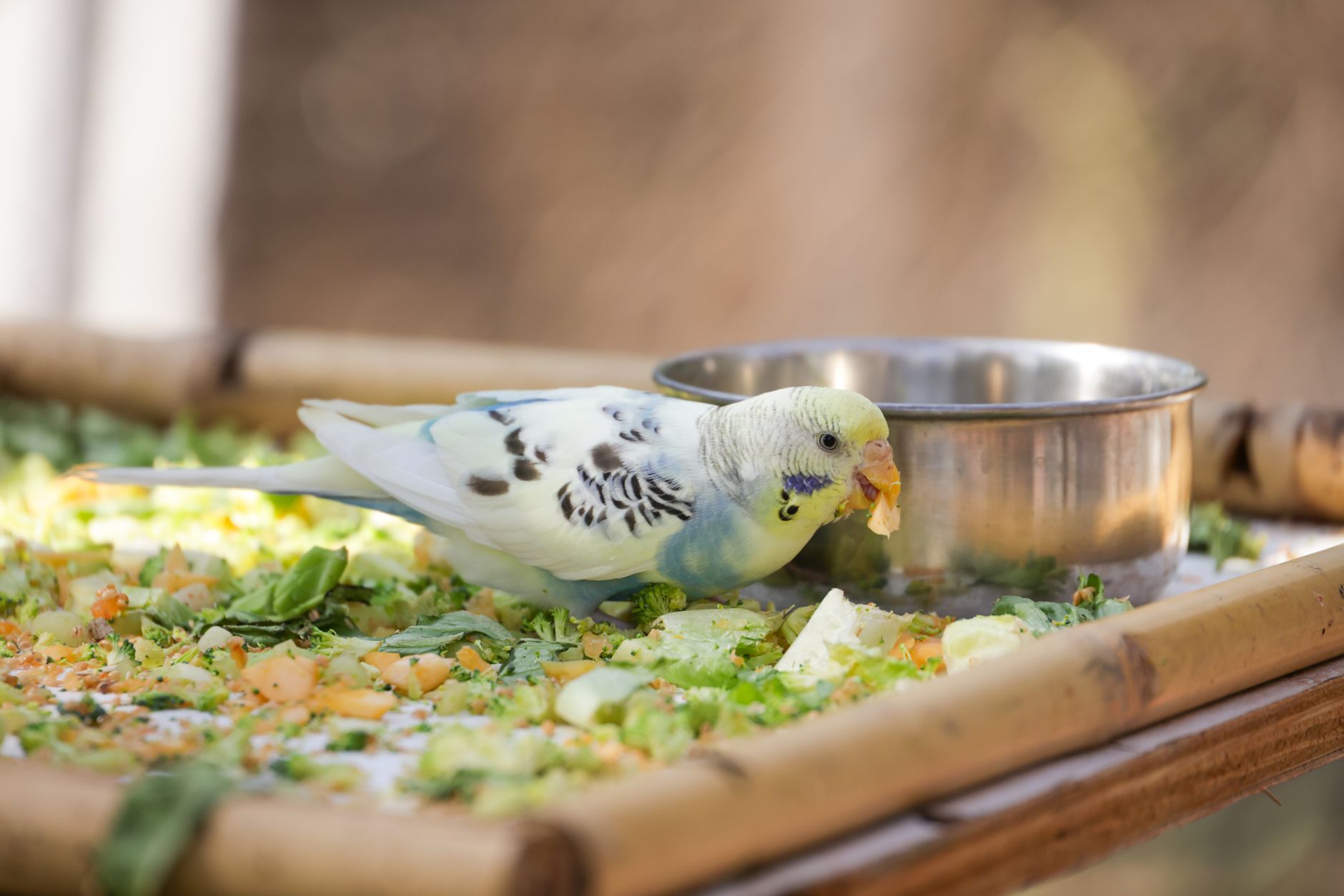
Introduction: The Delicate Balance of Avian Thermoregulation
Birds, unlike humans, lack sweat glands. This makes them particularly vulnerable to overheating in extreme temperatures. Their ability to maintain a stable internal body temperature, known as thermoregulation, is crucial for their survival. This thermoregulation affects all aspects of their behavior, and especially their dietary habits. One common question is: Do birds stop eating in extreme heat? The answer is nuanced, involving complex physiological adaptations and behavioral modifications. Understanding these intricacies is essential for appreciating the challenges birds face and how we can help them thrive in a changing climate.

Is distilled water good for goldfish?
What colours are fish most attracted to?
Can you put your finger in a trout's mouth?
Is methylene blue anti bacterial?
Factors Influencing Avian Feeding in Hot Weather

Several factors influence how birds adjust their eating habits during periods of extreme heat. These include:
- Species: Different bird species have varying levels of tolerance to heat and different dietary needs. For example, a hummingbird might require more frequent feeding than a larger raptor.
- Availability of Water: Hydration is paramount. Birds may prioritize finding water sources over food if dehydrated. The proximity of reliable water can significantly impact their willingness to forage.
- Food Type: Birds may shift their diets to favor foods with higher water content, such as fruits and insects. They may also avoid energy-intensive foods that generate more heat during digestion.
- Time of Day: Many birds become less active during the hottest parts of the day, seeking shade and conserving energy. This naturally reduces their feeding activity during those periods.
- Individual Condition: A bird’s overall health, age, and breeding status can all influence its response to heat stress. Young birds and those raising chicks may be more vulnerable.
Behavioral Adaptations to Heat
Birds employ a range of behavioral strategies to cope with extreme heat, directly affecting their feeding patterns. These include:
- Seeking Shade: Reducing exposure to direct sunlight is crucial. Birds will often seek refuge in dense foliage or other shaded areas.
- Panting: Evaporative cooling through panting helps to dissipate heat.
- Bathing: Soaking their feathers in water provides evaporative cooling.
- Fluffing Feathers: Creating a layer of insulation that allows for air circulation.
- Reduced Activity: Conserving energy by minimizing movement and foraging during peak heat.
These adaptations directly impact the frequency and duration of feeding periods. Birds prioritize survival, and adjusting feeding patterns becomes a key component of that survival strategy. The assumption that Do birds stop eating in extreme heat? is an oversimplification. They adapt, not abstain.
The Role of Food in Avian Thermoregulation
The type of food a bird consumes can significantly impact its ability to regulate its body temperature. Foods that require more energy to digest can generate more internal heat, potentially exacerbating heat stress.
| Food Type | Water Content | Energy Requirement for Digestion | Impact on Thermoregulation |
|---|---|---|---|
| Seeds | Low | High | Can increase body temperature |
| Insects | High | Moderate | Easier to digest, better for hydration |
| Fruits | Very High | Low | Provides hydration, minimal heat generation |
| Nectar | Very High | Very Low | Provides quick energy and hydration |
Therefore, birds may actively seek out foods like fruits and insects during hot weather to aid in thermoregulation. They may reduce their consumption of seeds, which are energy-dense but low in water.
Helping Birds Cope with Extreme Heat
Humans can play a significant role in helping birds survive extreme heat events. Simple actions can make a big difference:
- Provide Fresh Water: Ensure birds have access to clean, fresh water for drinking and bathing. Bird baths should be cleaned regularly to prevent the spread of disease.
- Offer Shaded Areas: Plant trees and shrubs that provide shade. Consider adding a misting system to cool the air.
- Avoid Feeding Energy-Intensive Foods: During heat waves, avoid offering seeds and focus on fruits, mealworms, or nectar.
- Reduce Lawn Watering: Conserving water helps ensure birds and other wildlife have access to available water sources.
- Be Mindful of Nesting Birds: Avoid disturbing nesting sites during breeding season, as parental birds are already under stress from the heat.
By understanding the challenges birds face in extreme heat and taking proactive steps, we can contribute to their well-being and ensure their continued survival. The question of Do birds stop eating in extreme heat? is best addressed with an understanding of supportive action we can take.
Frequently Asked Questions (FAQs)
What is the most common cause of death for birds during heat waves?
Dehydration is a primary culprit. Birds need a constant supply of water to regulate their body temperature. When water is scarce, they quickly become dehydrated, leading to heatstroke and death. The lack of available water also affects their ability to find food, indirectly leading to exhaustion and starvation, further exasperating the effects of heat.
Do baby birds need extra care during hot weather?
Yes. Baby birds are particularly vulnerable to heat stress because they have a limited ability to thermoregulate. Their parents work harder to keep them cool by shading them and bringing them water. Orphaned or injured baby birds require immediate veterinary attention and a carefully controlled environment.
How often should I change the water in my bird bath during a heat wave?
You should change the water in your bird bath at least once a day, and preferably twice a day during a heat wave. This ensures the water remains clean, fresh, and cool. Mosquitoes can breed in stagnant water, so regular cleaning also prevents the spread of disease.
What kinds of food are best to offer birds during extreme heat?
Offer foods that are high in water content, such as fruits (berries, melons), mealworms (which provide protein and moisture), and nectar (for hummingbirds). Avoid offering dry seeds or peanuts, as these require more energy to digest and can contribute to dehydration.
Can I give birds ice water during a heat wave?
While offering cool water is beneficial, avoid giving birds ice water directly. This can shock their system. Instead, provide fresh, cool water from the tap or a garden hose.
Do all birds eat the same types of food during hot weather?
No. The specific foods birds eat during hot weather depend on their species and natural diet. For example, insectivores will focus on finding insects, while frugivores will seek out fruits. Offer a variety of food options to cater to different bird species in your area.
How can I tell if a bird is suffering from heat stress?
Signs of heat stress in birds include panting, holding their wings away from their body, lethargy, and a loss of appetite. If you see a bird exhibiting these symptoms, provide it with shade and water immediately. Contact a wildlife rehabilitator if the bird seems severely distressed.
Is it OK to spray a bird with water to cool it down?
It’s generally not recommended to spray a bird with water unless it is in dire distress. A gentle mist might be helpful, but avoid soaking the bird, as this can interfere with its ability to regulate its body temperature properly. The best approach is to provide a shallow dish of water for the bird to bathe in.
Does the location of my bird feeder affect how much birds eat in the heat?
Yes. A bird feeder in direct sunlight will heat up, making the food less appealing and potentially spoiling it faster. Position bird feeders in shaded areas to keep the food cool and fresh.
What should I do if I find a baby bird that has fallen out of its nest during a heat wave?
If the baby bird is not injured, try to return it to its nest. If you can’t find the nest, contact a local wildlife rehabilitator for guidance. Keep the baby bird in a safe, shaded location until you can get it help.
Are some bird species more vulnerable to heat stress than others?
Yes. Smaller bird species are generally more vulnerable to heat stress than larger ones because they have a higher surface area-to-volume ratio, which means they lose heat more quickly but also can overheat more easily. Also, birds with darker plumage tend to absorb more heat.
How does climate change affect bird feeding habits in extreme heat?
Climate change is causing more frequent and intense heat waves, making it increasingly difficult for birds to find food and water. As temperatures rise, their natural food sources may become scarce, and they may be forced to travel longer distances to find sustenance, further increasing their energy expenditure and stress levels. This creates a domino effect, making Do birds stop eating in extreme heat? a more critical question with each passing year.