

Do Birds Eat Boiled Eggs? A Nutritional Treat for Our Feathered Friends
Yes, birds can eat boiled eggs, and they can actually be a highly nutritious supplemental food, especially during breeding season when protein demands are high. Offering boiled eggs can provide a valuable boost to their diet.

Introduction: The Unexpected Delicacy
For bird enthusiasts and backyard feeders, the question of what to offer our avian visitors is a constant consideration. While seeds, nuts, and fruits are staples, many are surprised to learn that do birds eat boiled eggs? The answer, emphatically, is yes! Boiled eggs, particularly when served correctly, can be a beneficial and well-received addition to a bird’s diet, offering a rich source of protein and essential nutrients.

What is the GREY African clawed frog?
Is distilled water good for goldfish?
What colours are fish most attracted to?
Can you put your finger in a trout's mouth?
The Nutritional Benefits of Boiled Eggs for Birds
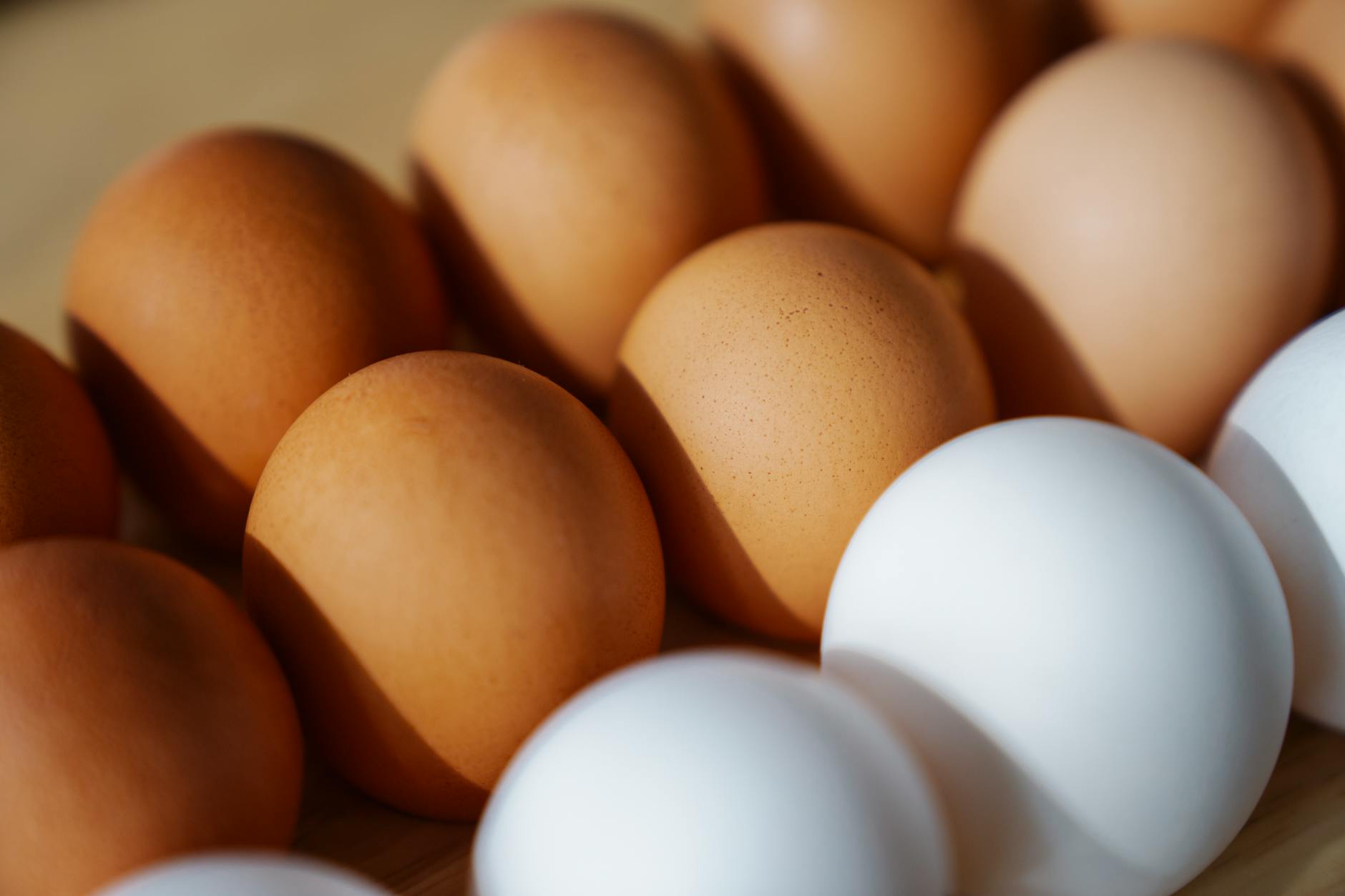
Boiled eggs are packed with nutrients that can significantly benefit birds, especially during energy-intensive periods like nesting and molting.
- Protein: Essential for muscle development, feather growth, and overall health. Protein is crucial for young birds.
- Calcium: Vital for strong bones and eggshell formation. Female birds laying eggs need calcium in abundance.
- Vitamins: Boiled eggs contain various vitamins, including A, D, and B vitamins, contributing to overall well-being.
- Minerals: Important minerals like iron and zinc are also present, supporting various bodily functions.
The easily digestible nature of boiled eggs makes these nutrients readily available to birds.
Preparing Boiled Eggs for Birds: A Step-by-Step Guide
Proper preparation is crucial to ensure the safety and palatability of boiled eggs for birds. Follow these steps for optimal results:
- Boil the Eggs: Place eggs in a saucepan and cover with cold water. Bring to a boil, then reduce heat and simmer for about 10-12 minutes. This ensures the eggs are fully cooked, killing potentially harmful bacteria like Salmonella.
- Cool and Peel: Allow the eggs to cool completely. Peeling makes it easier for birds to access the edible portion.
- Crush the Eggshells: Crushing the eggshells is important! Birds need calcium, and this is a natural source. Place crushed shells in a separate area.
- Offer Chopped Eggs: Chop the boiled eggs into small, manageable pieces. Smaller birds might struggle with large chunks.
- Presentation Matters: Offer the chopped eggs on a clean platform feeder, in a suet feeder, or scattered on the ground in a safe area away from predators.
Common Mistakes to Avoid
While offering boiled eggs to birds is generally safe, avoiding common mistakes is essential to ensure their well-being.
- Seasoning: Never add salt, pepper, or other seasonings to the eggs. These can be harmful to birds.
- Spoilage: Do not leave boiled eggs out for extended periods, especially in warm weather. Spoiled eggs can harbor bacteria and make birds sick. Remove uneaten eggs after a few hours.
- Raw Eggs: Never offer raw eggs to birds. They pose a significant risk of bacterial contamination.
- Overfeeding: While boiled eggs are nutritious, they should be offered as a supplement, not the primary food source. Balance is key.
A Note on Attracting Specific Bird Species
Different bird species have varying food preferences. While many birds will readily consume boiled eggs, some are more likely to be attracted than others. Birds that commonly visit feeders, such as:
- Robins
- Bluebirds
- Wrens
- Chickadees
- Woodpeckers
These birds are more inclined to sample this protein-rich offering. Experiment and observe which species are most interested in your boiled egg buffet! The question of do birds eat boiled eggs? is ultimately answered by observing the behaviors of local birds.
Safety Precautions
Prioritize bird safety by following these precautions:
- Hygiene: Always wash your hands thoroughly before and after handling eggs and feeders.
- Feeder Cleaning: Regularly clean feeders to prevent the spread of disease.
- Predator Awareness: Be mindful of predators when placing food. Position feeders in areas that offer some protection for birds.
- Supervise feeding: Be mindful of the feeder. If you notice that many birds are sick or congregating together, take down the feeder and clean it. Monitor the birds and contact your local wildlife rehabilitator or animal control if you see any sick or injured birds.
Eggshells: A Source of Calcium
Eggshells are a rich source of calcium and essential for laying hens. Ensure the eggshells are cleaned and baked before offering them to birds.
Ethical Considerations
It’s important to source your eggs from humane and sustainable sources whenever possible. Choose eggs from farms that prioritize the well-being of their hens.
Long-Term Effects
Offering boiled eggs as a supplement has minimal long-term effects on wild bird populations. However, consistent feeding may alter birds’ natural foraging behaviors. It is a good idea to offer the eggs during particularly high-need seasons. Remember to provide a varied diet to ensure birds are getting a balanced intake of nutrients.
Frequently Asked Questions (FAQs)
1. Is it safe to feed boiled eggs to baby birds?
Yes, boiled eggs are safe and beneficial for baby birds, as they provide a rich source of protein necessary for growth and development. Be sure to chop the eggs into very small, easily digestible pieces.
2. Can birds eat the yolk and the white of a boiled egg?
Absolutely. Birds can consume both the yolk and the white of a boiled egg. Both parts contain valuable nutrients. The yolk is rich in fats and vitamins, while the white is primarily protein.
3. Will boiled eggs attract unwanted pests?
Yes, leaving boiled eggs out for an extended period can attract pests such as ants, rodents, and flies. Remove any uneaten eggs after a few hours to prevent this.
4. What types of birds are most likely to eat boiled eggs?
Insectivorous and omnivorous birds, such as robins, bluebirds, wrens, chickadees, and woodpeckers, are most likely to be attracted to boiled eggs. These birds have a natural inclination towards protein-rich foods.
5. How often should I offer boiled eggs to birds?
Boiled eggs should be offered as a supplement, not a primary food source. Providing them a few times a week, particularly during breeding season or molting, is generally sufficient.
6. Can I add supplements to the boiled eggs, such as mealworms?
Yes, adding supplements like dried mealworms, crushed nuts, or berries can enhance the nutritional value and palatability of the boiled eggs. This can attract a wider variety of bird species.
7. Are there any birds that shouldn’t eat boiled eggs?
While boiled eggs are generally safe, avoid feeding them to ducks and waterfowl regularly. They are naturally adapted to a different diet.
8. How long can boiled eggs be left out for birds to eat?
Boiled eggs should not be left out for more than 2-3 hours, especially in warm weather. Bacteria can quickly grow on uneaten eggs, making them unsafe for consumption.
9. Do birds know that boiled eggs are a food source?
Birds learn about new food sources through observation and experimentation. It may take time for birds in your area to discover and recognize boiled eggs as a food source.
10. Is it okay to feed boiled eggs to birds year-round?
While you can offer boiled eggs year-round, they are most beneficial during periods of high energy demand, such as nesting season, molting, or during cold weather.
11. What is the best way to store boiled eggs before feeding them to birds?
Boiled eggs should be stored in the refrigerator in a sealed container for up to a week. Ensure they are properly cooled before offering them to birds.
12. Can I use eggs that are past their expiration date for bird feeding?
No. Do not use expired eggs! This is a safety risk. Bacteria can develop, even after boiling. This is a general rule of thumb when preparing food for any kind of animal.
Ultimately, understanding that do birds eat boiled eggs? and how to responsibly provide them offers a unique opportunity to support their health and well-being. Happy birding!