

Do Bigger Animals Eat Less? Unpacking the Metabolic Mysteries of Size
While it may seem counterintuitive, the answer is a qualified yes: bigger animals, relatively speaking, do eat less. Their metabolic rates scale differently than their size, meaning they need less energy per unit of body mass than smaller creatures.

Introduction: The Allometry of Appetite
The natural world is filled with scaling relationships. A tiny shrew lives a frenetic life, constantly burning energy to stay warm, while a giant elephant, despite its bulk, moves with a deliberate grace, conserving energy for the long haul. This difference in energy expenditure based on size is a fundamental principle of biology known as allometry. Understanding how body size influences metabolic rate and dietary needs is crucial for fields ranging from ecology and conservation to zoology and animal husbandry. Do bigger animals eat less? is a question that delves into the heart of these allometric relationships.

What is the GREY African clawed frog?
Is distilled water good for goldfish?
What colours are fish most attracted to?
Can you put your finger in a trout's mouth?
Kleiber’s Law: The Three-Quarters Power
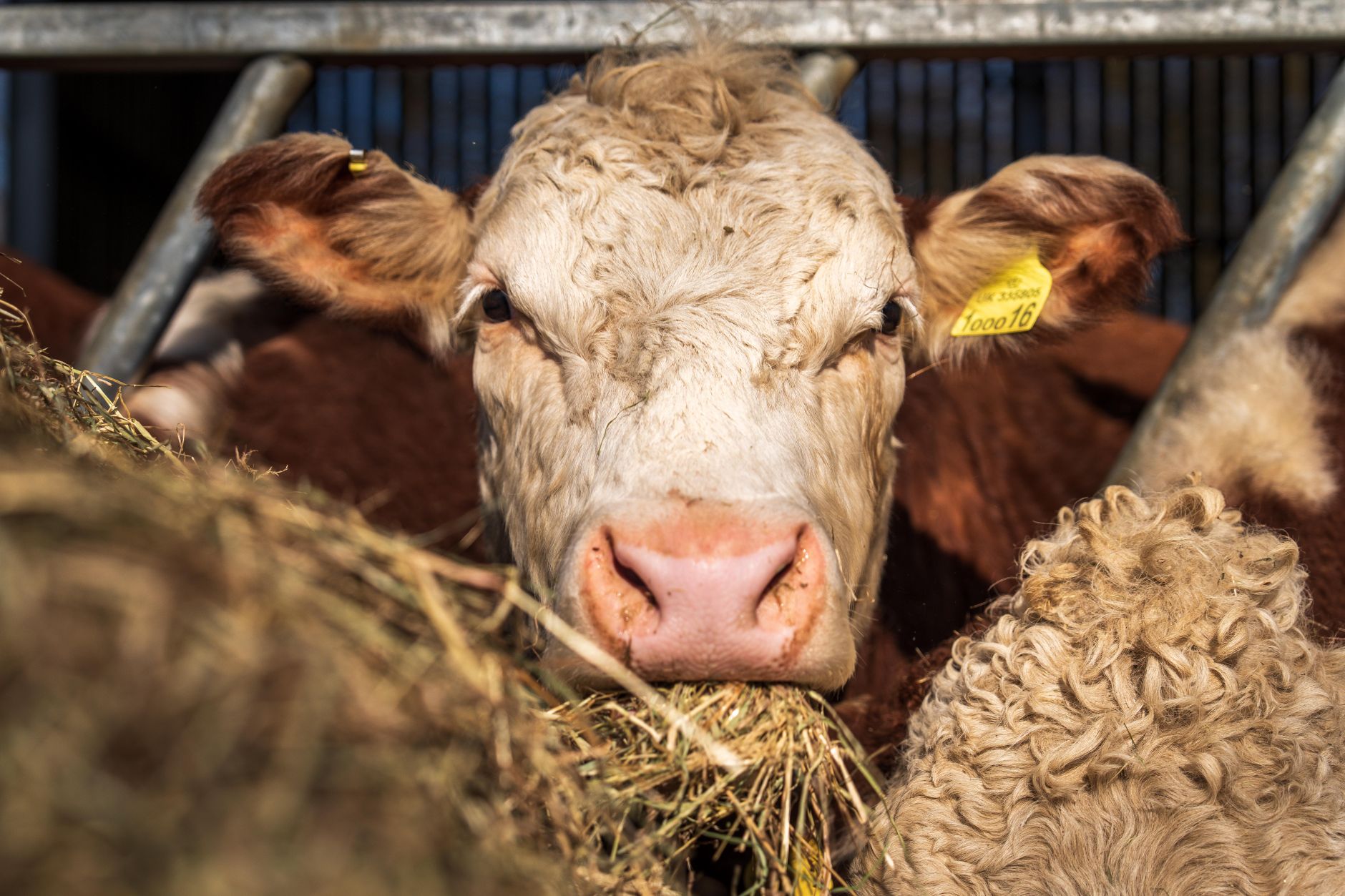
At the core of this phenomenon lies Kleiber’s Law. This empirical law, formulated by Max Kleiber in the 1930s, states that an animal’s metabolic rate scales to the ¾ power of its mass. This means that as an animal’s size increases, its energy consumption doesn’t increase linearly. For instance, if an animal doubles in mass, its metabolic rate increases by a factor of approximately 2^0.75 (around 1.68), not by a factor of 2.
Surface Area to Volume Ratio
One proposed explanation for Kleiber’s Law revolves around the surface area to volume ratio. Smaller animals have a larger surface area relative to their volume compared to larger animals. Because heat is lost through the surface, smaller animals lose heat faster. To maintain a constant body temperature, they must generate more heat per unit mass, which requires a higher metabolic rate and, consequently, more food relative to their size.
- Smaller animals lose heat faster.
- They must generate more heat to maintain body temperature.
- This requires a higher metabolic rate.
- Resulting in needing more food relative to their size.
The Circulatory System and Resource Distribution
Another hypothesis focuses on the constraints imposed by the circulatory system. As animals grow larger, the circulatory system’s ability to distribute resources like oxygen and nutrients efficiently throughout the body may become limited. The fractal-like branching of blood vessels places constraints on the rate at which materials can be supplied to and removed from tissues, which can impact metabolic rate.
Evolutionary Advantages of Lower Relative Consumption
Lower relative food consumption for larger animals offers significant evolutionary advantages. It allows them to survive for longer periods without food, making them better adapted to environments with fluctuating food availability. It also reduces the competition with smaller species for limited resources. So, when asking do bigger animals eat less?, consider that evolutionary pressures have shaped their metabolic strategies to optimize survival.
Comparative Examples: From Mice to Whales
Consider a comparison between a mouse and a whale. A mouse might consume several times its body weight in food each week to fuel its high metabolic rate. In contrast, a whale consumes a much smaller fraction of its body weight over the same period. This highlights the dramatic difference in relative food consumption between animals of vastly different sizes.
| Animal | Approximate Weight | Relative Food Consumption (Example) |
|---|---|---|
| Mouse | 0.02 kg | Multiple times body weight per week |
| Elephant | 6000 kg | Smaller fraction of body weight per week |
| Blue Whale | 150,000 kg | Even smaller fraction of body weight per week |
Conservation Implications
Understanding the metabolic scaling relationships is critically important for conservation efforts. Estimating the food requirements of different species is essential for managing ecosystems and predicting the impacts of habitat loss or climate change. By knowing how much energy different species require, conservationists can better assess the carrying capacity of an environment and develop effective management strategies. Thinking about do bigger animals eat less? helps managers better understand how many big animals a given habitat can realistically sustain.
Common Misconceptions
A common misconception is that larger animals simply need more food overall. While this is true in absolute terms (an elephant eats a lot more food than a mouse), it’s important to remember the concept of relative consumption. Larger animals eat less per unit of body mass compared to smaller animals.
Challenges to Kleiber’s Law
It’s important to acknowledge that Kleiber’s Law is a generalization and doesn’t perfectly apply to all species or under all conditions. There are variations and exceptions to this rule. Factors such as diet, activity level, and environmental temperature can also influence metabolic rate and food consumption. Therefore, context is essential when considering metabolic scaling relationships.
Frequently Asked Questions (FAQs)
Why is metabolic rate so important?
Metabolic rate is the rate at which an organism converts food into energy. It determines how much food an animal needs to survive, grow, and reproduce. Understanding metabolic rate is essential for understanding how animals interact with their environment.
Does Kleiber’s Law apply to plants as well?
While Kleiber’s Law was initially developed for animals, there is evidence that similar scaling relationships may exist in plants, though the specific exponent may differ. Plant metabolic rates also tend to scale with body size, though the relationship is more complex.
Are there any exceptions to Kleiber’s Law?
Yes, there are exceptions. Some species, particularly those with unusual lifestyles or adaptations, may deviate from the predicted scaling relationship. For example, hibernating animals drastically reduce their metabolic rates during dormancy.
How does diet affect metabolic rate?
Diet plays a significant role. Animals that consume high-energy foods, like fats, may have higher metabolic rates compared to animals that consume low-energy foods, like cellulose-rich plant matter.
Does activity level influence food consumption relative to size?
Yes, highly active animals, regardless of size, will require more energy. Migration habits or constant swimming, for example, will increase energy needs.
How does climate affect an animal’s metabolic rate?
Climate can have a substantial impact. Animals living in colder climates often have higher metabolic rates to maintain body temperature, leading to higher food consumption relative to their size.
What is Basal Metabolic Rate (BMR)?
BMR is the minimum rate of energy expenditure required to maintain life in a resting, fasting, and thermoneutral environment. It provides a baseline for understanding an animal’s energy needs.
Can domestication change metabolic rates?
Yes, domestication can alter metabolic rates through selective breeding. For example, domesticated animals may have lower metabolic rates compared to their wild counterparts.
How do scientists measure metabolic rate in animals?
Scientists use various methods, including measuring oxygen consumption (respirometry) and carbon dioxide production. These measurements provide insights into the rate at which animals are burning energy.
What is the significance of understanding metabolic scaling for humans?
Understanding metabolic scaling has implications for human health, particularly in understanding energy balance and obesity. It can help inform dietary recommendations and strategies for weight management.
Are smaller animals always more efficient in converting food to energy?
Not necessarily. While they have higher metabolic rates per unit mass, smaller animals often have shorter lifespans, so their overall energy efficiency over their lifetime might be lower compared to larger animals.
Do bigger animals eat less compared to smaller ones in terms of ecological impact?
While individual larger animals consume a lower amount of food relative to their size, their sheer size and population numbers in some cases can result in significant ecological impact. The impact varies widely by animal and environment.