

Do Baby Copperheads Travel Together?: Unraveling the Juvenile Snake’s Behavior
No. Baby copperheads, unlike some other snake species, are generally not known to travel together after birth; they disperse quickly to find their own hunting grounds. This independent behavior ensures individual survival by reducing competition for resources.
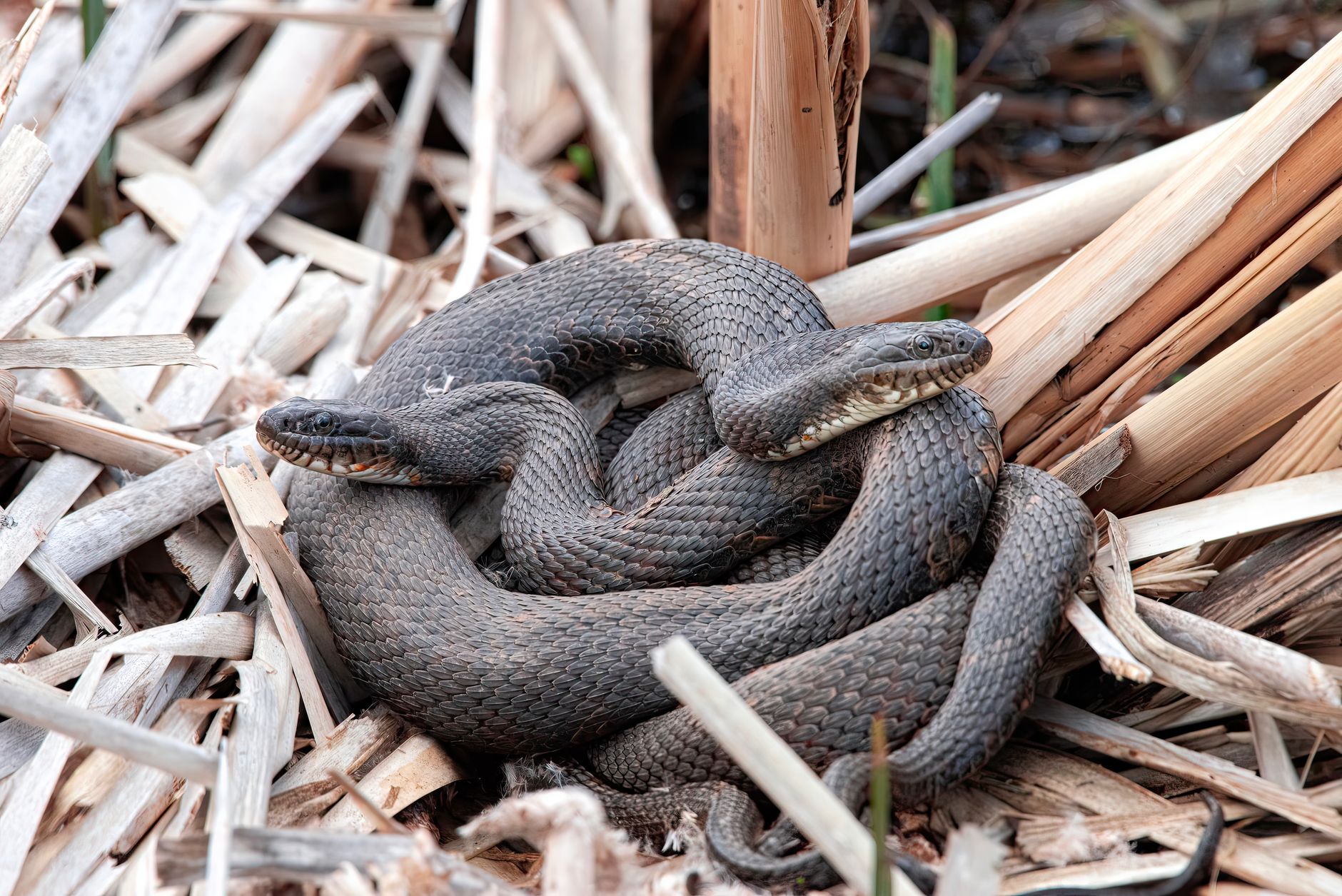
Understanding Copperhead Snake Ecology
The copperhead (Agkistrodon contortrix) is a venomous pit viper found throughout the eastern and central United States. Understanding their general ecology is crucial to addressing the question of juvenile behavior. Copperheads are ambush predators, relying on camouflage to blend into their surroundings and strike unsuspecting prey. They give birth to live young, typically in late summer or early fall. These newborns, often referred to as “baby copperheads,” are equipped with venom and ready to hunt immediately.

Is distilled water good for goldfish?
What colours are fish most attracted to?
Can you put your finger in a trout's mouth?
Is methylene blue anti bacterial?
Dispersal: The Name of the Game

After birth, baby copperheads undergo a process called dispersal. This means they leave the immediate vicinity of their birth site and move to new areas. This dispersal serves several important functions:
- Reduces Competition: Dispersing minimizes competition with siblings and the mother for limited food resources, such as rodents and insects.
- Avoids Inbreeding: Moving to new areas helps prevent inbreeding, promoting genetic diversity within the population.
- Increases Survival: By spreading out, the baby copperheads increase their chances of finding suitable habitats with sufficient prey and shelter from predators.
Why Independent Travel is Favored
While some snake species exhibit parental care or stay together in groups for a period after birth, this is not the typical behavior of copperheads. Their independent nature is likely driven by several factors:
- Limited Maternal Care: Copperhead mothers do not provide prolonged parental care. They might remain near the birthing site for a short time, but they do not actively feed or protect their young.
- Instinctive Hunting Skills: From birth, baby copperheads possess the instinct and ability to hunt. They don’t need to be taught by their mother or other snakes.
- Small Size and Vulnerability: The baby copperheads are vulnerable to a wide range of predators. Staying in a group might attract unwanted attention and increase the risk of predation for the entire group.
Evidence Against Group Travel
There is very little scientific evidence to suggest that baby copperheads travel together after birth. Most observations indicate that they disperse independently within a few days, if not hours, of being born. This is supported by studies tracking snake movements and observations of their behavior in the wild. You may find multiple snakes in a localized area, but this is more likely due to a shared suitable habitat, rather than intentionally traveling together.
Comparing Copperhead Behavior to Other Snakes
It’s worth noting that the behavior of baby copperheads differs from that of some other snake species. For instance, some species of garter snakes may form aggregations, especially during hibernation. Rattlesnakes also may stay with their mothers for a limited time post-birth. However, copperheads generally exhibit a solitary lifestyle from a young age.
Frequently Asked Questions (FAQs)
Do all baby copperheads disperse immediately after birth?
While the vast majority of baby copperheads disperse shortly after birth, there may be minor variations. Some individuals might remain close to the birth site for a day or two, but this is generally short-lived. Factors like habitat availability and food abundance may influence the dispersal time.
Is it possible to find multiple baby copperheads in the same area?
Yes, it is possible to find multiple baby copperheads in the same area, especially shortly after birth. However, this does not necessarily mean they are traveling together. It’s more likely that they are independently occupying a suitable habitat patch.
How far do baby copperheads typically travel when they disperse?
The dispersal distance of baby copperheads can vary depending on several factors, including habitat quality, prey availability, and individual characteristics. Some may only move a few meters, while others may travel much farther. Detailed tracking studies would be needed to determine more precise dispersal distances.
Are baby copperheads more dangerous than adult copperheads?
This is a common misconception. Baby copperheads possess venom from birth and are capable of delivering a painful bite. However, they are generally not considered more dangerous than adults. Their venom yield is smaller, and they may have less control over the amount of venom injected. However, any snake bite is serious and needs immediate medical attention.
What do baby copperheads eat?
Baby copperheads primarily feed on small insects, such as crickets and grasshoppers. They may also prey on small frogs, lizards, or other invertebrates. As they grow, their diet will shift to larger prey items, such as rodents.
How can I identify a baby copperhead?
Baby copperheads resemble adult copperheads in coloration and pattern. They typically have a light brown to tan background with darker brown or reddish-brown crossbands that are hourglass-shaped when viewed from above. Juveniles also have a bright yellow or greenish tail tip, which they use to lure prey.
What should I do if I encounter a baby copperhead?
If you encounter a baby copperhead, the best course of action is to leave it alone. Avoid approaching or handling the snake. Give it plenty of space to move away on its own.
Are copperheads protected by law?
The protection status of copperheads varies by state. In some areas, they may be protected, while in others, they are not. It’s important to check with your local wildlife agency to determine the specific regulations in your area.
What is the best way to prevent copperheads from entering my yard?
To reduce the likelihood of copperheads entering your yard, you can take several preventative measures. These include:
- Removing potential food sources, such as rodents.
- Clearing away brush piles and other debris that can provide shelter.
- Keeping grass mowed short.
- Sealing cracks and openings in your home’s foundation.
Are copperheads aggressive snakes?
Copperheads are generally not considered aggressive snakes. They are more likely to flee than to attack. Bites usually occur when they are accidentally stepped on or otherwise feel threatened.
How long do baby copperheads take to mature?
Copperheads typically reach sexual maturity in 2 to 4 years. Their growth rate depends on factors such as food availability and environmental conditions.
Do baby copperheads hibernate during the winter?
Yes, baby copperheads, like adult copperheads, hibernate during the winter. They seek out sheltered locations, such as rock crevices or underground burrows, to avoid freezing temperatures. They often hibernate communally with other snakes, including other copperheads and different snake species.