

Do All Dogs Get Put Down for Biting? Exploring the Complexities of Dog Bite Euthanasia
No, not all dogs get put down for biting. The decision is complex and depends on various factors, including the severity of the bite, the circumstances surrounding the incident, the dog’s history, and local laws and regulations.
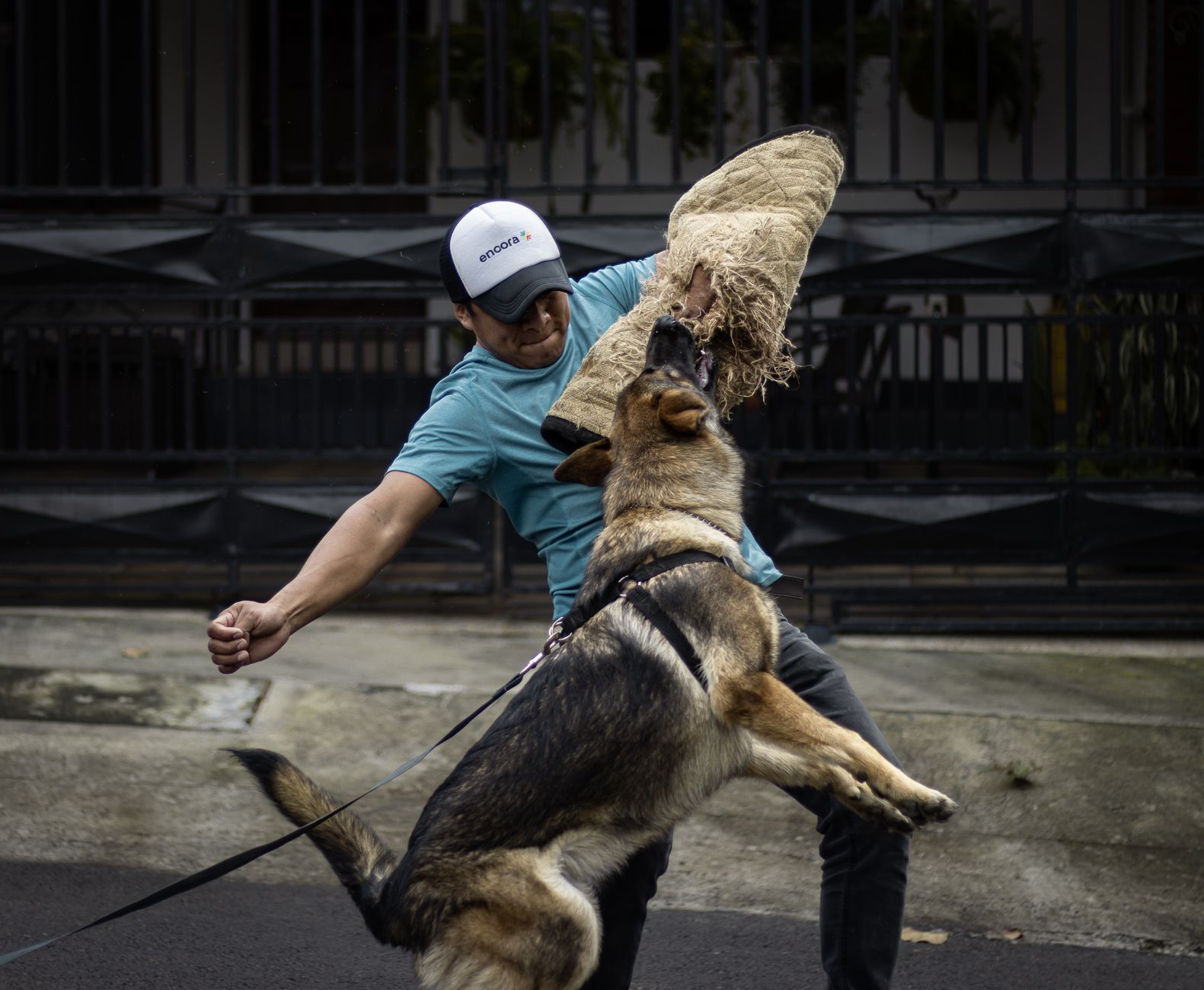
Understanding the Landscape of Dog Bite Euthanasia
The question “Do all dogs get put down for biting?” is understandably fraught with emotion and concern for both dog owners and the public. It’s a complex issue with no simple yes or no answer. The consequences of a dog bite incident can range from minor repercussions to the tragic loss of a dog’s life, making it essential to understand the factors that influence these outcomes.

Can you get hognose snakes in Australia?
Do all snakes have poison in them?
Are all shrimps born female?
What is the GREY African clawed frog?
Factors Influencing Euthanasia Decisions
Numerous factors come into play when authorities consider whether a dog that has bitten someone should be euthanized. These factors help to determine the dog’s perceived risk to the community.
- Severity of the Bite: A minor nip is vastly different from a severe bite that requires extensive medical treatment or results in permanent disfigurement. The severity of the bite is a primary consideration.
- Circumstances of the Bite: Was the dog provoked? Was the bite a result of self-defense or protecting its territory? Or was it an unprovoked attack? The context of the incident matters greatly.
- Dog’s History: Does the dog have a history of aggression or previous biting incidents? A history of aggression significantly increases the likelihood of a negative outcome.
- Local Laws and Regulations: Laws regarding dangerous dogs and bite reporting vary widely from jurisdiction to jurisdiction. These laws outline specific criteria that trigger mandatory euthanasia or other penalties.
- Breed Specific Legislation (BSL): Some areas have breed-specific legislation that targets breeds deemed inherently dangerous. Even a minor bite from a targeted breed might face harsher consequences.
- Owner Responsibility: Was the owner negligent in controlling the dog, or did they take reasonable precautions? Owner negligence can exacerbate the situation.
The Role of Animal Control and Legal Processes
Animal control agencies and legal processes are central to determining the fate of a dog after a bite. Typically, a bite incident triggers an investigation, which may involve:
- Reporting: The bite is reported to animal control or the local health department.
- Investigation: Animal control investigates the incident, gathering information from the victim, the dog owner, and any witnesses.
- Quarantine: The dog may be quarantined for a period of time to monitor for rabies or other diseases.
- Assessment: Animal behaviorists or veterinarians may assess the dog’s temperament and history to determine its potential for future aggression.
- Legal Proceedings: Depending on the severity of the bite and local laws, legal proceedings may be initiated to determine the dog’s fate.
Alternatives to Euthanasia
While euthanasia is sometimes unavoidable, there are often alternatives considered, particularly in cases where the bite was not severe and the dog doesn’t have a history of aggression. These alternatives aim to mitigate risk and allow the dog to live without posing a threat to public safety.
- Behavioral Modification: Training and behavior modification programs can help address underlying issues that contribute to aggression.
- Confinement and Restraint: Requiring the dog to be confined to the owner’s property or muzzled in public can reduce the risk of future bites.
- Relocation: Rehoming the dog to a rural environment where interaction with strangers is limited.
- Liability Insurance: Requiring the owner to obtain liability insurance to cover potential future bite incidents.
Challenging the Stigma: The Importance of Responsible Dog Ownership
The best way to address the question “Do all dogs get put down for biting?” is to prevent bites from happening in the first place. This begins with responsible dog ownership.
- Proper Training: Enroll your dog in obedience classes and address any behavioral issues promptly.
- Socialization: Expose your dog to a variety of people, places, and situations from a young age to help them develop into well-adjusted adults.
- Secure Containment: Ensure your dog is securely contained on your property to prevent them from escaping and biting someone.
- Awareness of Triggers: Learn to recognize the signs of stress or anxiety in your dog and avoid situations that might trigger aggression.
- Responsible Breeding: Support responsible breeders who prioritize temperament and health in their breeding programs.
The Impact of Breed-Specific Legislation
Breed-Specific Legislation (BSL) is a controversial topic. BSL targets specific breeds, often pit bulls, Rottweilers, and other breeds perceived as inherently dangerous, with restrictions or outright bans. BSL proponents argue that it reduces the risk of dog bites, while opponents claim it is discriminatory and ineffective. The debate surrounding BSL further complicates the question of “Do all dogs get put down for biting?“
| Argument For BSL | Argument Against BSL |
|---|---|
| Reduces bite incidents | Discriminatory and unfair |
| Protects public safety | Ineffective; targets wrong dogs |
| Deters irresponsible owners | Punishes responsible owners |
Frequently Asked Questions (FAQs)
Will my dog automatically be euthanized if it bites someone?
No, euthanasia is not automatic. A variety of factors are considered, including the severity of the bite, the circumstances surrounding the incident, and the dog’s history. Minor bites often don’t result in euthanasia, especially if the dog has no prior history of aggression.
What happens after I report a dog bite?
After reporting a dog bite, animal control will typically conduct an investigation. This may involve interviewing the victim, the dog owner, and any witnesses. The dog will likely be quarantined to monitor for rabies.
What constitutes a “severe” dog bite?
A severe dog bite generally involves deep puncture wounds, broken bones, significant tissue damage, or injuries requiring extensive medical treatment. Bites that result in permanent disfigurement or life-threatening injuries are also considered severe.
What if my dog bit someone in self-defense?
If your dog bit someone in self-defense, the circumstances will be carefully considered. Evidence of provocation or a threat to your dog’s safety can significantly influence the outcome. However, even in self-defense, if the bite is severe, there may still be consequences.
Does my dog’s breed affect the decision to euthanize?
Yes, unfortunately, your dog’s breed can influence the decision, especially in areas with Breed-Specific Legislation (BSL). Certain breeds, often pit bulls, Rottweilers, and similar breeds, may face harsher penalties even for minor bites.
Can I appeal a decision to euthanize my dog?
Yes, in most jurisdictions, you have the right to appeal a decision to euthanize your dog. The appeals process varies depending on local laws and regulations. You may need to hire an attorney to represent you.
What can I do to prevent my dog from biting someone?
The most important thing is to invest in proper training and socialization for your dog. Also, be aware of your dog’s triggers and avoid situations that might lead to aggression.
Is it true that once a dog bites, it will always bite again?
No, that is a misconception. While a dog that has bitten once may be more likely to bite again under similar circumstances, it doesn’t mean they are destined to be aggressive. With proper training and management, many dogs can overcome biting issues.
What is “one-bite rule”?
The “one-bite rule,” as it sometimes referenced, is a legal concept that states a dog owner is not liable for a dog bite unless they knew, or should have known, that their dog was prone to biting. This doesn’t mean the dog gets a “free bite”. It affects the owner’s liability, not necessarily the dog’s fate.
If my dog is euthanized, will I have to pay for it?
Yes, in most cases, you will be responsible for the costs associated with euthanizing your dog, including veterinary fees and disposal costs.
What if a child provokes my dog into biting?
If a child provokes your dog into biting, the circumstances will be considered during the investigation. However, as the dog owner, you are ultimately responsible for controlling your dog and preventing bites, regardless of provocation.
What are the legal ramifications of owning a “dangerous dog”?
Owning a dog declared “dangerous” carries significant legal ramifications. This can include mandatory muzzling, increased insurance premiums, restrictions on where the dog can be walked, and even potential criminal charges if the dog bites someone again. The specific consequences depend on local laws.