

Did We Breed Chickens to Lay More Eggs?
The answer is a resounding yes. Did we breed chickens to lay eggs? Absolutely, and the modern laying hen is a testament to centuries of selective breeding for increased egg production.

The Evolutionary Journey of the Chicken
The domestication of chickens is a fascinating story, tracing back to the red junglefowl (Gallus gallus) in Southeast Asia thousands of years ago. Initially, chickens were likely valued more for cockfighting and ornamental purposes than for their eggs. However, as human societies evolved, the potential for a readily available protein source became increasingly apparent.

Is distilled water good for goldfish?
What colours are fish most attracted to?
Can you put your finger in a trout's mouth?
Is methylene blue anti bacterial?
The Early Days of Egg Production
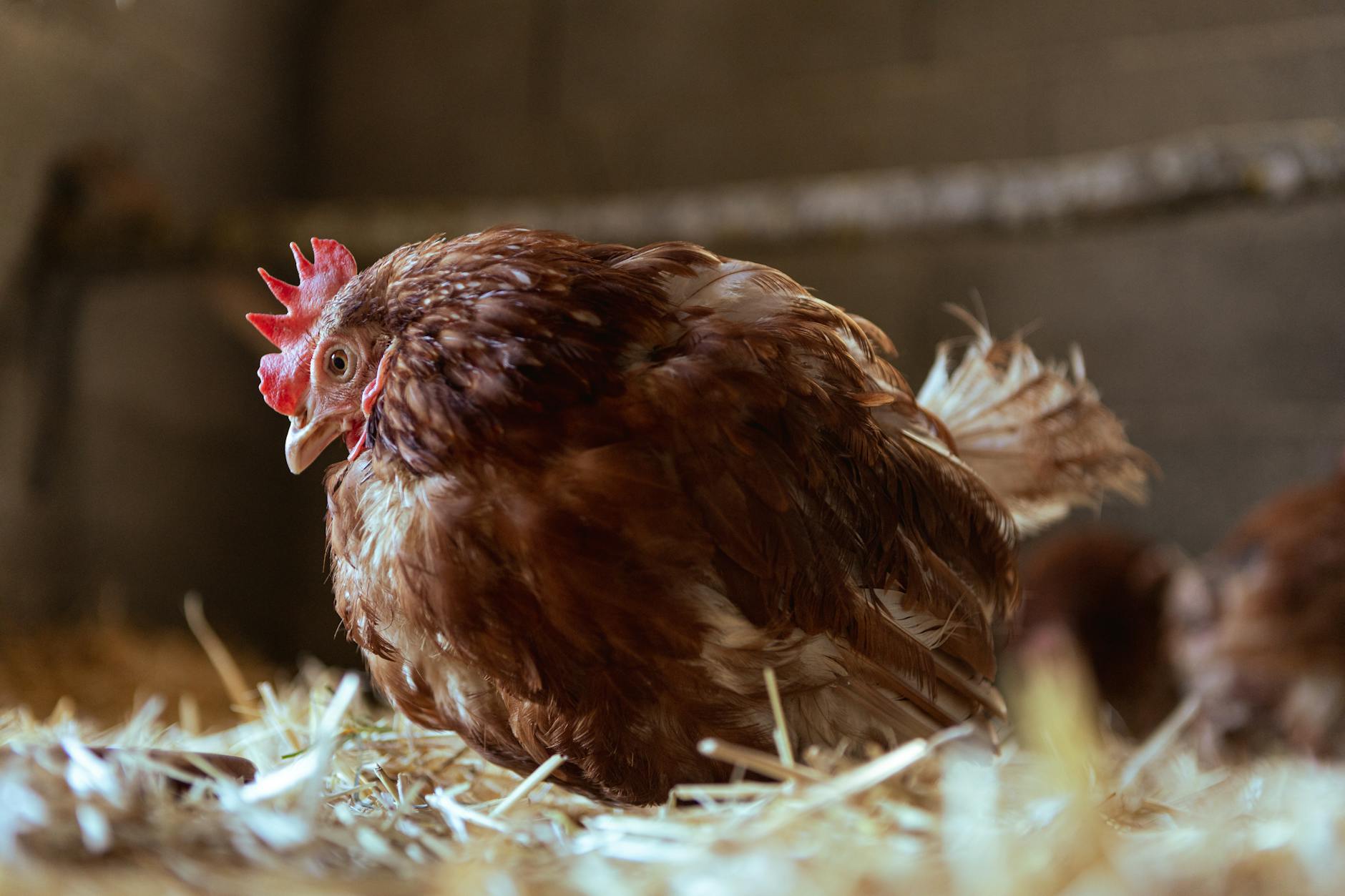
Early chicken breeds laid only a small number of eggs per year, perhaps a dozen or two, and only during specific seasons. These early chickens were more closely tied to their natural breeding cycles, influenced by daylight hours and environmental conditions. As humans began to manage and control chicken populations, they also began to select for traits that favored increased egg laying.
Selective Breeding: The Key to Egg-Laying Machines
The real transformation occurred with the advent of selective breeding. This process involves choosing chickens that exhibit desirable traits, such as frequent egg laying, and breeding them together. Over generations, this targeted breeding strategy has dramatically increased the number of eggs a hen can produce in a year. Modern commercial laying hens can lay upwards of 300 eggs annually, a far cry from their wild ancestors.
Benefits of Selective Breeding
The benefits of selective breeding for egg production are numerous:
- Increased food availability: More eggs mean more protein for human consumption.
- Economic efficiency: Commercial egg production becomes more profitable with higher-laying hens.
- Consistent supply: Year-round egg production reduces seasonal shortages.
- Predictable yield: Farmers can better estimate and plan their egg output.
The Selective Breeding Process: A Detailed Look
The process of selective breeding is complex and requires careful record-keeping and data analysis. It generally involves the following steps:
- Trait Identification: Identify the desired trait, in this case, frequent egg laying.
- Data Collection: Track egg production of individual hens over time.
- Selection: Choose the hens with the highest egg production to become breeders.
- Breeding: Breed the selected hens with carefully chosen roosters.
- Offspring Evaluation: Evaluate the offspring for egg-laying potential.
- Repeat: Repeat the process over multiple generations, continually selecting for the desired trait.
Modern breeding programs often incorporate advanced techniques such as genomic selection, which uses DNA analysis to predict the egg-laying potential of chickens even before they begin laying. This allows breeders to make even more informed decisions about which birds to include in their breeding programs.
Common Concerns and Considerations
While selective breeding has dramatically increased egg production, it also raises ethical and welfare concerns. Some of these concerns include:
- Health problems: High-laying hens may be prone to certain health problems, such as calcium depletion and reproductive issues.
- Behavioral restrictions: Intensive housing systems can restrict natural behaviors.
- Genetic diversity: A focus on a small number of breeds can reduce genetic diversity within chicken populations.
The Future of Egg Production
The future of egg production will likely involve a continued focus on selective breeding, but with greater attention paid to animal welfare and sustainability. This may involve breeding for traits such as disease resistance, longevity, and adaptability to different housing systems. It will also be driven by consumer demand for eggs produced in ethical and environmentally responsible ways. Ultimately, did we breed chickens to lay eggs? Yes, and we must continue to evolve these practices to ensure a sustainable and ethical future for egg production.
Comparison of Egg Production: Wild vs. Modern Chickens
| Characteristic | Wild Chicken (Red Junglefowl) | Modern Laying Hen |
|---|---|---|
| Eggs per year | 10-20 | 300+ |
| Laying Season | Seasonal | Year-round |
| Incubation Behavior | Broody | Less Broody |
| Genetic Diversity | High | Lower |
Frequently Asked Questions (FAQs)
What is selective breeding, and how does it work?
Selective breeding is a process where humans choose animals with desired traits to breed together. In the case of chickens, those with the highest egg production are chosen to create future generations of high-laying hens. This repeated selection over generations leads to significant changes in the overall population.
Why are modern laying hens so different from wild chickens?
Modern laying hens are drastically different from wild chickens due to centuries of selective breeding. They have been specifically bred to lay more eggs, have a less pronounced broodiness instinct, and are often more docile, making them easier to manage in commercial settings.
Does selective breeding affect the health of chickens?
Yes, selective breeding can affect the health of chickens. While it has increased egg production, it can also lead to health issues like calcium depletion (leading to brittle bones), reproductive problems, and other stresses associated with high egg output. Responsible breeding programs now focus on addressing these issues alongside egg yield.
What are some ethical concerns associated with breeding chickens for egg production?
Ethical concerns include the potential for animal suffering due to intensive housing systems, health problems associated with high egg production, and the restriction of natural behaviors. There’s also concern about the reduction in genetic diversity within chicken breeds.
Is it possible to breed chickens for traits other than egg production?
Absolutely. Chickens can be selectively bred for various traits, including meat production, disease resistance, feather color, docility, and even the ability to thrive in specific climates. The key is to identify the desired trait and select breeders that exhibit it.
What is genomic selection, and how is it used in chicken breeding?
Genomic selection utilizes DNA analysis to predict the egg-laying potential of chickens before they even begin laying. This allows breeders to make more informed decisions about which birds to include in their breeding programs, accelerating the breeding process.
Are there different breeds of chickens that are better egg layers than others?
Yes, certain breeds, such as Leghorns and Rhode Island Reds, are known for their exceptional egg-laying abilities. These breeds have been specifically developed for high egg production through selective breeding.
How many eggs does a typical commercial laying hen lay per year?
A typical commercial laying hen can lay over 300 eggs per year, which is significantly more than the 10-20 eggs laid by a wild chicken.
What are the housing requirements for high-laying hens?
Housing requirements vary, but ideally, high-laying hens should have access to clean water, nutritious feed, comfortable nesting areas, and adequate space to express natural behaviors like foraging and dust bathing.
Does egg size correlate with egg production in chickens?
Generally, egg size does not directly correlate with egg production. Breeders typically focus on increasing the number of eggs laid rather than the size of individual eggs. However, extreme focus on egg number can decrease egg size, which necessitates that breeders ensure acceptable egg sizes are maintained.
What are some alternative approaches to egg production that prioritize animal welfare?
Alternative approaches include free-range farming, pasture-raised farming, and organic farming, which prioritize animal welfare by providing more space, access to the outdoors, and opportunities for natural behaviors.
How can consumers support more ethical and sustainable egg production practices?
Consumers can support ethical and sustainable egg production by purchasing eggs from farms that prioritize animal welfare and environmental sustainability. Look for certifications like “Certified Humane,” “Animal Welfare Approved,” or “Organic” labels, and choose local, small-scale farms whenever possible.