
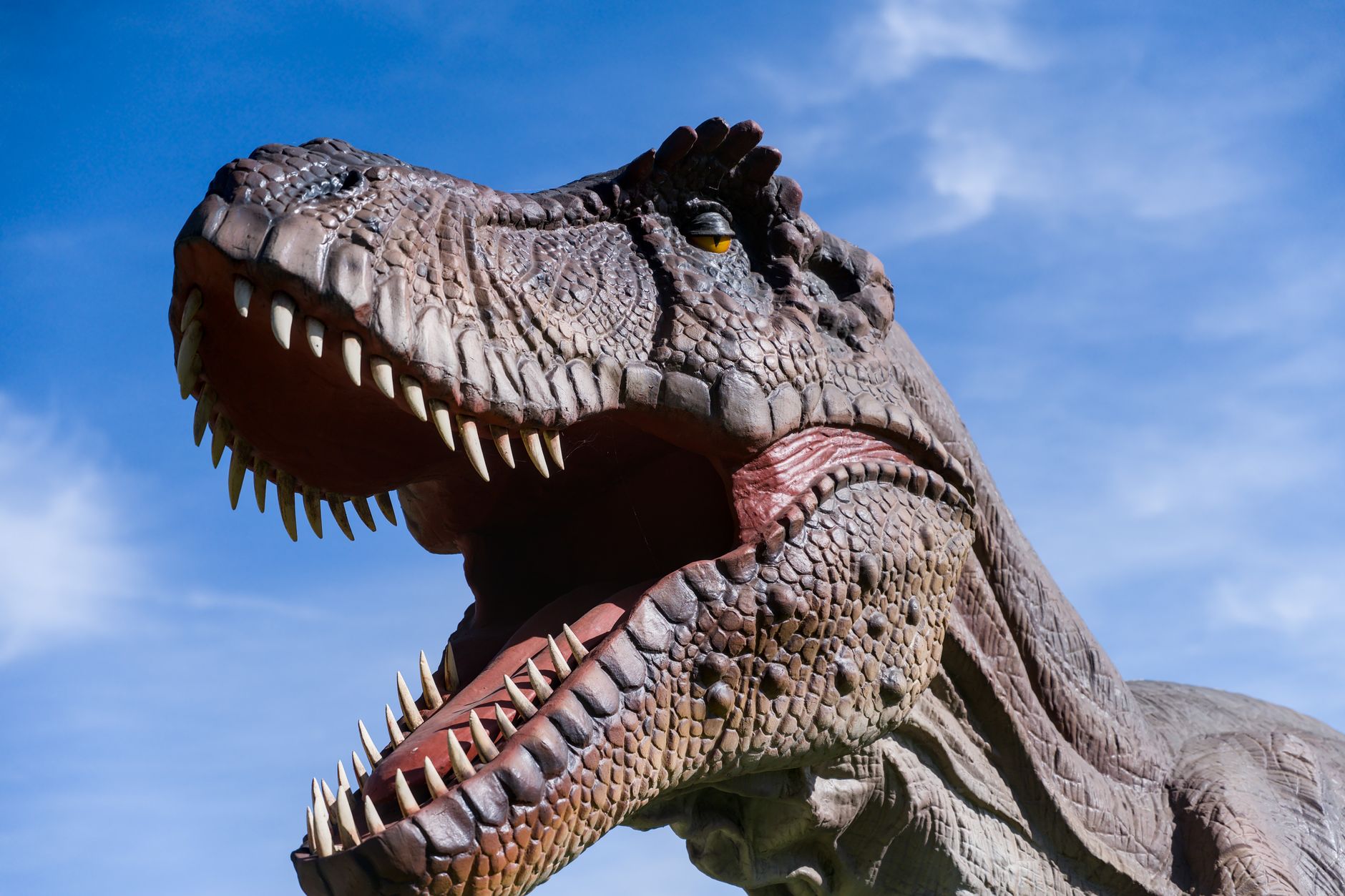
Did Tyrannosaurus rex Eat Anything? Unveiling the Diet of the King
The question of Did T. rex eat anything? can be answered unequivocally: Tyrannosaurus rex was a formidable predator, and evidence suggests it consumed a variety of prey, including large dinosaurs.

Introduction: The Reign of Terror
Tyrannosaurus rex, often shortened to T. rex, stands as one of the most iconic and fearsome dinosaurs to have ever roamed the Earth. Its massive size, powerful jaws, and serrated teeth paint a picture of a creature designed for hunting. But what exactly did this apex predator eat? The study of T. rex diet is a complex and fascinating field, drawing upon fossil evidence, biomechanical analyses, and even modern modeling techniques to understand the feeding habits of this prehistoric giant. Understanding Did T. rex eat anything? is key to understanding its role in the Late Cretaceous ecosystem.

What is the GREY African clawed frog?
Is distilled water good for goldfish?
What colours are fish most attracted to?
Can you put your finger in a trout's mouth?
Evidence of Predatory Behavior
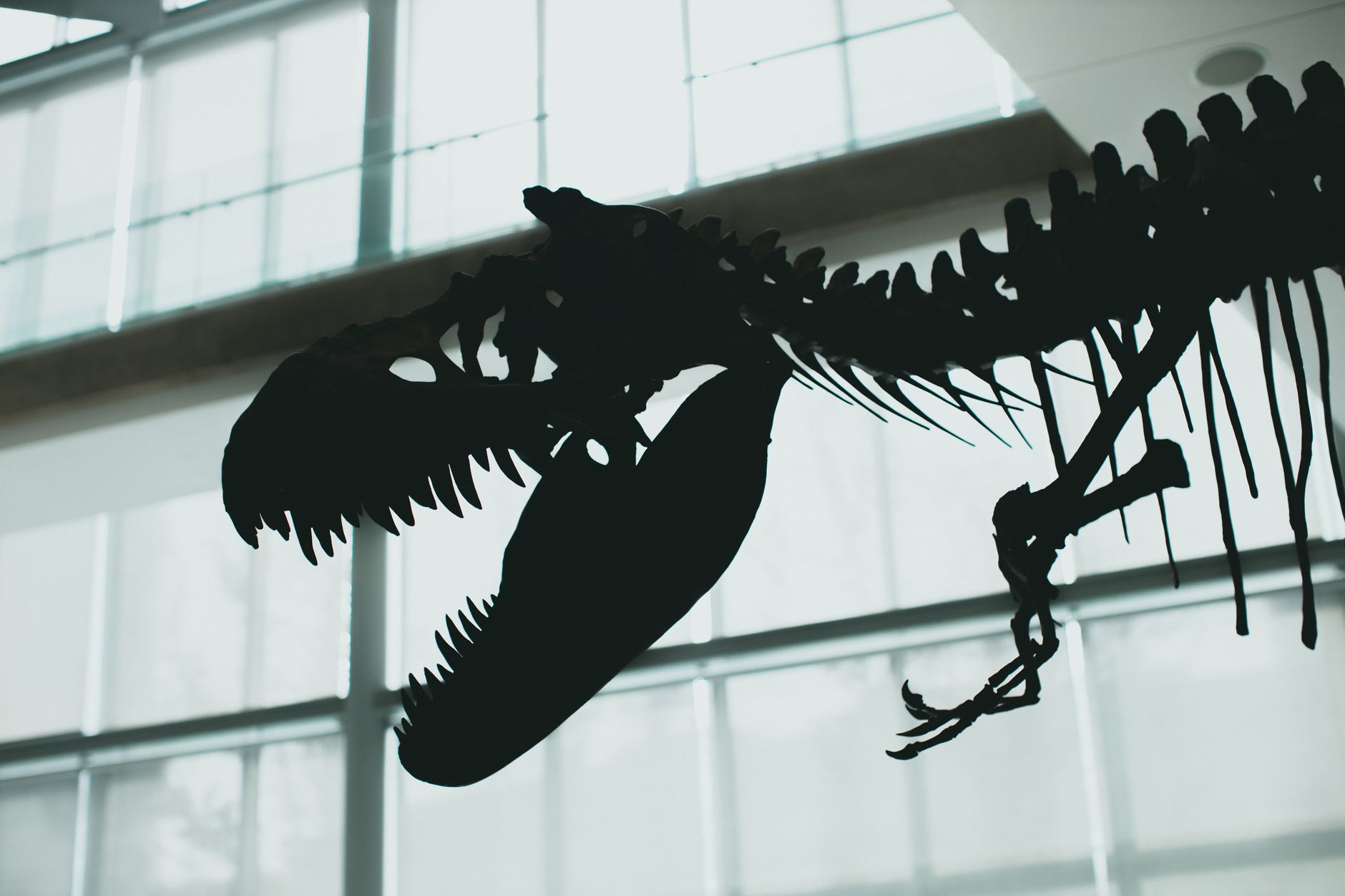
The evidence pointing towards T. rex as a predator is compelling and multifaceted. It comes from several key areas:
- Fossilized Bite Marks: Fossilized bones of other dinosaurs, such as Edmontosaurus and Triceratops, have been found with bite marks that perfectly match T. rex teeth. These marks often show evidence of healed bone, suggesting that the prey survived the initial attack, implying predation rather than scavenging in some cases.
- Coprolites (Fossilized Feces): Analyzing fossilized feces (coprolites) attributed to T. rex has revealed bone fragments from other dinosaurs, further supporting the notion that it consumed bone and flesh.
- Stomach Contents: While rare, the discovery of preserved stomach contents in dinosaur fossils can provide direct evidence of their last meals. Though not yet definitively found with a T. rex, similar discoveries in smaller theropods give credence to the possibility.
- Skeletal Morphology: The T. rex‘s physical attributes, including its powerful bite force and specialized teeth, are indicative of a predator capable of taking down large prey.
The Great Debate: Predator vs. Scavenger
For years, a debate raged among paleontologists regarding the primary feeding strategy of T. rex. Was it an active predator, hunting live prey, or was it primarily a scavenger, feeding on carcasses? While evidence overwhelmingly supports a predatory role, it is likely that T. rex was an opportunistic feeder, engaging in both hunting and scavenging depending on the circumstances. It would be inefficient for such a large animal to ignore available carrion. Ultimately, the question Did T. rex eat anything? extends beyond what it ate to how it obtained its food.
Potential Prey Species
T. rex lived during the Late Cretaceous period, alongside a variety of other dinosaurs. Some of the potential prey species for T. rex include:
- Edmontosaurus – A large herbivorous hadrosaur (duck-billed dinosaur).
- Triceratops – A horned dinosaur with a distinctive frill.
- Ankylosaurus – A heavily armored dinosaur with a club-like tail.
- Young Sauropods – Juvenile long-necked dinosaurs, which would have been easier to hunt than adults.
Bite Force and Feeding Mechanics
T. rex possessed one of the most powerful bite forces of any known terrestrial animal.
| Feature | Description |
|---|---|
| Bite Force | Estimated between 3.6 and 5.8 metric tons (8,000 to 13,000 pounds). |
| Tooth Morphology | Cone-shaped, serrated teeth designed for crushing bone and tearing flesh. |
| Skull Structure | Rigid skull adapted to withstand immense stress during biting. |
| Muscle Attachments | Large muscle attachments on the skull indicating powerful jaw muscles. |
This incredible bite force, combined with its specialized teeth, allowed T. rex to crush bones and extract marrow, providing a rich source of nutrients. This bone-crushing ability further supports the idea that Did T. rex eat anything? including the less desirable parts of its prey.
The Role of Arm Size
One of the enduring mysteries surrounding T. rex is the relatively small size of its arms. While various theories have been proposed, including balancing and clasping prey, the exact function of these limbs remains uncertain. The small arm size doesn’t diminish the clear evidence answering the question Did T. rex eat anything?.
Frequently Asked Questions (FAQs)
Could T. rex run fast?
While T. rex‘s exact running speed is debated, biomechanical analyses suggest it was likely not a particularly fast runner. Estimates range from 10-25 miles per hour. Its relatively large size and weight likely limited its top speed, suggesting ambush predation or hunting slower prey.
Did T. rex hunt in packs?
The question of whether T. rex hunted in packs is a subject of ongoing debate. There is limited direct fossil evidence to support this hypothesis, but some paleontologists believe it is possible, especially considering the size and power of its potential prey. Trackways of multiple theropods walking in the same direction have sometimes been suggested as support, but other interpretations are possible.
How much did T. rex eat in a day?
Estimates vary, but a fully grown T. rex likely needed to consume a substantial amount of meat to sustain its massive size. It is estimated that an adult T. rex could have eaten over 500 pounds of meat in a single feeding.
Was T. rex warm-blooded or cold-blooded?
The metabolic rate of T. rex is a subject of ongoing research. While it was likely not fully warm-blooded like modern mammals, evidence suggests it may have been mesothermic, meaning it had a metabolic rate somewhere between cold-blooded reptiles and warm-blooded mammals.
Did T. rex have feathers?
Evidence suggests that some tyrannosaur species possessed feathers, particularly younger individuals. Whether T. rex itself had feathers is still debated, but it is plausible that it had at least some feathery covering, especially during its juvenile stages.
How did T. rex find its prey?
T. rex possessed excellent senses, including keen eyesight and a well-developed sense of smell, which would have aided in locating prey or carrion. Its binocular vision gave it depth perception, essential for judging distances while hunting.
Did T. rex compete with other predators?
In its ecosystem, T. rex was the apex predator. While it may have encountered other smaller predators, it is unlikely to have faced significant competition for food.
What role did scavenging play in the T. rex diet?
While T. rex was likely an active predator, scavenging likely played a significant role in its diet. Finding a dead animal would have been an easy and efficient way to obtain a meal, especially for a large, energy-demanding predator.
What is the evidence for T. rex biting other T. rex?
Bite marks on T. rex bones suggest that these animals occasionally fought each other, perhaps over territory, mates, or food. This evidence shows the dangers faced by even these powerful creatures.
How do paleontologists determine what dinosaurs ate?
Paleontologists use a variety of methods to determine dinosaur diets, including:
- Analyzing fossilized bite marks on bones.
- Examining coprolites (fossilized feces) for bone fragments or plant matter.
- Studying tooth morphology and jaw structure to infer feeding habits.
- Analyzing stomach contents when preserved.
Were baby dinosaurs easier prey for T. rex?
Yes, juvenile dinosaurs were significantly easier targets than fully grown adults, especially those with armor or horns. This likely made them a regular part of T. rex‘s diet.
What is the most compelling evidence that T. rex was a predator?
The most compelling evidence lies in the discovery of fossilized bite marks on herbivore bones that match T. rex teeth and show signs of healing. This indicates that the prey survived the initial attack, implying that T. rex was actively hunting and attacking living animals.