
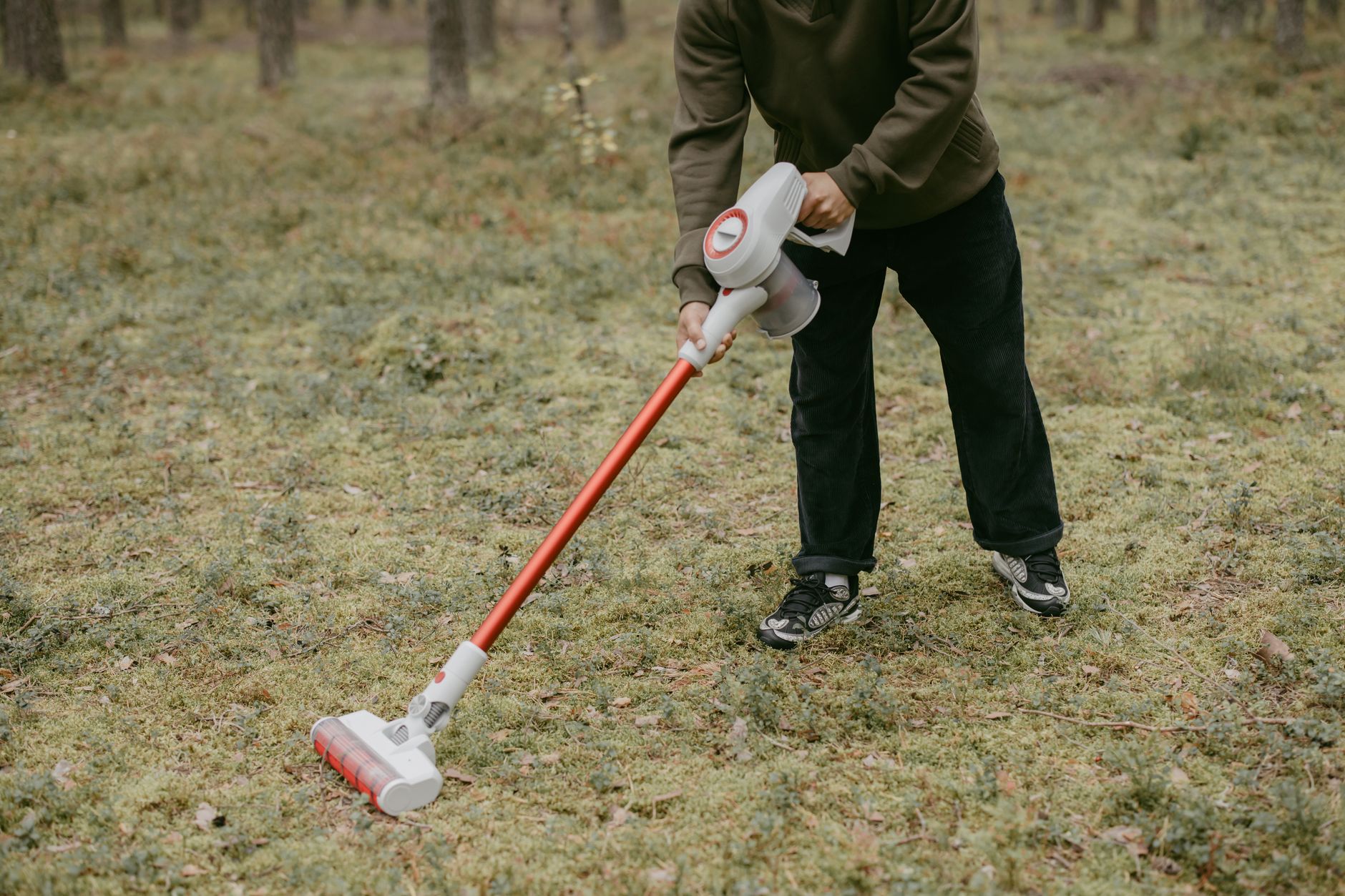
Can You Use a Shop Vac to Clean a Koi Pond?: Keeping Your Koi Healthy and Your Pond Pristine
Can you use a shop vac to clean a koi pond? The answer is sometimes, but it’s not straightforward. While a shop vac can be used for certain light cleaning tasks, using one incorrectly or for the wrong purpose can harm your koi and the delicate ecosystem of your pond.

Introduction: Understanding the Needs of Your Koi Pond
Koi ponds are beautiful additions to any landscape, offering tranquility and a captivating glimpse into the underwater world. However, maintaining a healthy koi pond requires careful attention. Regular cleaning is essential for removing debris, algae, and other contaminants that can harm your fish and disrupt the pond’s delicate balance. The question of can you use a shop vac to clean a koi pond? often arises, but it’s crucial to understand the nuances before implementing this method.
What is the GREY African clawed frog?
Is distilled water good for goldfish?
What colours are fish most attracted to?
Can you put your finger in a trout's mouth?
Why Clean Your Koi Pond? The Benefits of a Pristine Environment

A clean koi pond is vital for several reasons:
- Koi Health: Excess debris and algae reduce oxygen levels, stress fish, and make them susceptible to disease.
- Water Clarity: A buildup of sediment and organic matter clouds the water, obscuring your view of the koi.
- Ecosystem Balance: Debris can disrupt the beneficial bacteria that are essential for maintaining a healthy nitrogen cycle.
- Aesthetic Appeal: A clean pond is simply more visually appealing and enjoyable.
Shop Vacs and Koi Ponds: Potential Uses and Limitations
The core question – can you use a shop vac to clean a koi pond? – requires a detailed examination of what a shop vac is and what it’s suitable for.
- Limited Spot Cleaning: Shop vacs can be effective for removing small amounts of debris, such as leaves or sediment, from easily accessible areas of the pond. This is especially true in areas where larger pond vacuums might be too cumbersome.
- Temporary Solution: Using a shop vac should be considered a temporary measure and not a replacement for a dedicated pond vacuum or professional cleaning.
- Filtration is Key: A robust filtration system is still absolutely essential for maintaining water quality.
The Process: How to Use a Shop Vac Safely (If You Must)
If you choose to use a shop vac, follow these steps carefully to minimize the risk to your koi and your pond’s ecosystem:
- Preparation:
- Remove the Koi: This is the safest option. Place your koi in a temporary holding tank with aerated, dechlorinated water.
- Lower the Water Level: Reducing the water level makes cleaning easier and reduces the risk of disturbing the entire pond.
- Ensure Proper Electrical Safety: Use a ground fault circuit interrupter (GFCI) outlet to prevent electrical shock.
- Vacuuming:
- Gentle Approach: Move the vacuum nozzle slowly and carefully to avoid disturbing the sediment too much.
- Targeted Cleaning: Focus on specific areas with excessive debris, such as corners and along the edges of the pond.
- Avoid Stirring Up Sediment: Try to skim the surface rather than digging deep into the bottom.
- Post-Cleaning:
- Refill the Pond: Slowly refill the pond with dechlorinated water.
- Monitor Water Parameters: Check the pH, ammonia, nitrite, and nitrate levels to ensure they are within the acceptable range for koi.
- Return the Koi: Acclimatize the koi to the new water temperature before releasing them back into the pond.
Common Mistakes and Potential Risks
Misusing a shop vac can lead to several problems:
- Disturbing the Ecosystem: Excessive vacuuming can remove beneficial bacteria and disrupt the nitrogen cycle, leading to ammonia spikes that are toxic to koi.
- Stressing the Koi: The noise and vibrations from the vacuum can stress the fish, making them vulnerable to illness.
- Damaging the Pond Liner: Dragging the vacuum nozzle across the pond liner can cause scratches and tears.
- Electrical Hazards: Using electrical equipment near water always carries a risk of electrocution.
- Inadequate Filtration: Relying solely on a shop vac and neglecting a proper pond filtration system will lead to long-term water quality issues.
Alternatives to Shop Vacs for Koi Pond Cleaning
Consider these alternatives for a safer and more effective cleaning:
- Pond Vacuums: Specifically designed for pond cleaning, these vacuums have features like adjustable suction and filtration systems that are gentler on koi and the ecosystem.
- Pond Skimmers: Skimmers remove surface debris before it sinks and decomposes, reducing the need for frequent deep cleaning.
- Nets and Brushes: Manually removing debris with nets and brushes is a gentle and effective way to keep your pond clean.
- Professional Pond Cleaners: Hiring a professional pond cleaner ensures thorough and safe cleaning, especially for larger or more complex ponds.
Table: Comparing Pond Cleaning Methods
| Method | Effectiveness | Safety for Koi | Ease of Use | Cost |
|---|---|---|---|---|
| Shop Vac | Moderate | Low | Moderate | Low |
| Pond Vacuum | High | High | Moderate | Moderate |
| Skimmer | Preventative | High | High | Moderate |
| Nets/Brushes | Moderate | High | High | Low |
| Professional Cleaning | High | High | N/A | High |
Frequently Asked Questions (FAQs)
Is it safe to use a regular household vacuum cleaner in my koi pond?
No, it is extremely unsafe to use a regular household vacuum cleaner in a koi pond. Household vacuums are not designed for wet environments and pose a significant electrical shock hazard. They also lack the filtration necessary to prevent harmful substances from being released back into the water. Always use a vacuum specifically designed for pond use, or explore other cleaning methods.
What type of shop vac is best if I decide to use one?
If you decide to use a shop vac, choose a wet/dry model with a powerful motor and a long hose. Ensure it’s plugged into a GFCI outlet for safety. Even with these precautions, remember that using a shop vac should only be for minor, occasional cleanups.
How often should I clean my koi pond?
The frequency of cleaning depends on several factors, including the size of the pond, the number of koi, and the amount of sunlight it receives. Generally, a thorough cleaning should be done 1-2 times per year, supplemented by regular maintenance like removing leaves and debris with a net.
Can I use the same shop vac for my house and my koi pond?
While technically possible, it’s highly discouraged to use the same shop vac for both your house and your koi pond. This is because you risk introducing contaminants from your house into the pond, and vice versa. A dedicated shop vac for the pond is the best practice.
What are the signs of a dirty koi pond?
Signs of a dirty koi pond include cloudy water, excessive algae growth, a buildup of debris on the bottom, foul odors, and sluggish or sick-looking koi. Regular water testing can also reveal imbalances in pH, ammonia, nitrite, and nitrate levels.
How can I prevent my koi pond from getting dirty in the first place?
Prevention is key! Implement these strategies:
- Install a good filtration system: This is the most crucial step.
- Control algae growth: Use UV sterilizers or algaecides (use sparingly and carefully).
- Feed your koi appropriately: Avoid overfeeding, as uneaten food contributes to waste.
- Remove leaves and debris regularly: Use a net to skim the surface.
- Provide shade: Excessive sunlight can fuel algae growth.
What are the ideal water parameters for a koi pond?
Ideal water parameters for a koi pond are:
- pH: 7.0-8.0
- Ammonia: 0 ppm
- Nitrite: 0 ppm
- Nitrate: < 20 ppm
- Water Temperature: Varies depending on the season, but generally between 65-75°F (18-24°C)
Regular water testing is essential to maintain these parameters.
Will using a shop vac harm the beneficial bacteria in my koi pond?
Yes, using a shop vac can remove beneficial bacteria. These bacteria are essential for the nitrogen cycle, which keeps the water clean and healthy. To minimize harm, avoid excessive vacuuming and consider using a pond vacuum with a filter that helps retain beneficial bacteria.
What is the nitrogen cycle, and why is it important for my koi pond?
The nitrogen cycle is the natural process that converts harmful ammonia (produced by fish waste) into less harmful substances (nitrite and then nitrate). Beneficial bacteria play a crucial role in this cycle. A healthy nitrogen cycle is essential for maintaining water quality and keeping your koi healthy.
Are there any specific types of debris that I should avoid vacuuming with a shop vac?
Avoid vacuuming large objects, such as rocks or large branches, as they can damage the shop vac. Also, be cautious when vacuuming fine silt or clay, as it can clog the filter.
Can I use chemicals to clean my koi pond instead of a vacuum?
While chemicals can help control algae and other contaminants, they should be used sparingly and with caution. Many chemicals can be harmful to koi and the ecosystem. Always follow the manufacturer’s instructions carefully and consider natural alternatives first.
Where can I learn more about koi pond maintenance?
There are many resources available to help you learn more about koi pond maintenance:
- Local pond supply stores: They often offer advice and workshops.
- Online forums and communities: Connect with other koi keepers and share tips and experiences.
- Books and articles: Many resources can provide in-depth information about koi pond care.
- Professional pond contractors: Consider hiring a professional for consultations and cleaning services.