

Can You Use a Diffuser in the Same Room as a Fish Tank? Exploring the Risks and Alternatives
The answer is nuanced: while it might be possible under specific conditions, generally, it’s highly recommended to avoid using a diffuser in the same room as a fish tank due to potential harm to aquatic life. Careful consideration and preventative measures are absolutely crucial.

Introduction: The Aromatic Allure vs. Aquatic Ecosystems
Many people enjoy the relaxing and therapeutic benefits of essential oil diffusers. However, if you’re also an aquarium enthusiast, you might wonder: Can you use a diffuser in the same room as a fish tank? The answer requires careful consideration. Fish, being sensitive to environmental changes and toxins, are particularly vulnerable to the airborne chemicals released by diffusers. This article will delve into the potential risks and provide guidance on how to navigate this situation safely.
The Potential Dangers: Why Diffusers and Fish Don’t Always Mix
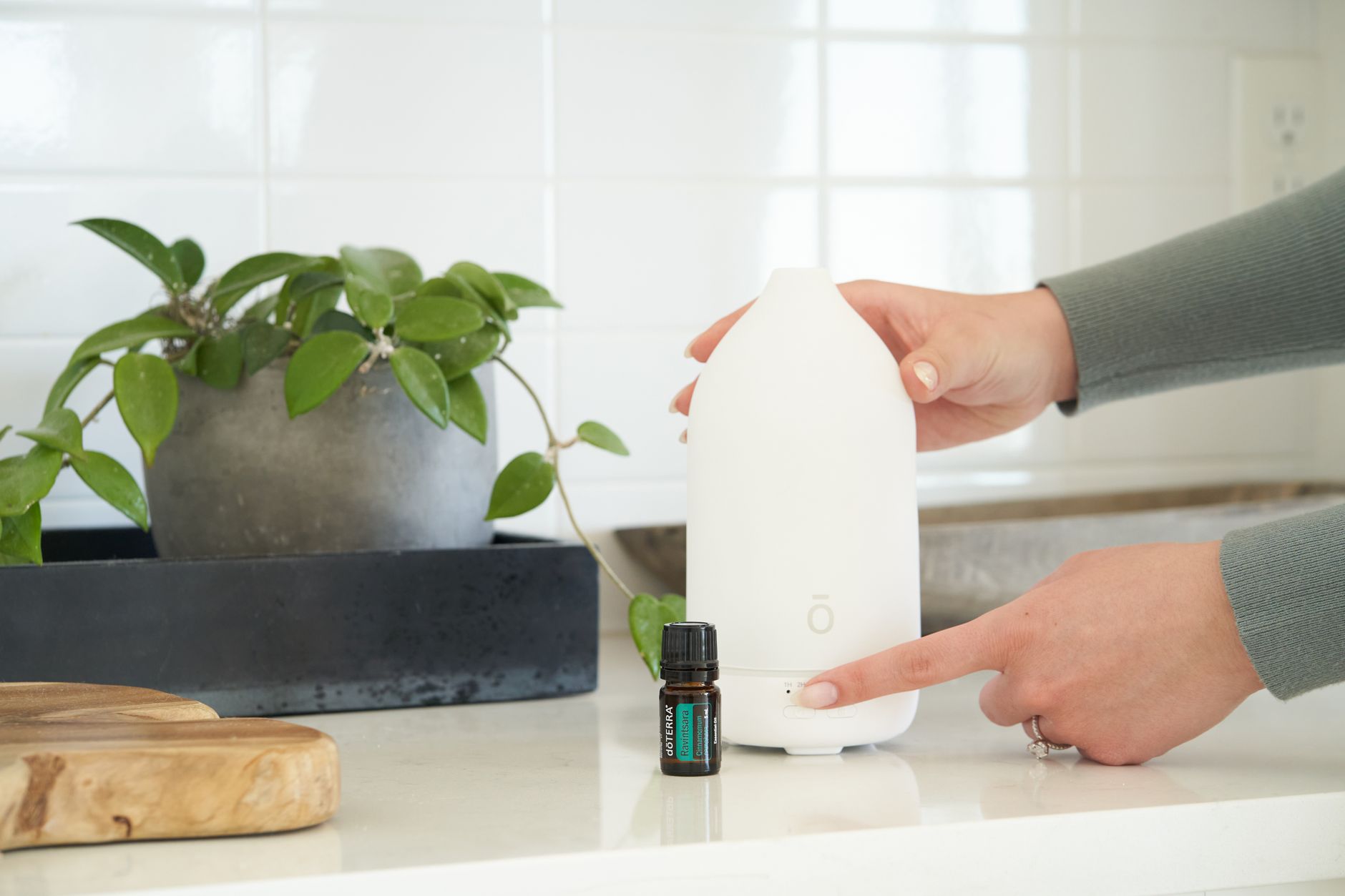
The primary concern stems from the chemical composition of essential oils and the potential for these chemicals to enter the fish tank water. Even trace amounts of certain compounds can be detrimental to the health and well-being of your aquatic pets.
Here’s why diffusers can be risky:
- Essential Oil Toxicity: Many essential oils contain phenols, terpenes, and other compounds that are toxic to fish. These substances can damage their gills, skin, and internal organs.
- Water Contamination: Diffused oil particles can settle on the water’s surface, creating a film that inhibits oxygen exchange. This can lead to oxygen depletion, stressing the fish.
- pH Imbalance: Some oils can alter the pH of the water, causing significant stress and potentially leading to illness or death.
- Filter Interference: Oil residue can accumulate in the filter, reducing its efficiency and potentially harming the beneficial bacteria essential for maintaining a healthy aquarium environment.
- Stress Response: Even if the oils aren’t directly toxic, the strong aromas can stress fish, leading to weakened immune systems and increased susceptibility to disease.
Minimizing Risk: Precautions and Considerations
While it’s generally advisable to avoid using a diffuser in the same room as a fish tank, the risk can be minimized with extreme caution and specific preventative measures. It is absolutely crucial to monitor your fish closely for any signs of distress.
Here are some precautions to consider:
- Distance Matters: Maximize the distance between the diffuser and the fish tank. The further away the diffuser, the less likely oil particles are to enter the water.
- Ventilation is Key: Ensure the room is well-ventilated. Open windows or use an air purifier to help dilute and remove airborne oil particles.
- Diffuser Type: Ultrasonic diffusers, which use water to create a mist, may pose a greater risk than nebulizing diffusers, which do not. Less water means less chance of oil settling.
- Oil Selection: Some oils are considered less toxic than others. However, no essential oil is completely safe for use around fish. Proceed with extreme caution, or avoid altogether.
- Limited Use: If you choose to use a diffuser, do so sparingly and for very short periods.
- Activated Carbon: Use activated carbon in your aquarium filter. This can help remove toxins from the water, including any essential oil residue that may enter the tank.
- Water Changes: Perform regular and more frequent water changes to help dilute any potential contaminants.
Alternatives: Safe Ways to Enhance Your Environment
If you’re concerned about the risks, there are safer alternatives to using a diffuser in the same room as a fish tank:
- Separate Room: The ideal solution is to use the diffuser in a completely different room, far away from the aquarium.
- Aroma Beads or Reed Diffusers: These options provide a more subtle and controlled release of fragrance, reducing the risk of airborne oil particles.
- Natural Scents: Consider using natural elements like fresh flowers or herbs to add fragrance to your home.
- Dedicated Air Purifier: Install an air purifier specifically designed to capture airborne particles.
Common Mistakes: What Not to Do
Avoiding these common mistakes can greatly reduce the risks associated with using a diffuser near a fish tank:
- Direct Placement: Never place the diffuser directly next to or above the fish tank.
- Overuse: Avoid using the diffuser frequently or for extended periods.
- Ignoring Signs of Distress: Monitor your fish closely for any signs of stress, such as erratic swimming, gasping for air, or loss of appetite.
- Using Toxic Oils: Avoid using oils known to be particularly toxic to animals, such as tea tree, peppermint, and eucalyptus.
- Neglecting Water Changes: Don’t skip or delay regular water changes, as these are crucial for maintaining a healthy aquarium environment.

Frequently Asked Questions (FAQs)
1. What essential oils are particularly harmful to fish?
Certain essential oils are known to be particularly toxic to fish. These include tea tree, peppermint, eucalyptus, citrus oils (lemon, orange, grapefruit), cinnamon, clove, and pine. It’s best to avoid using any of these oils if you have a fish tank in the vicinity.
2. How can I tell if my fish are being affected by a diffuser?
Signs of distress in fish exposed to essential oils include erratic swimming, gasping for air at the surface, lethargy, loss of appetite, clamped fins, skin irritation, and changes in coloration. If you observe any of these symptoms, immediately stop using the diffuser and perform a partial water change.
3. Can I use a diffuser safely if I have a lid on my fish tank?
While a lid can help reduce the amount of oil entering the water, it’s not a foolproof solution. Oil particles can still enter through gaps in the lid or during feeding and maintenance. The lid can also trap the oil vapor near the water, increasing the concentration near the surface.
4. Are some fish species more sensitive to essential oils than others?
Yes, some fish species are more sensitive to toxins than others. Smaller fish and those with delicate skin or gills are generally more susceptible to the harmful effects of essential oils. Invertebrates like shrimp and snails are also particularly vulnerable.
5. What should I do if I accidentally diffuse essential oils near my fish tank?
If you accidentally diffuse essential oils near your fish tank, immediately turn off the diffuser, open windows to ventilate the room, and perform a 25-50% water change. Add activated carbon to your filter if you don’t already have it, and monitor your fish closely for any signs of distress.
6. Can I use a diffuser in a different room as my fish tank if the rooms are connected?
Even if the rooms are connected, using a diffuser in a separate room is generally safer than using it in the same room. However, it’s still important to ensure adequate ventilation and to keep the diffuser as far away from the aquarium as possible. Monitor your fish closely for any signs of distress.
7. Is it safe to use a diffuser near a fish tank if I only use it for a few minutes at a time?
While shorter usage times may reduce the risk, it doesn’t eliminate it entirely. Even brief exposure to essential oils can be harmful to fish, particularly if they are sensitive species or if the room is poorly ventilated.
8. What is activated carbon, and how does it help protect my fish from essential oils?
Activated carbon is a highly porous material that can adsorb (bind to) toxins and impurities from the water. By adding activated carbon to your aquarium filter, you can help remove any essential oil residue that may have entered the tank, reducing the risk of harm to your fish.
9. Are there any essential oils that are safe to use around fish?
There are no essential oils that are completely safe to use around fish. Even oils that are considered less toxic can still pose a risk if used improperly. It’s best to err on the side of caution and avoid using any essential oils in the same room as a fish tank.
10. How often should I change the water in my fish tank if I occasionally use a diffuser in the same room?
If you occasionally use a diffuser in the same room as your fish tank, it’s recommended to increase the frequency of your water changes. Perform partial water changes (25-50%) at least once a week, or even more often if you notice any signs of stress in your fish.
11. What type of diffuser poses the least risk to my fish?
Nebulizing diffusers, which do not use water, may pose a slightly lower risk than ultrasonic diffusers. However, all types of diffusers can potentially harm fish. The key is to use them sparingly, in well-ventilated rooms, and as far away from the fish tank as possible. Even with these precautions, the risk remains.
12. Can I use an air purifier to help protect my fish from essential oils?
Yes, an air purifier with a HEPA filter and activated carbon filter can help remove airborne oil particles and reduce the risk of contamination. Choose an air purifier that is appropriately sized for the room and run it continuously to maintain clean air. This is in addition to the other safety measures and does not guarantee complete protection.