
What are Kangaroos Attracted To? Unveiling the Secrets of Kangaroo Attraction
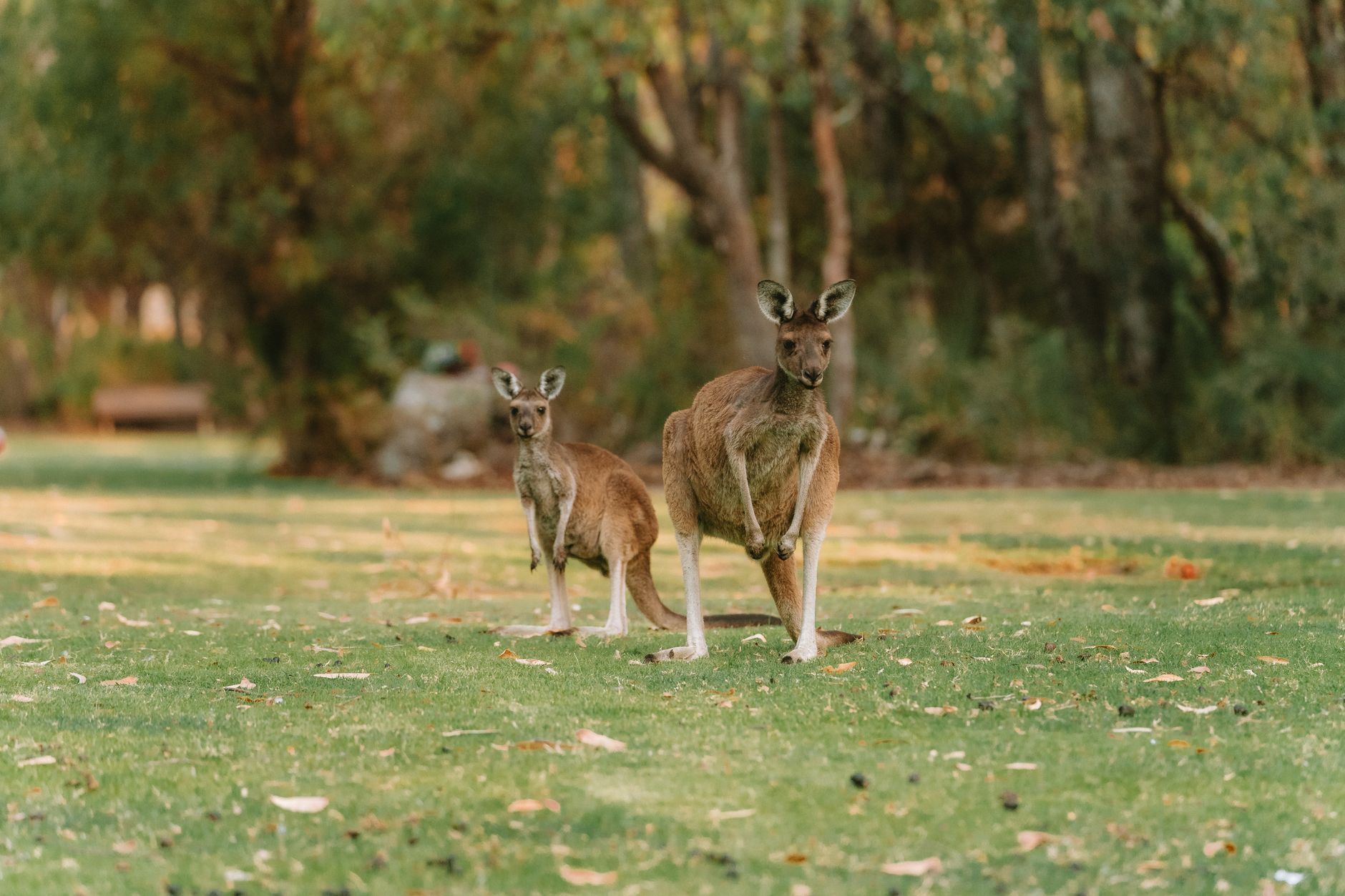
Kangaroos are primarily attracted to abundant food sources, specifically lush grasses and vegetation, and safe environments offering shelter from predators and extreme weather. Understanding what are kangaroos attracted to is crucial for conservation and responsible land management.

Introduction: The Allure of the Australian Outback
Kangaroos, iconic symbols of Australia, are fascinating creatures whose behavior is deeply intertwined with their environment. Understanding their attractions – what are kangaroos attracted to? – provides invaluable insights into their ecology, social dynamics, and survival strategies. This knowledge is crucial not only for conservation efforts but also for managing human-wildlife interactions effectively.
Food: The Primary Attractant

The single most significant factor determining where kangaroos congregate is the availability of high-quality food.
- Grasses: Kangaroos are primarily herbivores, with grasses forming the cornerstone of their diet. They prefer green, succulent grasses that are rich in nutrients.
- Forbs and Herbs: In addition to grasses, kangaroos will consume a variety of forbs (broad-leaved herbaceous plants) and herbs, providing them with a balanced diet.
- Water Sources: While they can obtain some moisture from their food, kangaroos also need access to reliable water sources, especially during dry periods. These include rivers, creeks, dams, and even artificial water troughs provided on farms.
- Agricultural Land: Sadly, this food attraction can lead them to fields of crops that are intended for human consumption, making them a destructive species for farmers.
The seasonal availability of these resources significantly influences kangaroo distribution and movement patterns. After rain, when grasslands flourish, kangaroo populations tend to increase and spread out. During droughts, they may concentrate around remaining water sources and food patches, increasing competition and stress.
Shelter: Security and Comfort
Beyond food, kangaroos are also drawn to environments that offer shelter from predators and the harsh Australian climate.
- Woodland and Forests: Patches of woodland and forests provide cover from predators such as dingoes and eagles. They also offer shade during the heat of the day.
- Rocky Outcrops: Rocky areas provide excellent vantage points for spotting danger and can also offer protection from the elements.
- Man-Made Structures: In some areas, kangaroos may be attracted to man-made structures such as sheds and fences, seeking shelter from the sun or wind. Unfortunately, these structures can also pose dangers, such as entanglement in fences.
Social Dynamics: The Lure of the Mob
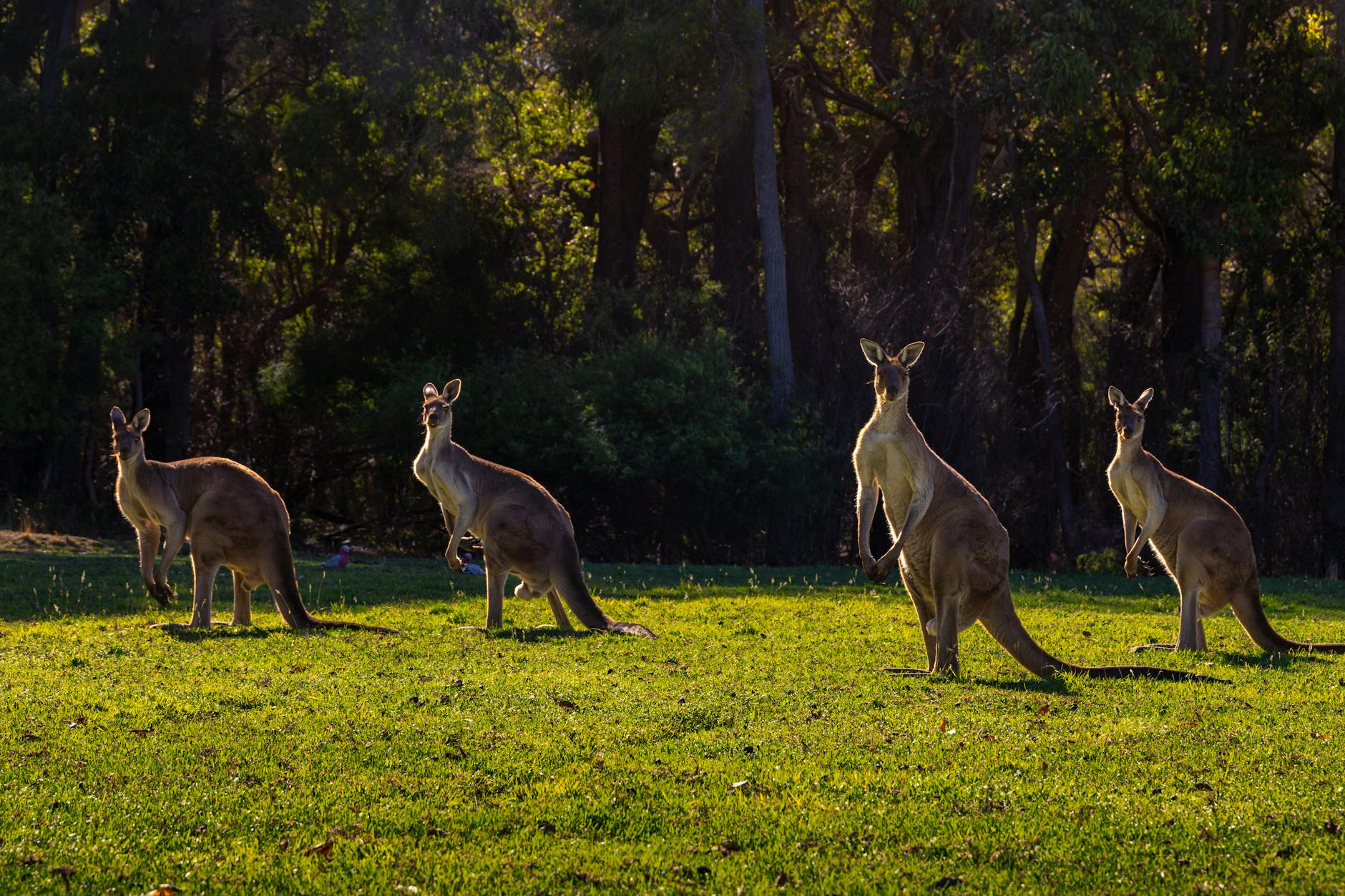
Kangaroos are social animals, often living in groups called mobs. These mobs provide several benefits, including:
- Increased Vigilance: More eyes mean a greater chance of detecting predators.
- Shared Resources: Mobs can share information about food and water sources.
- Social Interaction: Kangaroos engage in various social behaviors, such as grooming and play, which strengthen social bonds.
Young kangaroos, in particular, are strongly attracted to their mothers and other members of their mob. They rely on their mothers for protection and guidance and learn essential survival skills from observing other kangaroos. The size and stability of a mob can significantly influence a kangaroo’s well-being.
Fire and New Growth: A Complex Relationship
Bushfires are a natural part of the Australian landscape, and kangaroos have adapted to survive them. In the aftermath of a fire, new growth often emerges, attracting kangaroos to the nutrient-rich vegetation. However, fire can also destroy habitat and food sources, displacing kangaroos and increasing their vulnerability to predators. The attraction to new growth is a powerful driver, but the overall impact of fire on kangaroo populations is complex and depends on factors such as the severity and extent of the fire.
Human Influence: Unintended Consequences
Human activities can have a significant impact on kangaroo behavior and distribution.
- Urban Expansion: As urban areas expand, kangaroos are often displaced from their natural habitats, leading to increased conflict with humans. They may be attracted to suburban gardens and parks, where they can find food and water, but this can also result in damage to property and road accidents.
- Agricultural Practices: Clearing land for agriculture can create large areas of open grassland, which can be attractive to kangaroos. However, agricultural land can also be heavily grazed, reducing the availability of food.
- Supplementary Feeding: Intentionally feeding kangaroos can disrupt their natural foraging behavior and create dependency. It can also lead to overpopulation and increase the risk of disease transmission.
Understanding what are kangaroos attracted to in human-modified landscapes is crucial for managing these interactions and minimizing negative impacts.
Frequently Asked Questions (FAQs)
Are kangaroos attracted to specific types of grass?
Yes, kangaroos generally prefer green, succulent grasses that are relatively low in fiber and high in nutrients. They are less likely to be attracted to dry, mature grasses that are difficult to digest. Species like Kangaroo Grass (Themeda triandra) are a particular favorite in many areas.
Do kangaroos migrate in search of food and water?
While kangaroos are not strictly migratory, they do move in response to seasonal changes in food and water availability. During droughts, they may travel considerable distances to find suitable resources. Their movements are often influenced by the distribution of rainfall and the availability of green vegetation.
Are male and female kangaroos attracted to the same things?
Generally, both male and female kangaroos are attracted to the same basic resources: food, water, and shelter. However, male kangaroos may also be attracted to areas where they can find potential mates. During breeding season, males may compete for access to females, and the presence of receptive females can be a strong attractant.
Are kangaroos attracted to light?
There’s no strong evidence suggesting kangaroos are particularly attracted to light in the same way that moths are. However, artificial light sources, especially near roads, can disorient them, increasing the risk of road accidents. The disorientation is usually due to their eyesight adjusting to the dark, then struggling to adjust to sudden bright lights.
Do kangaroos get attracted to specific smells?
While they primarily rely on sight and sound, kangaroos may use their sense of smell to locate food and water sources. There’s limited research on specific smells that attract them, but the scent of fresh vegetation or water could be a cue for them to investigate.
Are kangaroos attracted to gardens and lawns?
Unfortunately, yes. Kangaroos are often attracted to gardens and lawns, especially during dry periods when natural vegetation is scarce. Well-watered lawns and gardens offer a readily available source of food and water. This can lead to damage to plants and conflicts with homeowners.
What makes kangaroos attracted to certain areas more than others?
The key factors determining kangaroo attraction to an area include the abundance and quality of food, the availability of water, the presence of shelter, and the level of disturbance. Areas with ample food, water, and cover, and low levels of human activity, are generally more attractive to kangaroos.
How do kangaroos find water in the outback?
Kangaroos are adept at finding water in the arid Australian landscape. They may rely on their sense of smell to detect water sources, or they may follow established trails to known watering holes. They are also known to dig for water in dry creek beds.
What role does the presence of other kangaroos play in attracting new ones to an area?
The presence of other kangaroos can be a significant attractant. Kangaroos are social animals, and they often prefer to be in the company of others. The presence of a large mob can indicate that an area is safe and has adequate resources.
How does the time of year affect what kangaroos are attracted to?
The time of year significantly influences kangaroo attraction. During the wet season, when vegetation is abundant, kangaroos tend to disperse widely. During the dry season, they concentrate around remaining water sources and food patches.
What are the risks of kangaroos being attracted to human areas?
The risks include increased road accidents, damage to property, and the spread of diseases. Kangaroos that frequent human areas may also become habituated to people, losing their natural fear and becoming more aggressive.
How can people prevent kangaroos from being attracted to their property?
To deter kangaroos, people can fence off their gardens, avoid leaving out food or water, and use motion-activated sprinklers. Planting native vegetation that is less palatable to kangaroos can also help. If problems persist, seeking advice from local wildlife authorities is recommended.