
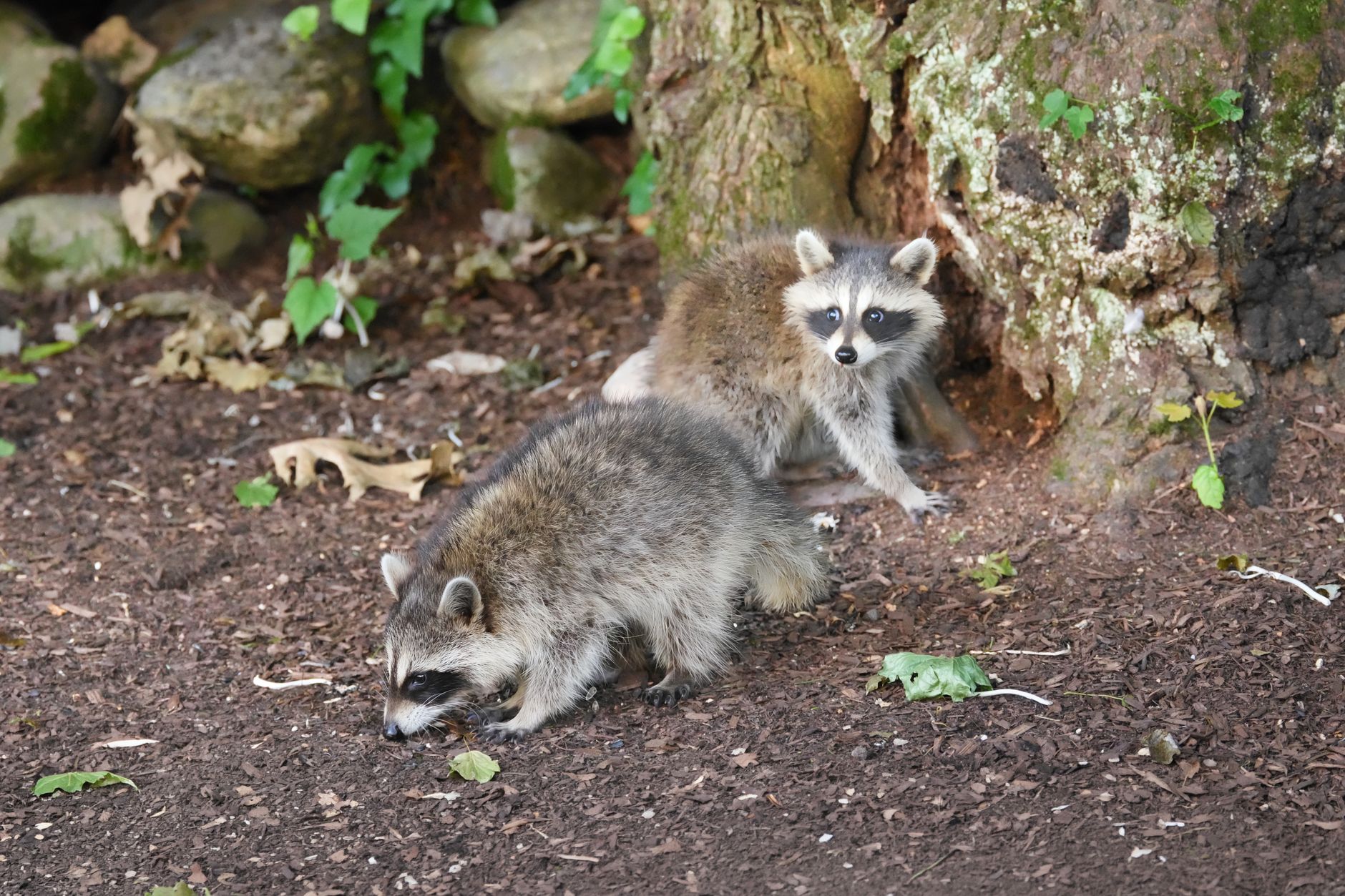
Will Raccoons Eat Baby Ducks? The Unfortunate Truth
Yes, raccoons will indeed eat baby ducks. These opportunistic predators are highly adaptable and will seize any readily available food source, and unprotected ducklings represent an easy and appealing meal.

Introduction: The Predatory Reality of Urban Wildlife
The idyllic image of fluffy ducklings paddling peacefully on a pond often clashes with the harsh realities of nature. In urban and suburban environments, wildlife encounters are increasingly common, bringing wild animals like raccoons into close proximity with domestic and semi-domestic animals such as ducks. Understanding the potential dangers posed by predators is crucial for responsible animal husbandry and conservation efforts. This article delves into the question of whether will raccoons eat baby ducks, exploring the raccoon’s predatory behavior, duckling vulnerabilities, and preventative measures to protect these vulnerable creatures.
Raccoons: Opportunistic Predators

Raccoons are renowned for their adaptability and omnivorous diet. They are not picky eaters and will consume a wide range of food, including fruits, vegetables, insects, eggs, and small animals. This opportunistic feeding behavior is a key factor in their success in thriving in diverse environments, from forests to urban centers. They are intelligent and resourceful hunters, capable of problem-solving and exploiting various food sources. Their dexterity, facilitated by their sensitive paws, allows them to manipulate objects and access food that might be unavailable to other animals.
Ducklings: Vulnerable Prey
Baby ducks, or ducklings, are particularly vulnerable to predation due to their small size, limited mobility, and lack of developed defense mechanisms. They rely heavily on their mother for protection and guidance, and even a brief separation can expose them to danger. Ducklings are often found near water sources, which also attract predators like raccoons. The bright colors of some ducklings can also make them more conspicuous to predators. The timeframe during which ducklings are most susceptible is typically the first few weeks of their lives, before they gain size and agility.
The Intersection of Predators and Prey: Will Raccoons Eat Baby Ducks?
The answer to the question, will raccoons eat baby ducks, is unfortunately, yes. Raccoons are perfectly capable of catching and consuming ducklings. They are adept at hunting near water and can easily ambush unsuspecting ducklings. Raccoons may raid duck nests to consume eggs, further reducing the chances of ducklings hatching. The presence of raccoons in an area frequented by ducks significantly increases the risk of predation on ducklings. Their nocturnal habits often give them an advantage, as ducklings may be less guarded at night.
Preventing Predation: Protecting Ducklings
Protecting ducklings from raccoon predation requires a multi-faceted approach, focusing on habitat modification, deterrents, and, in some cases, relocation.
- Secure Enclosures: Constructing a sturdy and secure enclosure for ducks, especially during nesting and duckling-rearing periods, is crucial. The enclosure should have a roof and walls made of wire mesh that is small enough to prevent raccoons from entering.
- Elevated Housing: Raising duck houses or nesting platforms off the ground can deter raccoons and other ground predators.
- Fencing: Installing a fence around the duck habitat can help to keep raccoons out. The fence should be at least 4 feet high and have an overhang or buried wire mesh to prevent digging under or climbing over.
- Motion-Activated Lights and Sprinklers: These devices can startle raccoons and deter them from approaching the duck habitat.
- Guard Animals: Some people use dogs or geese to guard their ducks. These animals can provide an early warning of approaching predators and may even deter them from attacking.
- Habitat Management: Removing potential raccoon hiding places, such as overgrown vegetation and debris piles, can make the area less attractive to them.
Table: Comparing Predation Risk Factors and Mitigation Strategies
| Risk Factor | Mitigation Strategy | Effectiveness |
|---|---|---|
| Unsecured ducklings | Secure enclosure with roof and walls | High |
| Ground-level nests | Elevated nesting platforms | Medium to High |
| Easy access points | Fencing with overhang or buried wire mesh | Medium |
| Nighttime vulnerability | Motion-activated lights | Low to Medium |
| Raccoon attractants | Removal of food sources, garbage containment | Medium |

Frequently Asked Questions About Raccoons and Ducks
Here are 12 commonly asked questions to further your understanding about this important topic:
Are raccoons the only predators of ducklings?
No, raccoons are just one of many predators that prey on ducklings. Other common predators include foxes, coyotes, hawks, owls, snakes, and even some large fish. The specific predators will vary depending on the geographic location and the type of habitat.
What time of day are raccoons most likely to attack ducklings?
Raccoons are primarily nocturnal animals, so they are most active at night. This means that ducklings are at the greatest risk of raccoon predation during the nighttime hours. However, raccoons may also be active during the day, especially if they are hungry or if food is scarce.
How can I tell if a raccoon has been near my ducks?
Signs of raccoon presence include tracks, droppings, disturbed nests, and missing ducklings or eggs. Raccoons may also leave behind food scraps or other debris. If you suspect that a raccoon is frequenting your property, it is important to take steps to protect your ducks.
Are certain breeds of ducks more vulnerable to raccoon predation?
While all ducklings are susceptible, certain breeds may be slightly more vulnerable if they are less attentive mothers or are less inclined to roost off the ground. However, the primary factor determining vulnerability is the availability of protection rather than breed characteristics.
Does providing food for raccoons make them more likely to prey on ducklings?
Yes, feeding raccoons can habituate them to humans and make them bolder, potentially increasing the risk that they will prey on ducklings. It’s crucial not to intentionally feed wild animals and to secure potential food sources around your property.
What kind of fencing is best for keeping raccoons out?
A sturdy wire mesh fence at least 4 feet tall is recommended. It should either have an overhang sloping outwards, preventing them from climbing over, or extend at least a foot underground to prevent digging underneath. Electric fencing can also be effective.
Will my pet dog or cat deter raccoons from attacking ducklings?
While some dogs and cats may deter raccoons, they cannot be solely relied upon for protection. Raccoons are cunning and can often outsmart domestic pets. A determined raccoon might even attempt to harm a pet to access ducklings.
Is it legal to trap and relocate raccoons?
The legality of trapping and relocating raccoons varies greatly depending on your location. In many areas, it is illegal to relocate raccoons due to the risk of spreading diseases. Always check with your local wildlife authorities before attempting to trap and relocate a raccoon.
Are there any natural deterrents that I can use to keep raccoons away?
Some people report success using strong-smelling substances like ammonia or vinegar to deter raccoons. However, these methods are not always reliable and may need to be reapplied frequently.
What should I do if I find a raccoon near my ducks?
If you encounter a raccoon near your ducks, make loud noises and try to scare it away. Ensure your ducks are safely secured and contact your local wildlife control if the raccoon is aggressive or persistent.
Can I keep ducklings safe in a small backyard pond?
Keeping ducklings safe in a small backyard pond is challenging but possible. You need to create a secure enclosure around the pond or provide a safe, enclosed area within the pond where the ducklings can rest and sleep without being vulnerable to predators.
If a raccoon kills some of my ducklings, will it keep coming back for more?
Unfortunately, yes. Once a raccoon discovers a food source like ducklings, it is likely to return. Therefore, it is essential to implement preventative measures immediately after an incident to protect the remaining ducks.