
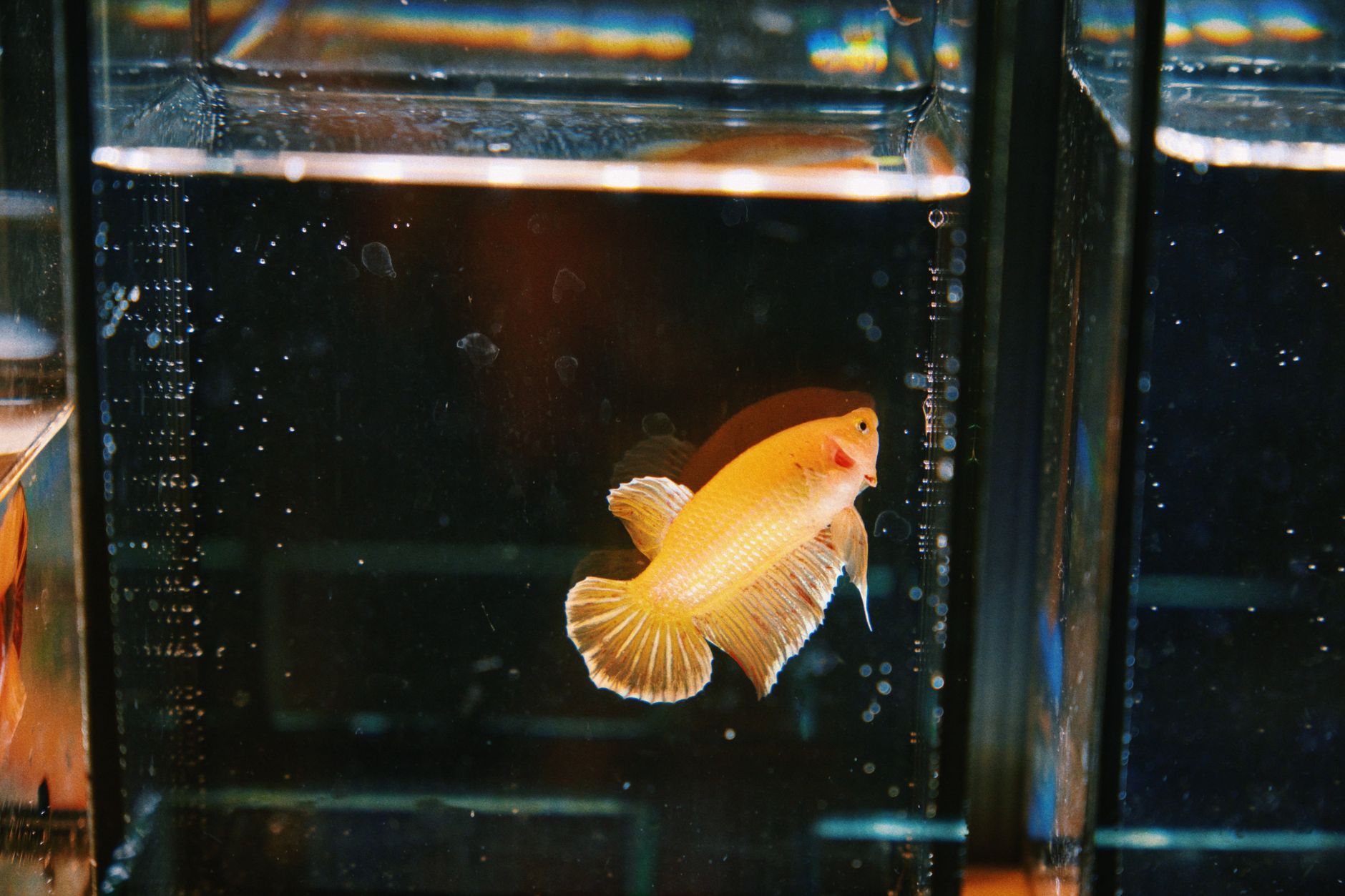
Can You Put Male and Female Betta in Same Tank?: Understanding Betta Compatibility
Can you put male and female betta in same tank? The answer is generally no. Cohabitation of male and female betta fish typically leads to aggression, injury, and even death, unless it’s a carefully controlled breeding setup.

Understanding Betta Fish Behavior
Betta splendens, commonly known as betta or Siamese fighting fish, are renowned for their vibrant colors and flowing fins. However, their beauty is often overshadowed by their aggressive tendencies, particularly males towards other males. But can you put male and female betta in same tank? Understanding their behavior is critical to answering this question.
-
Male Aggression: Male betta fish are notoriously territorial and aggressive towards other males. This aggression stems from their natural instinct to defend their territory and breeding rights.
-
Female Aggression: While less intense than males, female betta fish (often called “sorority bettas“) can also be aggressive towards each other and even males. This aggression manifests as chasing, fin nipping, and territorial disputes.

What is the GREY African clawed frog?
Is distilled water good for goldfish?
What colours are fish most attracted to?
Is methylene blue anti bacterial?
The Dangers of Mixed-Sex Betta Tanks
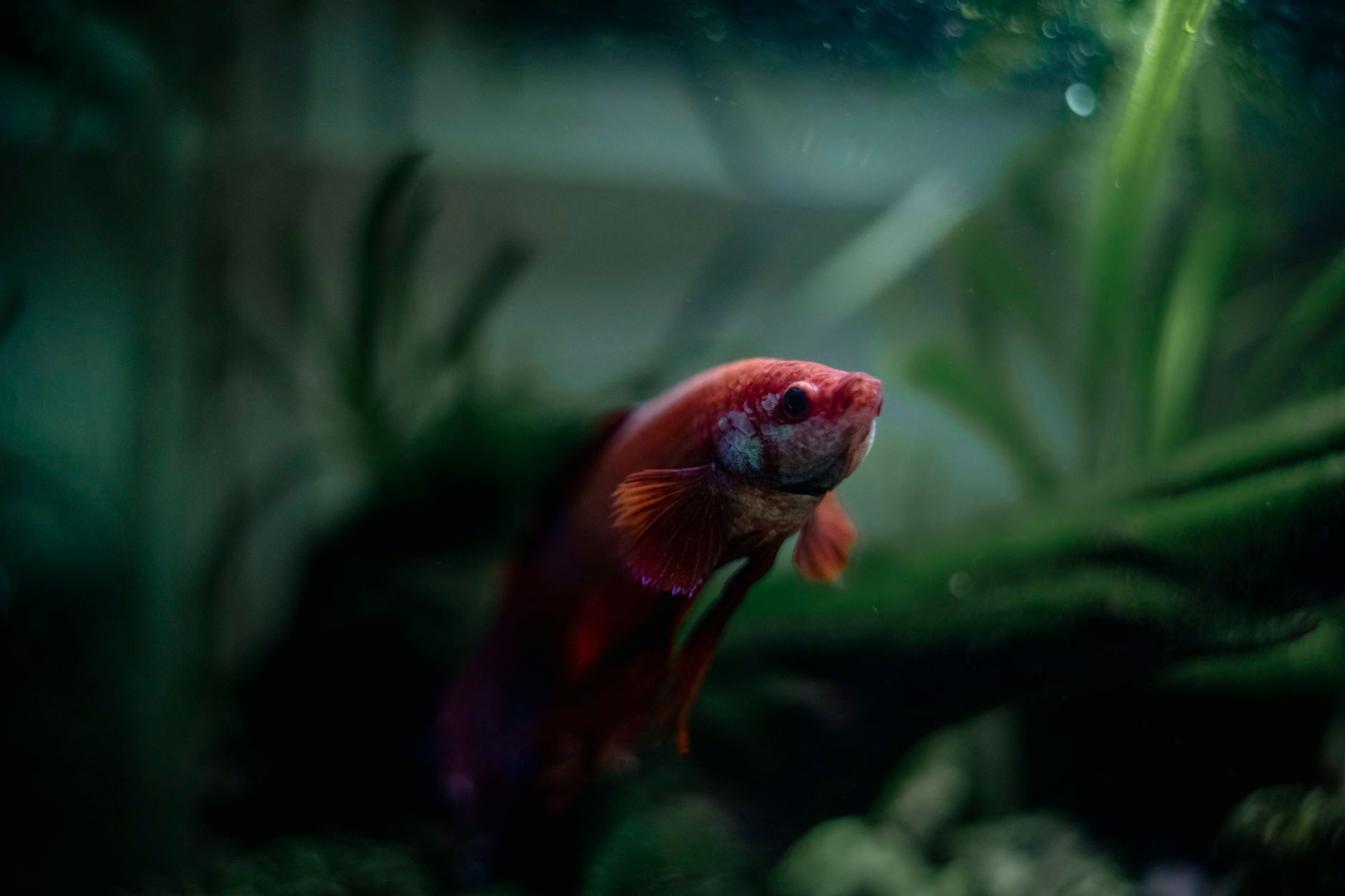
Keeping male and female bettas together permanently in a standard aquarium setting is almost always a recipe for disaster. The inherent aggression of both sexes leads to constant stress, injuries, and potential fatalities.
-
Constant Stress: The presence of a male can be incredibly stressful for a female, even if no immediate fighting is observed. Chronic stress weakens the immune system, making the fish susceptible to diseases.
-
Physical Injuries: Biting, chasing, and fin nipping are common occurrences in a mixed-sex betta tank. These injuries can range from minor tears to severe wounds that can become infected.
-
Breeding Attempts (and Their Risks): While some might consider housing males and females together for breeding purposes, this requires meticulous planning and observation. Uncontrolled breeding attempts often result in the male relentlessly pursuing the female, leading to her exhaustion and injury. Even successful breeding can be risky, as the male may become aggressive towards the female after spawning.
Breeding Betta Fish Responsibly
Breeding betta fish should only be undertaken by experienced aquarists who understand the complexities involved and can provide the necessary care for both the parents and the fry (baby fish).
-
Dedicated Breeding Tank: A separate breeding tank is essential, allowing for the controlled introduction and separation of the male and female.
-
Careful Observation: Constant monitoring is crucial to ensure the female’s safety. If she shows signs of excessive stress or injury, she must be immediately removed.
-
Post-Spawning Separation: After spawning, the female should be removed from the breeding tank to prevent the male from attacking her. The male will care for the eggs until they hatch and the fry are free-swimming.
-
Fry Care: Once the fry are free-swimming, the male should also be removed. The fry require specialized care, including frequent feeding and pristine water conditions.
Alternative Housing Options
If you’re considering keeping multiple bettas, here are some safer alternatives to housing males and females together:
-
Individual Tanks: The best option is to house each betta in its own separate tank (at least 5 gallons). This eliminates the risk of aggression and allows each fish to thrive.
-
Female Sorority (with caution): A group of female bettas can sometimes be kept together in a larger tank (at least 20 gallons), but this requires careful planning and monitoring. The tank should be heavily planted with plenty of hiding places to minimize aggression. Introducing all the females at the same time is recommended, and watch closely for excessive bullying.
-
Community Tank (with compatible species): Betta fish can sometimes be kept in a community tank with peaceful, non-aggressive tankmates, such as small tetras or corydoras catfish. However, the tank must be large enough to provide ample space for all the fish, and the betta should be carefully monitored for signs of aggression. Avoid fish with long, flowing fins that may be mistaken for other bettas.
| Housing Option | Pros | Cons |
|---|---|---|
| Individual Tanks | Eliminates aggression, allows each fish to thrive. | Requires more space and equipment. |
| Female Sorority | Can be visually appealing, more active than solitary bettas. | Requires a large tank, potential for aggression, requires careful monitoring. |
| Community Tank | Adds variety to the aquarium, can be a good option for experienced aquarists. | Requires careful selection of tankmates, potential for the betta to be bullied or the bully. |
Common Mistakes
Many betta keepers make critical errors that negatively impact their fish’s health and well-being. Recognizing and avoiding these blunders is crucial for responsible betta ownership.
-
Small Tanks: Housing bettas in extremely small tanks (less than 5 gallons) is detrimental to their health. Small tanks are difficult to maintain, leading to poor water quality and stress.
-
Lack of Filtration and Heating: Bettas require filtered and heated water to thrive. Without these essential components, the fish will be stressed and prone to diseases.
-
Overfeeding: Overfeeding is a common mistake that can lead to obesity and poor water quality. Bettas should only be fed a small amount of food once or twice a day.
-
Ignoring Water Quality: Regular water changes are essential for maintaining a healthy aquarium environment. Neglecting water changes can lead to a buildup of toxins that can harm the fish.
Frequently Asked Questions About Keeping Male and Female Bettas
Is it ever safe to keep a male and female betta together?
While rare, experienced breeders might briefly introduce a male and female for breeding purposes, but this requires careful observation and a controlled environment. It is never advisable to keep them together permanently in a standard aquarium.
What are the signs of aggression in betta fish?
Signs of aggression include chasing, fin nipping, flaring (displaying gills and fins), and biting. The fish may also appear stressed, displaying clamped fins and hiding frequently.
What should I do if my bettas are fighting?
Immediately separate the fighting bettas. Place each fish in its own individual tank to prevent further injuries. You may also need to treat injuries with medication if they are severe.
How do I set up a tank for a female betta sorority?
A female betta sorority requires a large tank (at least 20 gallons), plenty of hiding places (plants, caves), and careful monitoring. Introduce all the females at the same time to minimize aggression, and ensure there is enough space for everyone to establish their own territories.
What are the best tankmates for a betta fish in a community tank?
Suitable tankmates include peaceful, non-aggressive fish that won’t nip at the betta’s fins, such as small tetras (e.g., neon tetras, ember tetras) or corydoras catfish. Avoid fish with long, flowing fins or those that are known to be fin nippers.
How often should I do water changes in a betta tank?
Regular water changes are crucial for maintaining a healthy aquarium. Aim to change 25-50% of the water every week or two, depending on the size of the tank and the number of fish.
What is the ideal water temperature for betta fish?
Bettas thrive in warm water, with an ideal temperature range of 78-82°F (25-28°C). Use a heater to maintain a consistent temperature.
What should I feed my betta fish?
Bettas are carnivores and require a diet rich in protein. Feed them high-quality betta pellets or flakes, supplemented with live or frozen foods like bloodworms or brine shrimp.
How can I tell if my betta fish is sick?
Signs of illness in bettas include lethargy, loss of appetite, clamped fins, pale color, bloating, and visible sores or lesions. Seek veterinary advice if you suspect your fish is sick.
How big do betta fish get?
Bettas typically grow to be around 2-3 inches long.
What is the lifespan of a betta fish?
With proper care, bettas can live for 2-5 years.
Why is my male betta building a bubble nest?
Bubble nest building is a natural behavior for male bettas, indicating that they are ready to breed. While the presence of a bubble nest doesn’t guarantee successful breeding, it’s a sign that the fish is healthy and comfortable in its environment. It does not mean that you should introduce a female unless you are prepared to breed.