
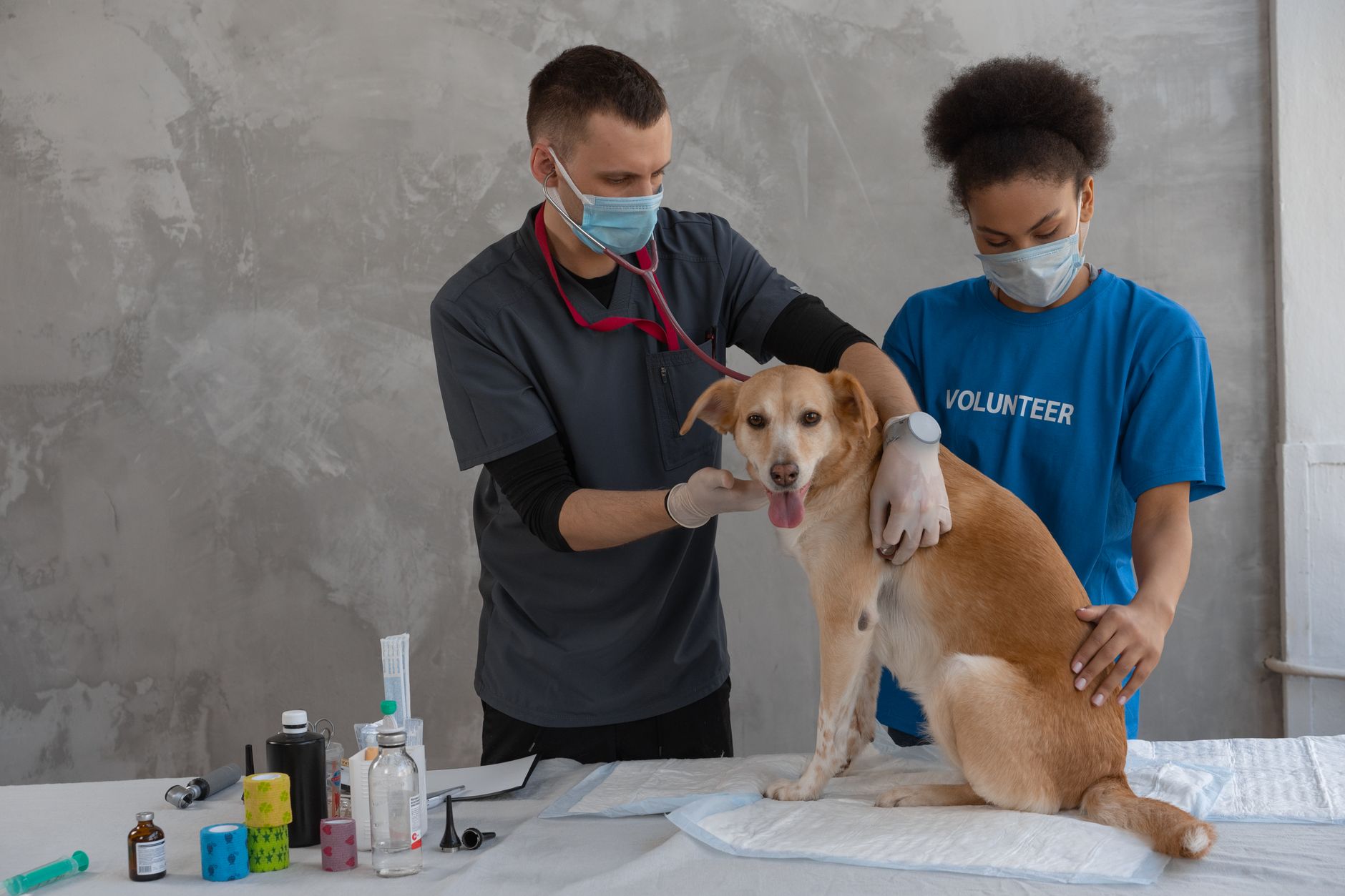
Can You Give a Puppy a Parvo Shot at 5 Weeks? Understanding Early Vaccination
The answer is complicated, but generally giving a puppy a parvo shot at 5 weeks is not ideal and rarely recommended. It’s usually too early for the vaccine to provide reliable protection due to maternal antibodies still circulating in the puppy’s system, which can neutralize the vaccine.
Why Vaccination Timing is Crucial
Vaccination is critical to protect puppies from devastating diseases like parvovirus (parvo), but timing is everything. Parvo is a highly contagious and potentially fatal viral disease that primarily affects puppies. Understanding how maternal antibodies interfere with vaccine effectiveness is essential for responsible pet ownership. Improper vaccination schedules can leave puppies vulnerable.
Is distilled water good for goldfish?
What colours are fish most attracted to?
Can you put your finger in a trout's mouth?
Is methylene blue anti bacterial?
Maternal Antibodies: A Double-Edged Sword
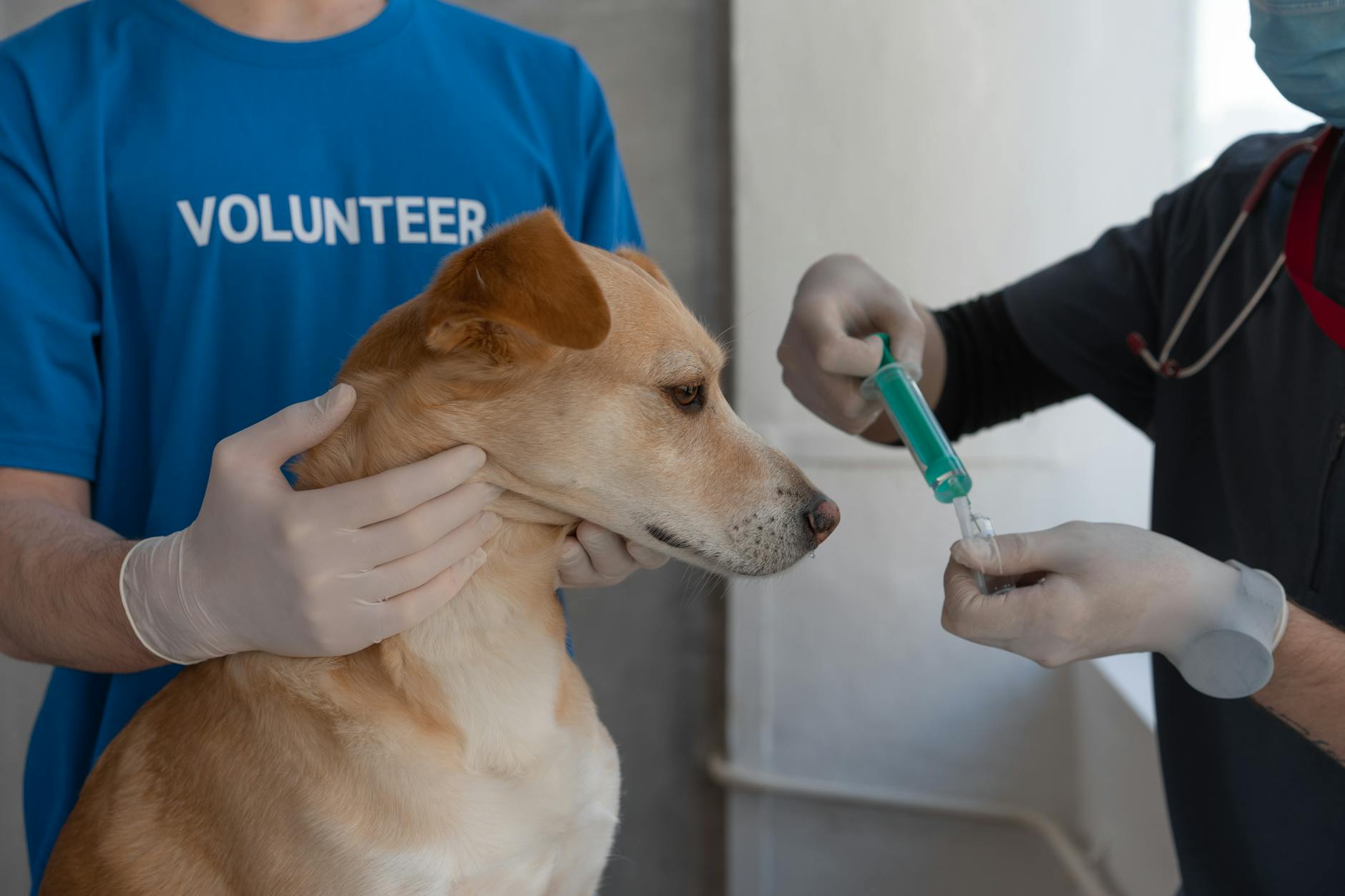
Puppies receive maternal antibodies from their mother through the placenta and colostrum (the first milk). These antibodies provide temporary protection against diseases to which the mother was immune. However, these same antibodies can interfere with vaccines.
- The precise level and duration of maternal antibody protection vary significantly between puppies, even within the same litter.
- When a vaccine is given while maternal antibodies are still high, the antibodies can neutralize the vaccine, preventing the puppy’s immune system from mounting a proper response.
- This leaves the puppy unprotected, even though they received a vaccination.
The Typical Vaccination Schedule for Puppies
The standard vaccination schedule for puppies aims to balance the need for early protection with the risk of maternal antibody interference. A typical parvo vaccination schedule looks like this:
- First vaccination: Between 6 and 8 weeks of age.
- Booster vaccinations: Every 3-4 weeks until the puppy is 16 weeks old.
- Annual or triennial booster: As recommended by your veterinarian, based on local disease prevalence and vaccine type.
While giving a puppy a parvo shot at 5 weeks isn’t typically recommended, a vet might advise it in very high-risk situations, such as an outbreak or specific concerns. However, it would necessitate a very close following booster schedule.
Reasons to Avoid Vaccinating at 5 Weeks (Unless Necessary)
There are several reasons why waiting until at least 6 weeks of age is usually recommended:
- Maternal antibody interference: As previously discussed, maternal antibodies are likely still present at 5 weeks, reducing vaccine effectiveness.
- Immature immune system: A 5-week-old puppy’s immune system is still developing, making it potentially less responsive to the vaccine.
- Stress: Vaccinating too early can add unnecessary stress to a young puppy.
When Early Vaccination Might Be Considered
In some exceptional circumstances, a veterinarian might recommend vaccinating a puppy against parvo earlier than 6 weeks. These situations are rare and usually involve a high risk of exposure.
- Outbreak: If there is a known parvo outbreak in the area, a veterinarian might recommend vaccinating puppies as early as 4-5 weeks, followed by frequent boosters.
- High-risk environment: Puppies born in shelters, breeding facilities with a history of parvo, or homes with known parvo contamination may benefit from earlier vaccination.
- Unknown maternal vaccination history: If the mother dog’s vaccination history is unknown, the puppies may be at higher risk because maternal antibody levels are unpredictable.
Consulting Your Veterinarian
The best course of action is always to consult with your veterinarian. They can assess your puppy’s individual risk factors and recommend the most appropriate vaccination schedule. A veterinarian can perform antibody titer tests to measure the levels of maternal antibodies in the puppy’s blood, providing a more accurate assessment of when vaccination will be most effective.
Steps to Protect Your Puppy Before Vaccination
Even before vaccination, you can take steps to protect your puppy from parvo:
- Isolation: Keep your puppy away from public places, dog parks, and other dogs until they are fully vaccinated.
- Hygiene: Practice good hygiene by washing your hands thoroughly after handling other dogs or being in public areas.
- Disinfection: If you suspect that your home or yard may be contaminated with parvo, disinfect the area with a bleach solution (1 part bleach to 32 parts water).
- Avoid Contaminated Areas: Avoid areas known to have parvo until your puppy is fully vaccinated.
Frequently Asked Questions (FAQs)
Can you give a puppy a parvo shot at 5 weeks? The general consensus remains that giving a puppy a parvo shot at 5 weeks is usually too early. Maternal antibodies are often still present and can render the vaccine ineffective. Consult with your vet to determine the best course of action.
Why is Parvo so dangerous for puppies? Parvo is dangerous because it attacks the puppy’s intestinal lining, causing severe vomiting and diarrhea, which leads to dehydration and potentially fatal secondary infections. It also attacks the bone marrow, suppressing the immune system, making the puppy even more vulnerable.
What are the symptoms of parvovirus in puppies? Key symptoms include severe lethargy, loss of appetite, fever (or low body temperature), vomiting, and bloody diarrhea. Immediate veterinary care is crucial if you suspect your puppy has parvo.
How is parvovirus treated in puppies? Treatment for parvo typically involves intensive supportive care, including IV fluids to combat dehydration, anti-emetics to control vomiting, and antibiotics to prevent secondary infections. Early and aggressive treatment significantly increases the chances of survival.
How long does parvovirus last in the environment? Parvovirus is incredibly hardy and can survive in the environment for many months, even years. It is resistant to many common disinfectants, making thorough cleaning essential.
What kind of disinfectant kills parvovirus? A bleach solution (1 part bleach to 32 parts water) is effective against parvovirus. Be sure to follow safety precautions when using bleach and to rinse surfaces thoroughly afterward.
Can older dogs get parvovirus? While parvo primarily affects puppies, unvaccinated or incompletely vaccinated adult dogs can also contract the disease. Vaccination is essential throughout a dog’s life.
What are the different types of parvo vaccines? There are modified-live and killed-virus parvo vaccines. Modified-live vaccines are generally considered more effective, but killed-virus vaccines may be safer for immunocompromised dogs.
What are the potential side effects of the parvo vaccine? The parvo vaccine is generally safe, but some puppies may experience mild side effects such as soreness at the injection site, lethargy, or a mild fever. Serious reactions are rare.
How often should a dog be vaccinated against parvo? After the initial puppy series, booster vaccinations are typically given annually or triennially, depending on the vaccine and the dog’s risk factors. Your veterinarian will advise on the best schedule.
What is a titer test, and how does it relate to parvo vaccination? A titer test measures the levels of antibodies against parvo in a dog’s blood. It can help determine if a dog is still protected from a previous vaccination or infection and may help avoid unnecessary revaccination.
If a puppy gets parvo, will they be immune to it for life? While a puppy who recovers from parvo will likely have some immunity, it’s not always lifelong or completely protective. Vaccination is still recommended to ensure optimal protection.