

Can You Eat Raw Catfish? The Surprising Truth
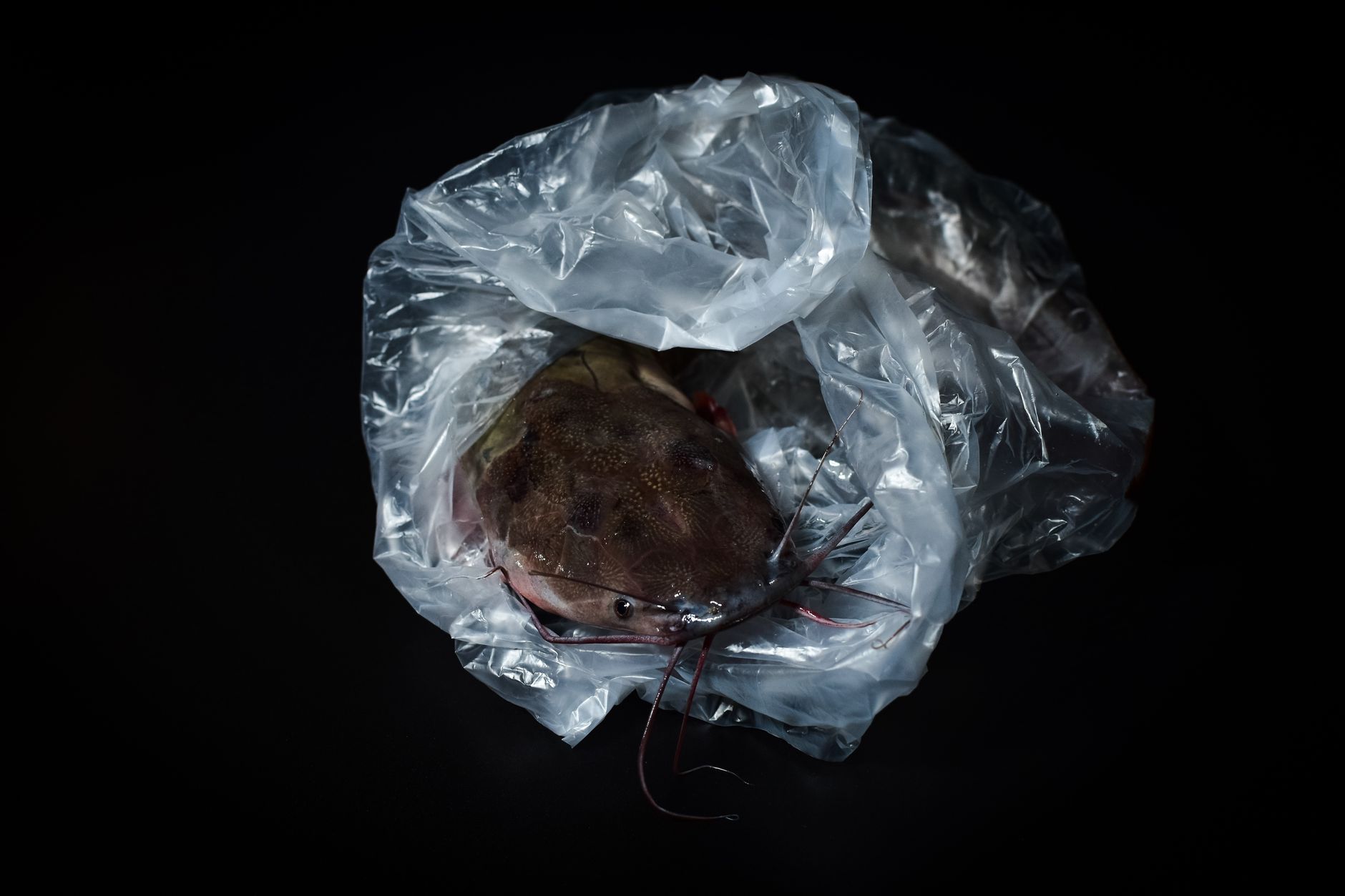
Consuming raw catfish is generally not recommended due to the high risk of parasites, bacteria, and other foodborne illnesses; therefore, it’s best to avoid it and enjoy catfish cooked.
Introduction to Eating Raw Fish
The allure of raw fish is undeniable. From the delicate slices of sashimi to the meticulously crafted sushi rolls, raw fish has become a culinary staple worldwide. However, not all fish are created equal when it comes to raw consumption. Factors like the fish’s natural habitat, diet, and handling practices significantly impact its safety. Can you eat raw catfish? The answer isn’t a straightforward yes or no, but rather a cautious and informed assessment of the potential risks involved.
What is the GREY African clawed frog?
Is distilled water good for goldfish?
What colours are fish most attracted to?
Can you put your finger in a trout's mouth?
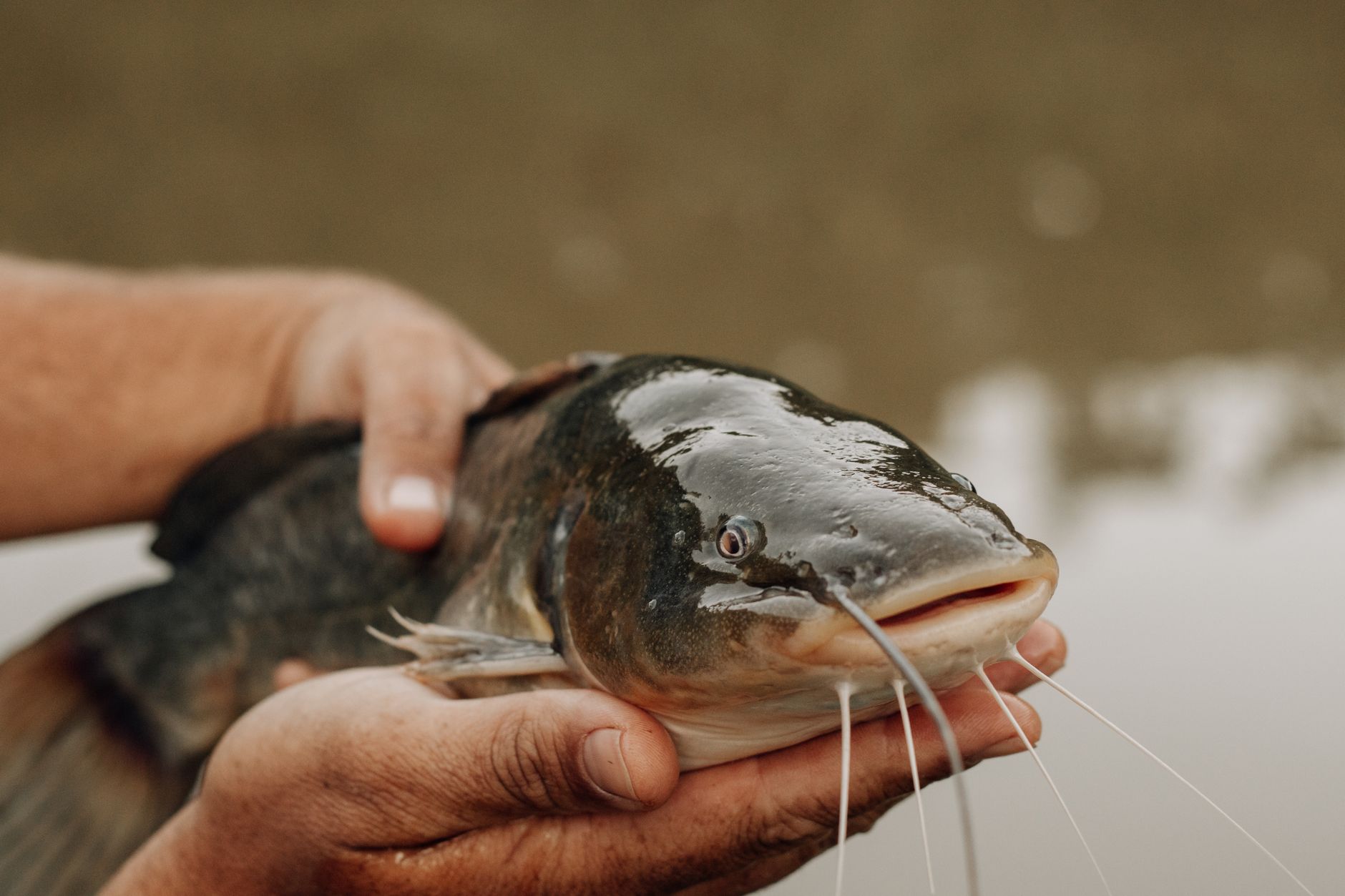
Why Catfish Is Different
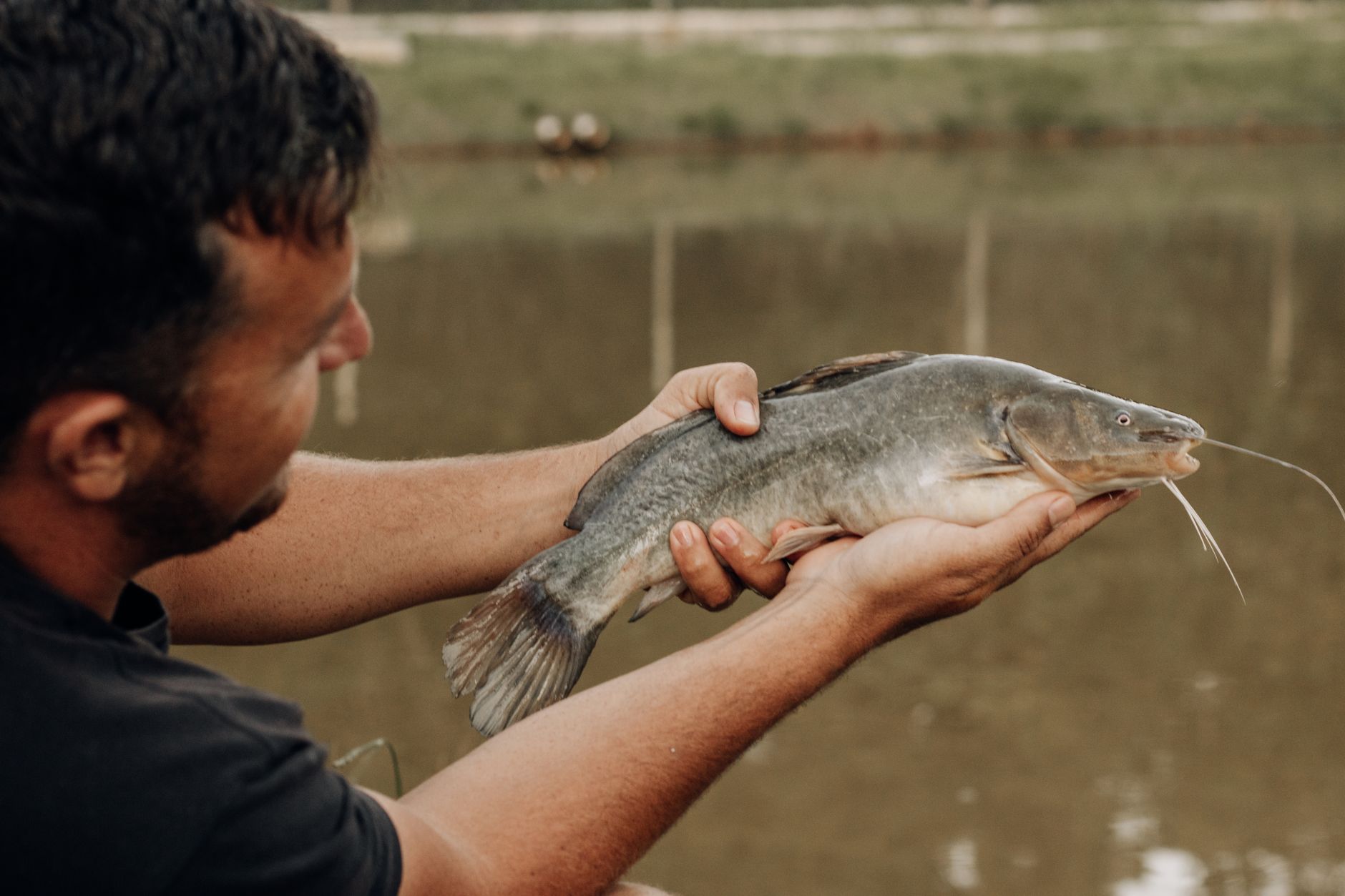
Catfish, typically bottom-dwelling freshwater fish, present unique challenges regarding raw consumption compared to their saltwater counterparts like tuna or salmon.
- Habitat: Freshwater environments are more prone to harboring parasites that can infect fish.
- Diet: Catfish are omnivores, meaning their diet can include a wider variety of organisms, increasing the likelihood of parasite ingestion.
- Farming Practices: While farmed catfish can be raised in controlled environments, the quality of water and feed significantly impacts safety.
Parasite Concerns
One of the biggest risks associated with eating raw catfish is the potential for parasite infestation. Several types of parasites can be found in freshwater fish, including:
- Roundworms (Nematodes): Anisakis is a common concern, causing symptoms like abdominal pain, vomiting, and diarrhea.
- Tapeworms (Cestodes): Broad fish tapeworms can grow to considerable lengths within the human intestine, leading to nutritional deficiencies and discomfort.
- Flukes (Trematodes): Liver flukes, lung flukes, and intestinal flukes can cause various health problems depending on the specific species and location of infection.
Proper cooking effectively kills these parasites, eliminating the risk of infection.
Bacterial Risks
Besides parasites, raw catfish can also harbor harmful bacteria.
- Salmonella: A common cause of food poisoning, leading to symptoms like diarrhea, fever, and abdominal cramps.
- E. coli: Certain strains of E. coli can cause severe diarrhea, bloody stools, and even kidney failure.
- Vibrio: Often found in warm waters, Vibrio bacteria can cause wound infections, gastroenteritis, and septicemia.
The Rare Exception: Sushi-Grade Catfish?
While extremely rare, some sources claim to offer “sushi-grade” catfish. However, the term “sushi-grade” is not legally regulated. It generally implies that the fish has been handled and processed to minimize the risk of parasites and bacteria, typically involving deep freezing.
Even with “sushi-grade” catfish, caution is advised. Verify the source’s reputation, handling practices, and adherence to strict food safety standards. Look for certification or documentation proving that the fish has undergone appropriate parasite mitigation procedures (e.g., freezing at -4°F (-20°C) for at least 7 days).
Cooking Catfish: A Safer Alternative
Cooking catfish is the most reliable way to eliminate the risks associated with parasites and bacteria. Ensure the fish reaches an internal temperature of 145°F (63°C). Cooking methods include:
- Frying: A popular method for crispy catfish fillets.
- Baking: A healthier option for preparing flavorful catfish.
- Grilling: Imparts a smoky flavor to catfish.
- Steaming: A gentle method that preserves the fish’s moisture.
Comparing Raw vs. Cooked Catfish
| Feature | Raw Catfish | Cooked Catfish |
|---|---|---|
| Risk | High risk of parasites and bacteria | Minimal risk of parasites and bacteria |
| Taste/Texture | Potentially slimy, milder flavor | Varies depending on cooking method |
| Digestibility | Potentially harder to digest | Easier to digest |
| Safety | Generally not recommended | Safe when cooked to proper internal temperature |
Alternatives to Raw Catfish
If you’re looking for the unique flavors and textures of raw fish, consider safer alternatives such as:
- Sushi-Grade Tuna: Widely available and rigorously inspected.
- Sushi-Grade Salmon: Known for its rich flavor and health benefits.
- Other Cooked Fish Options: Explore various preparations of cooked fish, like ceviche (which uses citrus juices to “cook” the fish).
Frequently Asked Questions (FAQs)
Is it ever safe to eat raw catfish?
While theoretically possible if the catfish is sourced from a reputable supplier guaranteeing specific handling and freezing processes to kill parasites, it is extremely risky and not generally recommended due to the potential for severe health consequences.
What are the symptoms of parasite infection from raw fish?
Symptoms vary depending on the type of parasite, but common signs include abdominal pain, diarrhea, vomiting, nausea, fever, and weight loss. In some cases, parasite infections can lead to more serious complications and require medical intervention.
How can I tell if catfish is truly “sushi-grade”?
There is no regulated definition of “sushi-grade.” Ask detailed questions about the source’s handling procedures, particularly regarding freezing protocols and certification for parasite control. If they can’t provide verifiable documentation, avoid it.
What is the best way to cook catfish to ensure it’s safe to eat?
Cook catfish to an internal temperature of 145°F (63°C). Use a food thermometer to ensure accurate temperature readings. Fish will become opaque and flake easily when cooked through, indicating that it is safe to eat and that harmful parasites and bacteria have been killed.
Can freezing catfish at home make it safe to eat raw?
Home freezers may not reach temperatures low enough or maintain them for a sufficient duration to reliably kill all parasites. Commercial freezing processes are specifically designed for this purpose, and attempting to replicate them at home is not advised.
Is wild-caught or farmed catfish safer to eat raw?
Neither wild-caught nor farmed catfish is inherently safe to eat raw. Both can harbor parasites and bacteria. Farmed catfish might have slightly lower risk if raised in controlled environments with strict feeding and water quality standards, but this is not a guarantee of safety. Proper cooking remains essential, and raw consumption should be avoided.
Does marinating catfish in lemon juice or vinegar kill parasites?
Marinating fish in acidic solutions like lemon juice or vinegar can partially denature proteins and change the texture, but it does not reliably kill all parasites or bacteria. Ceviche, for example, while delicious, still carries a small risk.
Are there any health benefits to eating raw catfish that are lost when it’s cooked?
While cooking might slightly reduce the concentration of some nutrients, the risks associated with eating raw catfish significantly outweigh any potential benefits. You can obtain comparable nutrients from other, safer food sources. Focus on eating a balanced diet of safely prepared foods.
How long does catfish need to be frozen to kill parasites?
According to FDA guidelines, freezing fish at -4°F (-20°C) for at least 7 days can effectively kill parasites. However, this requires specialized commercial freezing equipment and cannot be replicated in a standard home freezer.
What are the long-term health consequences of parasite infections from raw fish?
Long-term consequences depend on the specific parasite and the severity of the infection. Chronic infections can lead to malnutrition, organ damage, and other health problems. Prompt medical treatment is crucial to minimize long-term damage, and prevention through thorough cooking is key.
If I’ve eaten raw catfish and feel sick, what should I do?
If you experience symptoms like abdominal pain, diarrhea, vomiting, or fever after eating raw catfish, seek medical attention immediately. Describe your symptoms and inform your doctor that you consumed raw fish so they can order appropriate tests and prescribe treatment. Early diagnosis and treatment are essential for managing parasite and bacterial infections.
Can you eat raw catfish in small amounts?
Even consuming small amounts of raw catfish can expose you to parasites and bacteria. There is no safe amount when it comes to raw consumption, and the risk remains. Therefore, it is always best to avoid raw catfish entirely.