

Can Ticks Swim Back Up the Toilet? Unveiling the Truth
No, while ticks can survive in water for short periods, it is highly unlikely that they could successfully swim back up a toilet due to the plumbing system’s design and powerful flushing action.
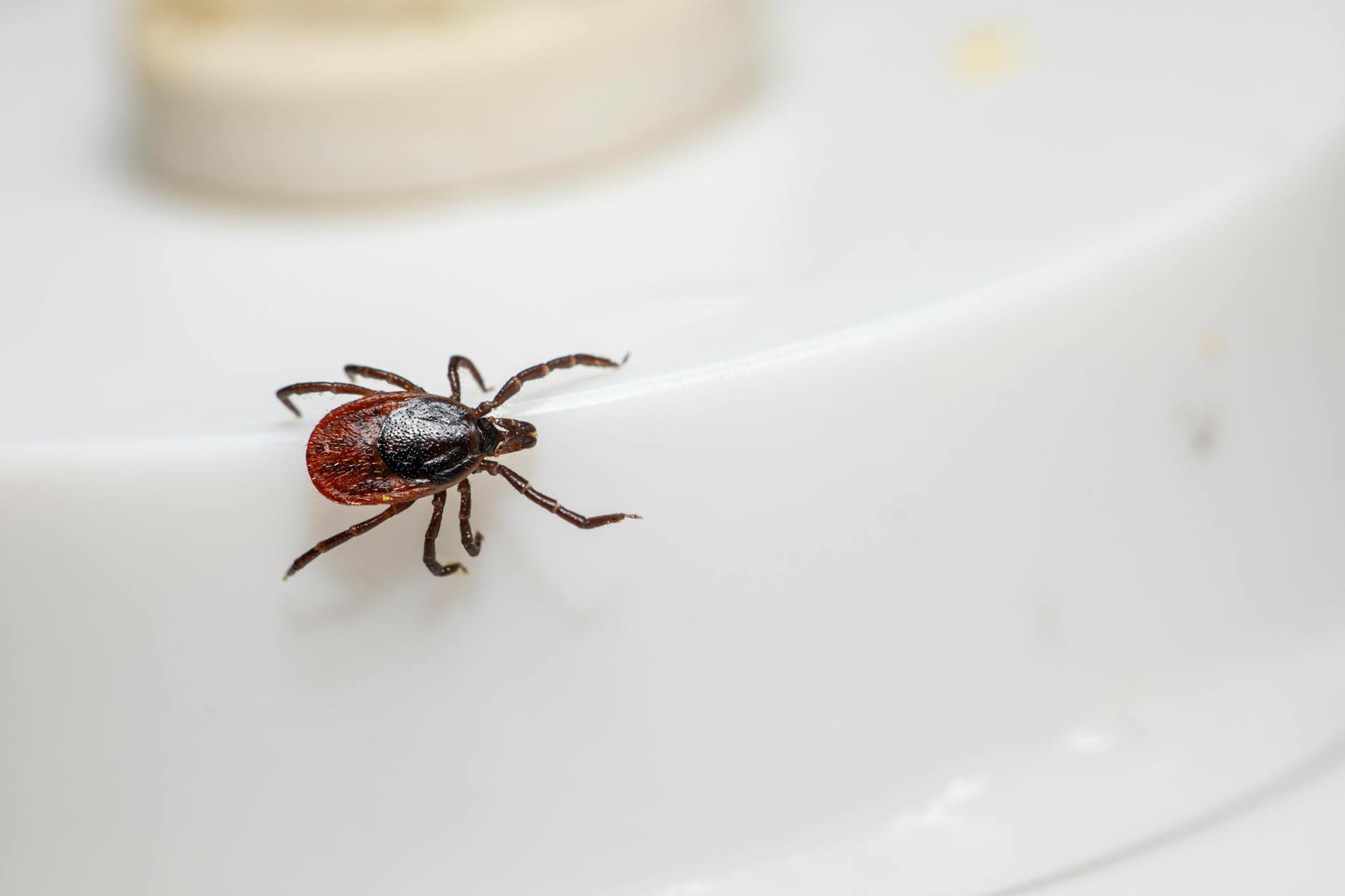
Introduction: Tick Biology and Their Aquatic Abilities
Ticks are parasitic arachnids known for their blood-feeding habits. While they are primarily terrestrial creatures, concerns often arise about their ability to survive in aquatic environments, particularly within the confines of a home’s plumbing system. Understanding the biological capabilities of ticks is crucial to addressing the question: Can ticks swim back up the toilet?

Is distilled water good for goldfish?
What colours are fish most attracted to?
Can you put your finger in a trout's mouth?
Is methylene blue anti bacterial?
Tick Survival in Water: A Temporary Reprieve

Ticks possess a cuticle, a protective outer layer, which provides some resistance to water submersion. This cuticle is not waterproof, however.
- Ticks can survive for 2-3 days submerged in water, provided it’s relatively still and they have some access to air.
- The primary threat to a tick in water is drowning, as water eventually penetrates their respiratory system.
Plumbing Systems: An Unfriendly Environment
The design of typical plumbing systems presents significant obstacles to any creature attempting to swim upwards.
- Water Pressure: The force of a flush is designed to move waste downward and away from the toilet.
- S-Traps: The “S” bend in toilet pipes (and other drains) is designed to hold water and prevent sewer gases from entering the home. This creates a water barrier that would be extremely difficult for a tick to overcome.
- Pipe Diameter: The diameter of drainpipes is significantly larger than a tick, reducing any potential for grip or purchase to aid in upward movement.
Can Ticks Swim Back Up the Toilet?: Addressing the Core Question
So, can ticks swim back up the toilet? The answer, as stated above, is highly improbable. While a tick might inadvertently find its way into a toilet bowl (perhaps falling from a person or pet), the combination of its limited swimming ability, the harsh environment of the plumbing system, and the constant downward flow of water make the journey virtually impossible.
Mitigation Strategies: Preventing Tick Encounters
While the risk of ticks swimming back up the toilet is minimal, preventative measures are always recommended, particularly in areas with high tick populations.
- Check Yourself and Pets: Regularly inspect yourself and your pets for ticks after spending time outdoors.
- Landscaping: Keep lawns mowed and brush cleared to reduce tick habitats around your home.
- Tick Repellents: Use appropriate tick repellents when venturing into tick-prone areas.
Understanding Tick Biology Table
| Feature | Description |
|---|---|
| Cuticle | Protective outer layer that provides some water resistance but is not waterproof. |
| Respiration | Ticks breathe through spiracles, openings on their body, which can be blocked by water. |
| Mobility | Primarily terrestrial, with limited swimming ability. |
| Preferred Habitat | Grassy, wooded areas with high humidity. |
| Survival in Water | Can survive for a few days if submerged, but prone to drowning. High flow and pressure can reduce survival to minutes, if not seconds. |
Frequently Asked Questions (FAQs)
If a tick falls into the toilet, will it die?
Yes, eventually. While ticks can survive in water for a short period, they will eventually drown if they cannot escape. The flushing action of the toilet accelerates this process.
Could a tick survive flushing and reach the sewer system?
Yes, it is possible for a tick to survive a flush and enter the sewer system, but its chances of survival there are slim. Sewers are generally inhospitable environments for ticks.
Is it possible for ticks to enter my home through the pipes?
It is extremely unlikely. Ticks are not aquatic creatures and are unlikely to navigate the complex plumbing system to enter your home. The more likely scenario is that they enter your home on clothing or pets.
What should I do if I find a tick in my toilet bowl?
The best course of action is to flush the tick immediately. Ensure that the flush is complete to prevent it from lingering in the bowl. You can also use a disposable glove and flush it or put it in a sealable container.
Are certain species of ticks more likely to survive in water?
There is no evidence to suggest that certain tick species are significantly more adapted to aquatic environments than others. All ticks are primarily terrestrial.
Does the type of toilet (e.g., low-flow) affect a tick’s chances of survival?
A low-flow toilet might provide slightly more opportunity for a tick to survive the initial flush, but the plumbing system itself remains a significant barrier to any upward movement. However, it would still be a temporary reprieve at best.
Can ticks climb smooth surfaces, such as the inside of a toilet bowl?
Ticks have difficulty climbing smooth, vertical surfaces. This further reduces the likelihood of them escaping the toilet bowl.
Can ticks survive in chlorinated water?
Chlorine is harmful to ticks. Exposure to chlorinated water will significantly reduce their survival time.
Are there any documented cases of ticks swimming up toilets?
There are no credible documented cases of ticks successfully swimming up toilets and infesting homes. This scenario is largely theoretical and not supported by evidence.
What are the best ways to prevent ticks from entering my home?
- Regularly check yourself and pets for ticks.
- Maintain your yard by mowing the lawn and clearing brush.
- Use tick repellents when outdoors.
- Seal any cracks or openings in your home’s foundation.
Could a tick lay eggs in the toilet bowl?
It is highly unlikely that a tick would lay eggs in a toilet bowl. Ticks prefer to lay their eggs in sheltered, humid environments, such as leaf litter or soil.
If I have a well instead of city water, does that change the likelihood of ticks in my toilet?
No, having a well instead of city water does not significantly increase the likelihood of ticks appearing in your toilet. The source of water is less relevant than the plumbing system’s inherent barriers. Water hardness and mineral content might affect tick longevity slightly, but not their ability to travel upward through plumbing.