
Can Snakes Have Their Fangs Removed? A Deep Dive
The question of “Can snakes have their fangs removed?” is a complex one. While a procedure known as defanging exists, it is cruel, unethical, and generally ineffective as a long-term solution.
The Ethical and Biological Background
The removal of a snake’s fangs, or defanging, is a controversial practice with significant implications for the animal’s well-being and survival. It stems from a desire to keep venomous snakes as pets or use them in displays without the perceived risk of envenomation. However, it’s essential to understand the biological role of fangs and the consequences of their removal.
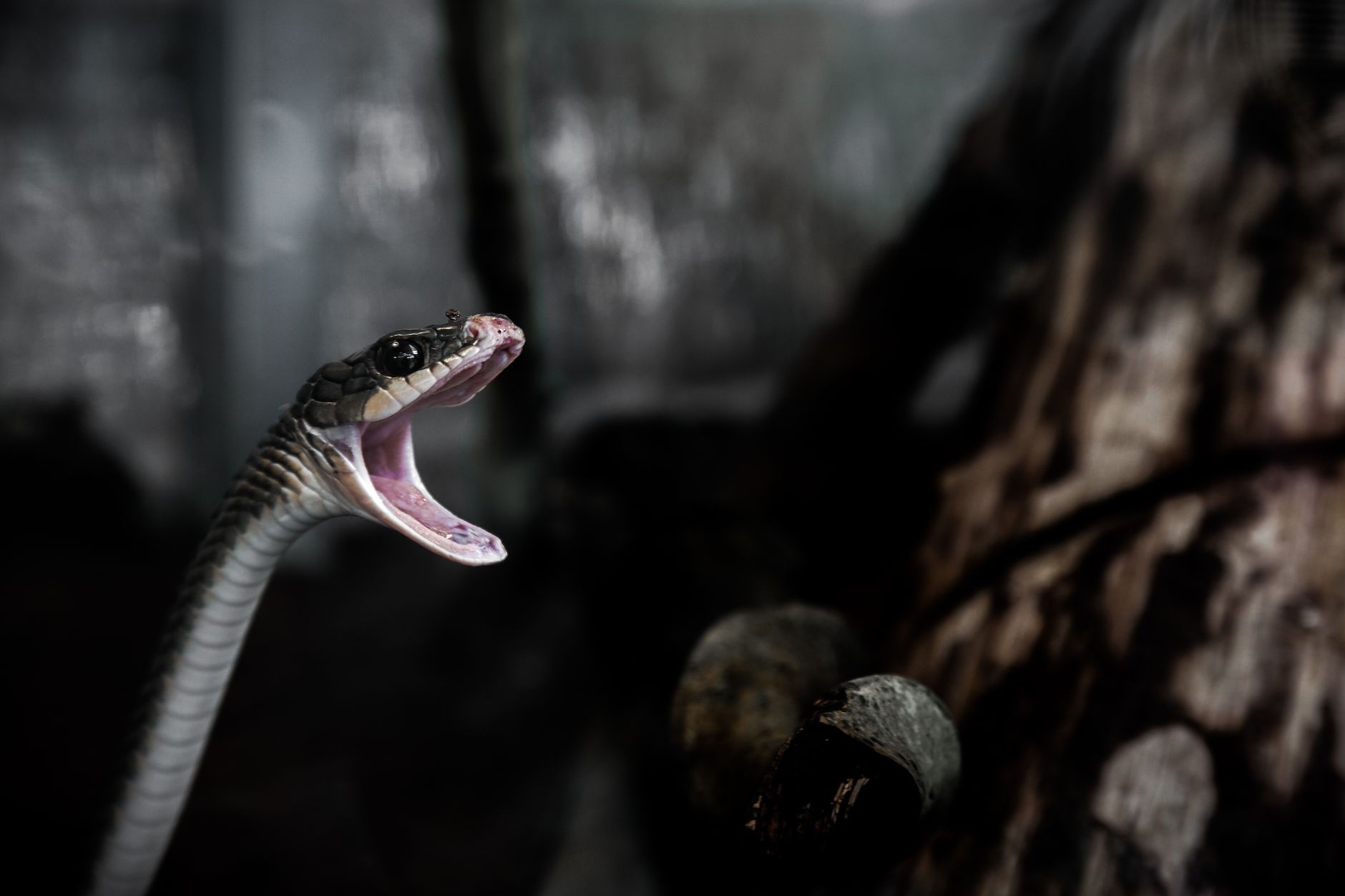
- Fangs and Venom Delivery: Snakes’ fangs are specialized teeth that are used to inject venom into their prey. The venom is crucial for subduing and digesting food.
- Natural Fang Replacement: Many venomous snakes, particularly those with hinged fangs, naturally shed and replace their fangs throughout their lives. This natural process is distinct from the artificial and damaging process of defanging.
- Ethical Concerns: The primary ethical concern is the inherent cruelty of the procedure. Removing fangs causes pain and stress to the snake. Additionally, it significantly hinders their ability to hunt, eat, and defend themselves.
- Alternative Solutions: Ethical alternatives to defanging exist, including proper snake handling techniques, secure enclosure design, and focusing on keeping non-venomous snakes.

Can you have a pet giant tortoise?
Do all amphibians have eyelids?
Can you get hognose snakes in Australia?
Why do cuttlefish have W-shaped eyes?
The Defanging Process: What It Entails

The defanging process is often misrepresented as a simple tooth extraction. In reality, it can involve different methods, each with its own set of risks:
- Complete Fang Extraction: This involves pulling the entire fang, root and all, which is incredibly painful and traumatic. The root of the fang is deeply embedded in the jawbone.
- Fang Blunting or Filing: This method involves shortening or filing down the fangs. This offers only a temporary solution and requires repeated procedures, causing chronic irritation and increasing the risk of infection.
- Surgical Removal of Venom Glands: This is an extremely invasive and dangerous surgery that carries a high risk of complications and mortality. It not only removes the fangs but also compromises the snake’s venom production system.
Regardless of the method used, defanging leaves the snake vulnerable and unable to perform essential life functions.
Complications and Negative Impacts
The removal or alteration of a snake’s fangs can lead to a multitude of complications:
- Infection: Open wounds from the extraction process are susceptible to bacterial and fungal infections.
- Mouth Rot (Infectious Stomatitis): This is a common and painful condition that affects the mouth lining and can lead to systemic illness.
- Difficulty Eating: Without fangs, snakes struggle to grip and subdue prey. They may experience starvation and malnutrition.
- Jaw Damage: The force required to remove fangs can cause damage to the jawbone, leading to chronic pain and deformities.
- Increased Stress and Anxiety: The painful procedure and subsequent difficulty in feeding cause chronic stress in the snake.
- Regrowth and Potential Damage: If the entire fang root is not removed, the fang can regrow in a deformed or impacted manner, causing further pain and complications.
These complications highlight the significant welfare concerns associated with defanging.
The Myth of Permanent Defanging
It is a common misconception that defanging is a permanent solution. However, many snakes can regrow their fangs, either fully or partially, especially if the entire root wasn’t removed. This regrowth can lead to several issues:
- Sharp, Malformed Regrowth: The new fangs can be irregular in shape and position, causing injury to the snake itself or, potentially, to the handler.
- Recurring Procedures: The need for repeated defanging procedures perpetuates the cycle of pain and stress for the snake.
- False Sense of Security: Owners may develop a false sense of security, believing their snake is harmless when it can still inflict a painful bite or, in some cases, inject a weakened dose of venom if the venom glands remain.
Alternatives to Defanging: Responsible Snake Ownership
Instead of resorting to defanging, responsible snake ownership should focus on creating a safe and enriching environment for both the snake and the owner.
- Secure Enclosures: Use escape-proof enclosures with secure locking mechanisms.
- Proper Handling Techniques: Learn and practice safe handling techniques to minimize stress for the snake and reduce the risk of bites.
- Education and Awareness: Educate yourself about the specific species of snake you own, including its behavior, venom potency, and specific needs.
- Choosing Non-Venomous Species: If you are concerned about the risk of venom, consider keeping non-venomous snake species.
- Professional Consultation: Consult with a qualified herpetologist or veterinarian for advice on snake care and handling.
- Respecting the Animal: Recognize that venomous snakes are not inherently dangerous but require respect and caution.
- Focus on Conservation: Support conservation efforts to protect snake habitats and populations.
| Alternative | Description | Benefits |
|---|---|---|
| Secure Enclosures | Utilizing robust, escape-proof enclosures with secure locking mechanisms. | Prevents escapes, minimizing risk to both the snake and the environment. |
| Proper Handling | Employing careful and respectful handling techniques to minimize stress and the likelihood of defensive bites. | Reduces stress for the snake, fosters a positive relationship, and lowers the risk of bites. |
| Non-Venomous Species | Choosing to keep non-venomous snakes as pets. | Eliminates the risk of venomous bites entirely, providing peace of mind. |
| Professional Guidance | Consulting with experienced herpetologists or veterinarians for advice. | Ensures appropriate care, handling, and management of the snake’s health and well-being. |
Frequently Asked Questions (FAQs)
Why is defanging considered unethical?
Defanging is considered unethical because it is a painful and invasive procedure that significantly impairs a snake’s ability to hunt, eat, and defend itself. It also carries a high risk of complications and can lead to chronic suffering.
Can snakes still bite after being defanged?
Yes, defanged snakes can still bite. While they may not be able to inject venom (depending on the defanging method and whether the venom glands were affected), their bites can still be painful and prone to infection. Furthermore, regrown fangs can be sharp and irregular.
Is defanging a permanent solution?
No, defanging is not a permanent solution. Snakes can often regrow their fangs, especially if the entire root is not removed during the procedure.
What are the alternatives to defanging for pet snakes?
The best alternatives to defanging include secure enclosures, proper handling techniques, choosing non-venomous species, and consulting with qualified herpetologists or veterinarians.
Does defanging affect a snake’s ability to eat?
Yes, defanging significantly impacts a snake’s ability to eat. Without fangs, snakes struggle to grip and subdue their prey, often leading to starvation and malnutrition.
Can defanging cause other health problems in snakes?
Yes, defanging can lead to various health problems, including infections, mouth rot, jaw damage, and increased stress.
Is it illegal to defang a snake?
The legality of defanging varies by location. In some regions, it may be considered animal cruelty and is therefore illegal. It’s crucial to check local regulations.
What should I do if I own a venomous snake and am concerned about bites?
If you own a venomous snake and are concerned about bites, focus on creating a secure enclosure, learning proper handling techniques, and seeking guidance from a qualified herpetologist or veterinarian. Avoid handling the snake unnecessarily.
How does defanging affect a snake’s behavior?
Defanging can lead to increased stress and anxiety in snakes due to the pain and difficulty in feeding. This can manifest as erratic or aggressive behavior.
Is it possible to safely handle venomous snakes without defanging?
Yes, it is possible to safely handle venomous snakes without defanging by using proper handling techniques, wearing appropriate protective gear (if necessary), and minimizing handling. It requires respect and knowledge.
How can I find a qualified herpetologist or veterinarian to help with snake care?
You can find a qualified herpetologist or veterinarian by contacting local reptile rescues, herpetological societies, or veterinary associations. Ensure they have experience with venomous snakes.
What are the ethical considerations of keeping venomous snakes as pets?
The ethical considerations of keeping venomous snakes as pets revolve around ensuring the snake’s welfare, minimizing the risk to humans and the environment, and supporting conservation efforts. Defanging is incompatible with these considerations.