

Can Sharks Eat Dolphins? A Deep Dive into Predator-Prey Dynamics
Can sharks eat dolphins? While it’s not the norm, the answer is definitively yes. Sharks can and do occasionally prey on dolphins, although the frequency and circumstances surrounding these events are complex.
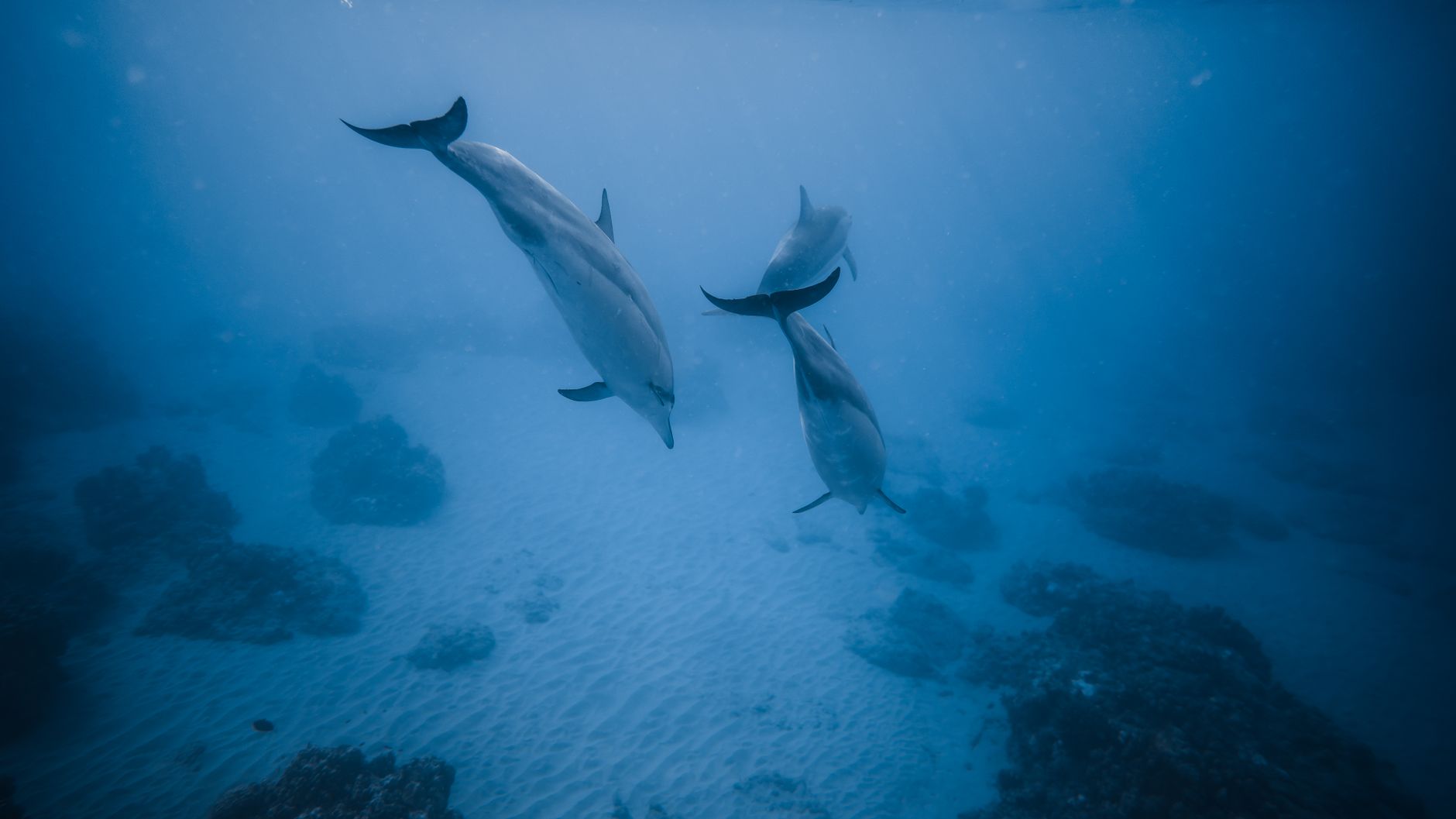
The Realities of Marine Predation
The ocean is a vast and complex ecosystem where predator-prey relationships play a vital role. Understanding where sharks and dolphins fit within this ecosystem requires a look at their respective positions in the food chain, their habitats, and their interactions. It’s important to note that “shark” and “dolphin” are broad terms encompassing a vast array of species, each with its own unique characteristics and behaviors. Therefore, generalizations must be made with caution.

What is the GREY African clawed frog?
Is distilled water good for goldfish?
What colours are fish most attracted to?
Can you put your finger in a trout's mouth?
Sharks as Apex Predators

Sharks are renowned as apex predators, sitting near the top of the marine food web. Their success is built on a combination of sharp teeth, powerful jaws, and keen senses. While some sharks primarily feed on smaller fish and invertebrates, others, like the Great White shark, the Tiger shark, and the Bull shark, are capable of taking down large marine mammals. These larger sharks are the ones most likely to prey on dolphins.
Dolphins: Intelligence and Social Structure
Dolphins, on the other hand, are highly intelligent and social marine mammals. They live in pods, which provide them with a strong defense mechanism. Their intelligence allows them to develop complex hunting strategies and communication skills. These factors make them a challenging prey for even the largest sharks. Their speed and agility also play a crucial role in their ability to evade predators.
Habitat Overlap and Opportunity
While sharks and dolphins often coexist in the same marine environments, the likelihood of predation depends on several factors, including the specific species of shark and dolphin involved, the geographic location, and the availability of other prey. When prey is scarce, or when a dolphin is injured or vulnerable, the opportunity for a shark attack increases.
Factors Contributing to Shark Attacks on Dolphins
Several factors can contribute to a shark preying on a dolphin:
- Size and Species: Larger sharks, such as Great Whites and Tiger sharks, are more likely to target dolphins.
- Vulnerability: Injured, sick, or young dolphins are easier targets.
- Location: Areas where shark and dolphin populations overlap significantly increase the chances of interaction.
- Prey Availability: When other prey is scarce, sharks may be more likely to target dolphins.
- Opportunistic Feeding: Sharks are often opportunistic feeders and will take advantage of any available food source.
Documented Cases and Evidence
There have been documented cases and photographic evidence of sharks preying on dolphins. Bite marks on dolphin carcasses and eyewitness accounts confirm that these interactions occur. However, these events are relatively rare, suggesting that dolphins are not a primary food source for most sharks.
Defensive Strategies of Dolphins
Dolphins possess a range of defensive strategies to protect themselves from sharks:
- Pod Defense: Dolphins will often work together as a pod to deter sharks, using their numbers to confuse and harass the predator.
- Ramming: Dolphins may ram sharks with their rostrum (snout), inflicting injuries.
- Echolocation: Dolphins use echolocation to detect sharks from a distance and avoid them.
- Speed and Agility: Dolphins are fast and agile swimmers, making them difficult to catch.
Summary of Factors Affecting Predation
| Factor | Impact on Predation Risk |
|---|---|
| Shark Size | Larger = Higher Risk |
| Dolphin Vulnerability | Increased = Higher Risk |
| Habitat Overlap | Higher = Higher Risk |
| Prey Availability | Lower = Higher Risk |
| Pod Size | Larger = Lower Risk |
Frequently Asked Questions (FAQs)
Is it common for sharks to eat dolphins?
No, it’s not common. While can sharks eat dolphins?, it’s important to note that dolphins are not a primary food source for most sharks. Attacks are relatively rare and often opportunistic.
Which sharks are most likely to prey on dolphins?
The Great White shark, Tiger shark, and Bull shark are among the species most likely to prey on dolphins due to their size and predatory capabilities.
Do dolphins ever fight back against sharks?
Yes, dolphins do fight back. They use their collective intelligence and social structure to defend themselves, often ramming sharks or harassing them as a pod.
Are baby dolphins more vulnerable to shark attacks?
Yes, baby dolphins are indeed more vulnerable. Their lack of experience and smaller size make them easier targets for sharks. Adult dolphins fiercely protect their young.
How do dolphins use echolocation to avoid sharks?
Dolphins use echolocation to create a “sound image” of their surroundings, allowing them to detect sharks from a distance and avoid potential encounters. This bio-sonar is a crucial survival tool.
Do sharks only attack dolphins when they are injured?
No, sharks can and do attack healthy dolphins, but injured or sick dolphins are generally easier targets and therefore more likely to be attacked. Opportunistic feeding is a key behavior for many shark species.
Is there any evidence of sharks and dolphins coexisting peacefully?
Yes, there are numerous instances of sharks and dolphins coexisting peacefully. They often share the same waters without conflict, highlighting the fact that predation is not a constant state of affairs.
Does the presence of humans affect shark-dolphin interactions?
Indirectly, yes. Human activities such as overfishing and habitat destruction can impact prey availability, potentially increasing the likelihood of shark attacks on dolphins.
Can a group of dolphins successfully defend themselves against a large shark?
Yes, a pod of dolphins can often successfully defend themselves. Their coordinated attacks and harassment tactics can deter even large sharks. There is power in numbers.
What kind of injuries can a dolphin inflict on a shark during a fight?
Dolphins can inflict serious injuries on sharks by ramming them with their rostrum, potentially damaging their internal organs or causing significant trauma.
Are there specific geographic locations where shark-dolphin interactions are more frequent?
Yes, certain coastal areas where shark and dolphin populations overlap significantly may see more frequent interactions. However, specific data on these “hotspots” is often limited.
If I see a shark and a dolphin together, should I be worried about the dolphin?
While a shark’s presence is always a potential threat, it doesn’t necessarily mean the dolphin is in immediate danger. Observe their behavior; if the dolphins are acting defensively or aggressively towards the shark, then there might be a reason for concern. Generally, it’s best to maintain a safe distance and avoid interfering.