

Can Red-Eared Sliders Thrive in Salt Water Environments?
No, red-eared sliders cannot live in salt water. These freshwater turtles are highly sensitive to salinity and prolonged exposure will lead to dehydration, organ damage, and ultimately, death.
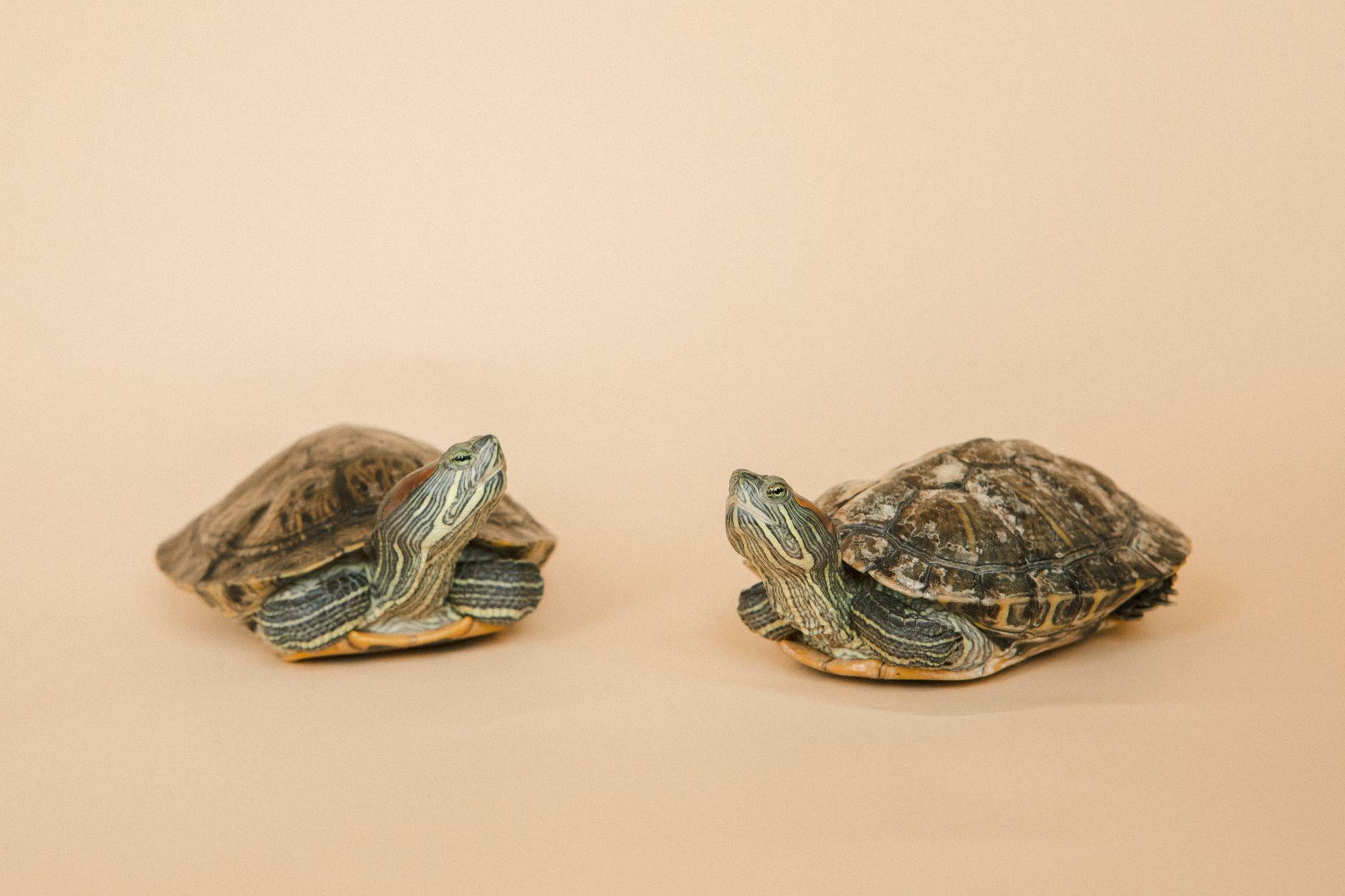
Understanding Red-Eared Slider Biology
The red-eared slider (Trachemys scripta elegans) is one of the most popular pet turtles in the world. Native to the southeastern United States and northeastern Mexico, they thrive in freshwater habitats such as ponds, lakes, and slow-moving rivers. Understanding their specific physiological needs is crucial for responsible pet ownership. Unlike marine turtles or some brackish water species, red-eared sliders lack the necessary adaptations to regulate salt intake and excrete excess sodium.

Can planaria live in bottled water?
Can fish hear water?
How do I add oxygen to my goldfish water?
Do carbon filters remove water hardness?
The Dangers of Salt Water Exposure

The biggest danger salt water poses to red-eared sliders is dehydration. The turtles’ bodies are designed to maintain a specific water and salt balance. When exposed to salt water, the osmotic pressure pulls water out of the turtle’s body, trying to equalize the salt concentration. This rapid dehydration can lead to several detrimental effects:
- Kidney Damage: The kidneys have to work overtime to try and filter the excess salt, leading to potential damage and failure.
- Organ Failure: Dehydration affects all vital organs, impairing their functions and potentially leading to organ failure.
- Electrolyte Imbalance: Salt water disrupts the delicate balance of electrolytes in the turtle’s body, causing neurological problems and muscle weakness.
- Death: Prolonged exposure to salt water is inevitably fatal for red-eared sliders.
Comparing Freshwater and Saltwater Turtles
It is important to distinguish between freshwater turtles like red-eared sliders and saltwater turtles such as sea turtles. Marine turtles have developed specific salt glands that allow them to excrete excess salt. These glands, usually located near their eyes, effectively filter out the salt and help them maintain a healthy internal balance. Red-eared sliders lack these glands and are therefore incapable of surviving in a saltwater environment. Even brackish water environments, which have a lower salt content than saltwater, are not suitable for red-eared sliders long-term.
Recognizing the Signs of Salt Water Exposure
If a red-eared slider is accidentally exposed to salt water, it’s crucial to recognize the symptoms of salt poisoning and dehydration:
- Lethargy and weakness
- Loss of appetite
- Sunken eyes
- Wrinkled skin
- Difficulty breathing
- Seizures
If you notice any of these symptoms, immediately rinse the turtle with fresh water and consult a reptile veterinarian as soon as possible.
Creating a Safe and Healthy Habitat
To ensure the well-being of your red-eared slider, it is essential to create a suitable freshwater habitat. This includes:
- A large tank or pond filled with fresh, dechlorinated water.
- A basking area with a heat lamp to allow the turtle to regulate its body temperature.
- A proper filtration system to maintain water quality.
- Regular water changes to remove waste and prevent the build-up of harmful bacteria.
- A balanced diet consisting of commercial turtle food, vegetables, and occasional treats.
What About Brackish Water?
Even brackish water, which has a significantly lower salinity than seawater, is not suitable for red-eared sliders. While short, accidental exposure may not be immediately fatal, prolonged exposure to even slightly salty water can still cause dehydration and other health problems. Can red-eared sliders go in salt water? The answer is a resounding no, and this caution extends to brackish environments as well.
Here’s a comparison table highlighting the key differences between freshwater, brackish water, and saltwater:
| Water Type | Salinity (ppt) | Suitable for Red-Eared Sliders? | Suitable for Sea Turtles? |
|---|---|---|---|
| Freshwater | 0-0.5 | Yes | No |
| Brackish Water | 0.5-30 | No | No |
| Saltwater | 30-50 | No | Yes |
What About Minerals Added to Tank Water?
Some owners add certain mineral blocks or solutions to their red-eared slider’s tank. These are fine as long as they are specifically designed for freshwater turtles. They are not a replacement for proper filtration and water changes, however. Never add marine salt or other salt-based products intended for marine aquariums to a red-eared slider tank.
What to Do if a Red-Eared Slider is Exposed to Salt Water
If a red-eared slider has been exposed to salt water, the first action is to thoroughly rinse the turtle with fresh, dechlorinated water. Then, provide a clean, freshwater environment with a basking spot. Watch carefully for any signs of dehydration or illness, and seek immediate veterinary attention from a reptile veterinarian if any concerns arise.
Frequently Asked Questions (FAQs)
What happens if a red-eared slider drinks salt water?
If a red-eared slider accidentally drinks salt water, it will experience severe dehydration. The salt will draw water out of the body’s cells, leading to organ stress and potential failure. Immediately provide fresh water and monitor the turtle for signs of distress.
Can red-eared sliders go in salt water accidentally for a few minutes?
While brief, accidental exposure to salt water may not be immediately fatal, it is still harmful. The turtle will experience some degree of dehydration. Rinse the turtle with fresh water and observe for any signs of distress. Can red-eared sliders go in salt water even briefly? No, it is best to avoid any salt water exposure.
What kind of water should I use for my red-eared slider?
You should always use fresh, dechlorinated water for your red-eared slider. Tap water can be used, but it must be treated with a dechlorinating solution to remove harmful chemicals.
How often should I change the water in my red-eared slider’s tank?
The frequency of water changes depends on the size of the tank and the effectiveness of the filtration system. Generally, you should perform partial water changes (25-50%) every week or two, and a complete water change every month or two.
Is bottled water safe for red-eared sliders?
Yes, bottled water is generally safe for red-eared sliders, as long as it is plain water without any additives like electrolytes or flavorings. However, it can be more expensive than using dechlorinated tap water.
What are the signs of dehydration in red-eared sliders?
Signs of dehydration in red-eared sliders include sunken eyes, wrinkled skin, lethargy, and loss of appetite. If you notice these symptoms, consult a veterinarian.
Can I add salt to my red-eared slider’s water to treat infections?
No, adding salt to a red-eared slider’s water is never recommended for treating infections or any other ailment. Salt can be harmful and cause dehydration. Consult with a reptile veterinarian for appropriate treatment options.
Do red-eared sliders need minerals in their water?
Red-eared sliders do not strictly need minerals in their water if they are receiving a balanced diet. However, some owners choose to add mineral blocks or solutions specifically designed for freshwater turtles to supplement their diet.
What kind of filtration system is best for red-eared sliders?
A powerful canister filter is generally considered the best option for red-eared slider tanks. These filters provide excellent mechanical, chemical, and biological filtration to maintain clean and healthy water.
Can I use pond water for my red-eared slider’s tank?
Avoid using pond water for your red-eared slider’s tank, as it can contain harmful bacteria, parasites, and pollutants. Stick to fresh, dechlorinated water.
What should I do if my red-eared slider escapes into a saltwater environment?
If your red-eared slider escapes into a saltwater environment, immediately retrieve it and rinse it thoroughly with fresh water. Monitor it closely for signs of dehydration or illness, and consult a veterinarian if necessary.
Is it cruel to keep red-eared sliders as pets?
Whether or not keeping red-eared sliders as pets is cruel depends on the care provided. If they are given a large enough enclosure, proper diet, appropriate lighting and heating, and regular veterinary care, they can thrive in captivity. However, neglecting their needs can lead to suffering. Can red-eared sliders go in salt water? They definitely shouldn’t if you care about their well-being.