

Can Peregrine Falcons Swim? A Deep Dive
Can peregrine falcons swim? The short answer is: not really. While all birds possess an instinctive ability to float briefly if needed, peregrine falcons are not adapted for swimming and generally avoid water.
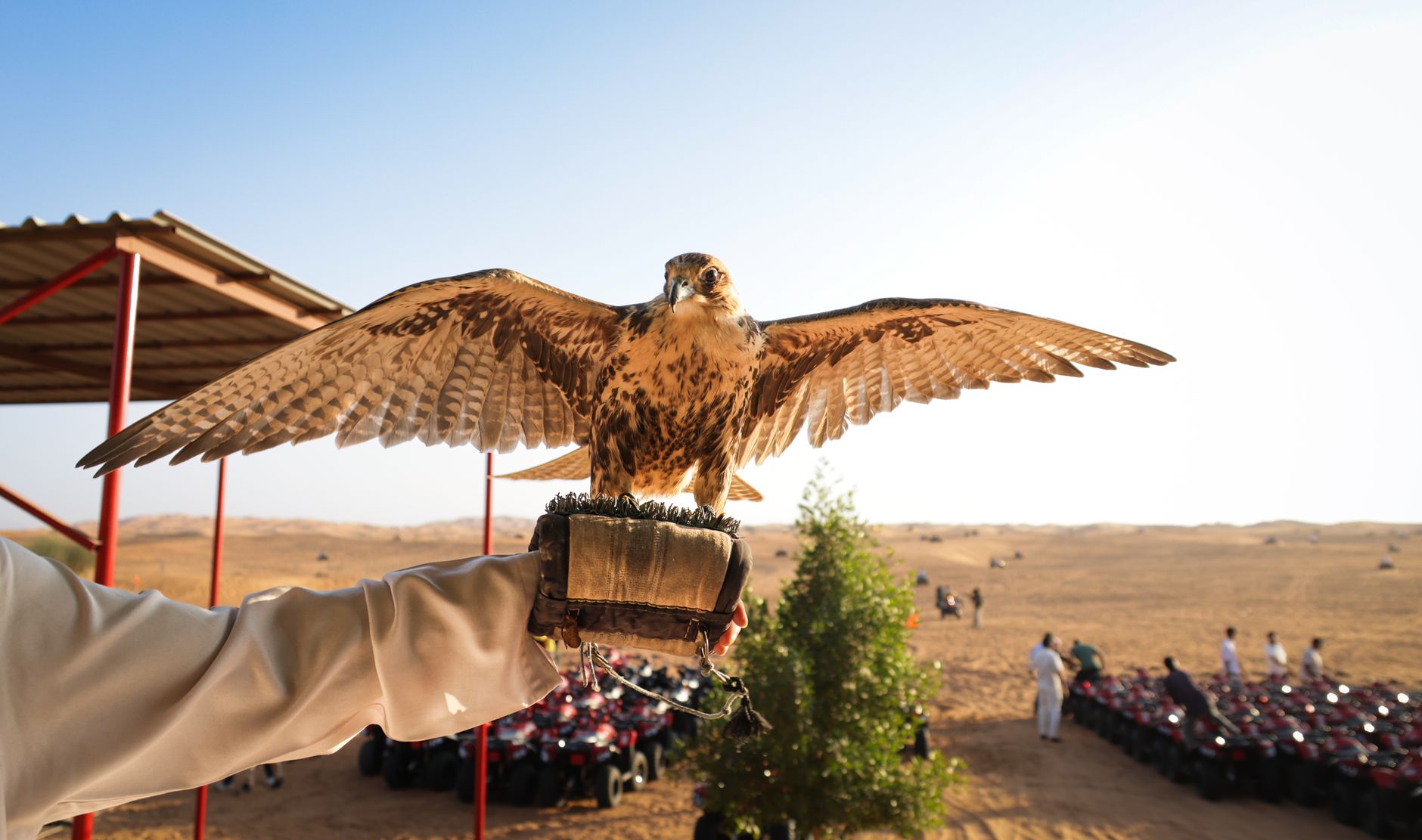
Peregrine Falcons: Masters of the Air
Peregrine falcons, Falco peregrinus, are renowned for their incredible aerial prowess. They are the fastest animals on Earth, capable of reaching speeds exceeding 200 mph during their characteristic hunting dives, known as stoops. Their anatomy and behavior are exquisitely tailored for life in the skies. Understanding this dedication to flight helps explain why swimming is not part of their repertoire.
- Their streamlined body reduces air resistance.
- Their powerful wings provide exceptional maneuverability.
- Their keen eyesight allows them to spot prey from vast distances.
These adaptations, however, come at the expense of aquatic abilities. Unlike waterfowl, peregrine falcons lack webbed feet or waterproof plumage, which are crucial for efficient swimming.
Why Swimming Is Not in Their Arsenal

The peregrine falcon’s survival hinges on its ability to hunt effectively from the air. Water is simply not their domain. Several factors contribute to their lack of swimming ability:
- Lack of Webbed Feet: Unlike ducks or geese, peregrine falcons have strong, taloned feet designed for grasping prey, not paddling through water.
- Non-Waterproof Feathers: Their feathers, while providing excellent insulation and aerodynamic performance, are not naturally waterproof. Prolonged exposure to water can weigh them down and impair their ability to fly.
- Energetic Costs: Swimming is an energy-intensive activity. For a bird that relies on bursts of speed and agility for hunting, conserving energy is paramount.
Accidental Encounters with Water
While peregrine falcons don’t swim intentionally, they might find themselves in the water accidentally. This could happen if:
- They misjudge a dive and plunge into a body of water.
- They are knocked into the water by strong winds or storms.
- They are forced to land on water due to injury or exhaustion.
In such situations, a peregrine falcon will likely attempt to paddle to the nearest shore using its wings and feet. However, this is an inefficient and potentially dangerous maneuver. The risk of drowning is high if the bird becomes waterlogged or exhausted.
Conservation and Risk
Even if they can’t swim well, the peregrine falcon is a species that has made a strong recovery thanks to conservation efforts. Still, accidental immersion in water poses a genuine risk.
- Maintaining healthy habitats with ample prey minimizes the need for falcons to venture near dangerous water sources.
- Rescuing and rehabilitating injured falcons that may have fallen into the water is crucial.
- Educating the public about the peregrine falcon’s vulnerability to aquatic hazards can help raise awareness and promote responsible behavior near their habitats.
Table: Peregrine Falcon vs. Waterfowl – A Comparison
| Feature | Peregrine Falcon | Waterfowl |
|---|---|---|
| Feet | Talons for grasping | Webbed for paddling |
| Feathers | Not waterproof | Waterproof |
| Body Shape | Streamlined for flight | Streamlined for swimming |
| Swimming Ability | Poor; Avoids Water | Excellent |
| Primary Habitat | Air, Cliffs, Buildings | Water, Wetlands |

Frequently Asked Questions (FAQs)
Why do peregrine falcons avoid water?
Peregrine falcons primarily avoid water because they are not adapted for swimming. Their anatomy, including their non-webbed feet and non-waterproof feathers, makes them inefficient and vulnerable in aquatic environments. Their hunting strategies are entirely based on aerial pursuits, so there is little evolutionary pressure for them to develop swimming skills.
Can a baby peregrine falcon swim?
No, a baby peregrine falcon, or eyas, cannot swim. Like adult peregrine falcons, they lack the physical adaptations necessary for swimming. They are entirely dependent on their parents for food and protection until they learn to fly.
What happens if a peregrine falcon falls into the water?
If a peregrine falcon falls into the water, it will likely try to paddle towards the nearest shore using its wings and feet. However, this is a struggle and can be exhausting. They risk becoming waterlogged and hypothermic, significantly increasing their risk of drowning.
Are there any documented cases of peregrine falcons swimming?
There are no documented cases of peregrine falcons willingly swimming for extended periods. Any instances of them being in the water are typically accidental and brief, involving attempts to reach safety. Accounts of falcons “swimming” are usually misinterpreted observations of them struggling in the water.
Do peregrine falcons ever hunt near water?
While peregrine falcons primarily hunt birds in the air, they may occasionally hunt prey that is near water, such as shorebirds or ducks. However, they typically capture these prey items in flight, avoiding direct contact with the water if possible.
Are peregrine falcons afraid of water?
It’s unlikely that peregrine falcons experience fear in the same way humans do. However, their instinctual avoidance of water suggests they recognize the potential danger it poses. Their lack of adaptation for swimming makes water a hazardous environment for them.
How long can a peregrine falcon survive in water?
A peregrine falcon’s survival time in water is highly variable and depends on factors such as water temperature, the bird’s physical condition, and the distance to shore. A waterlogged falcon can quickly become exhausted and hypothermic, significantly reducing its chances of survival. Without assistance, a peregrine falcon may only survive a few minutes in cold water.
Do peregrine falcons drink water?
Yes, peregrine falcons need to drink water like all living things. They typically obtain water by consuming their prey. However, they may also drink from puddles, streams, or other sources of freshwater when available.
Are peregrine falcons good at anything besides flying and hunting?
Peregrine falcons excel at flying and hunting. Beyond these core skills, they also exhibit remarkable intelligence and problem-solving abilities. They are adept at navigating complex environments and adapting to changing conditions.
How do peregrine falcons stay dry in the rain?
While their feathers are not completely waterproof, peregrine falcons maintain their plumage through preening. This process involves carefully arranging their feathers and applying oil from the uropygial gland (preen gland) at the base of their tail. This oil helps to repel water and maintain the feathers’ insulating properties.
Does a peregrine falcon’s diet impact its ability to survive in water?
No, a peregrine falcon’s diet doesn’t directly impact its ability to survive in water. However, a healthy and well-nourished falcon is better equipped to cope with the stress and energy expenditure associated with accidental immersion in water. A healthy falcon is more likely to resist the effects of hypothermia and has the strength to attempt to reach safety.
What can I do if I find a peregrine falcon struggling in the water?
If you find a peregrine falcon struggling in the water, the best course of action is to contact your local wildlife rehabilitation center immediately. Do not attempt to handle the bird yourself, as they can be dangerous and may be injured. Provide the rehabilitation center with the location and condition of the bird so they can dispatch trained professionals to assist.