

Does Customs Check Every Item? Unveiling the Truth Behind Border Inspections
No, customs officials do not check every single item entering a country. Instead, they employ risk assessment and selective screening to efficiently manage the flow of goods and prioritize potential threats.
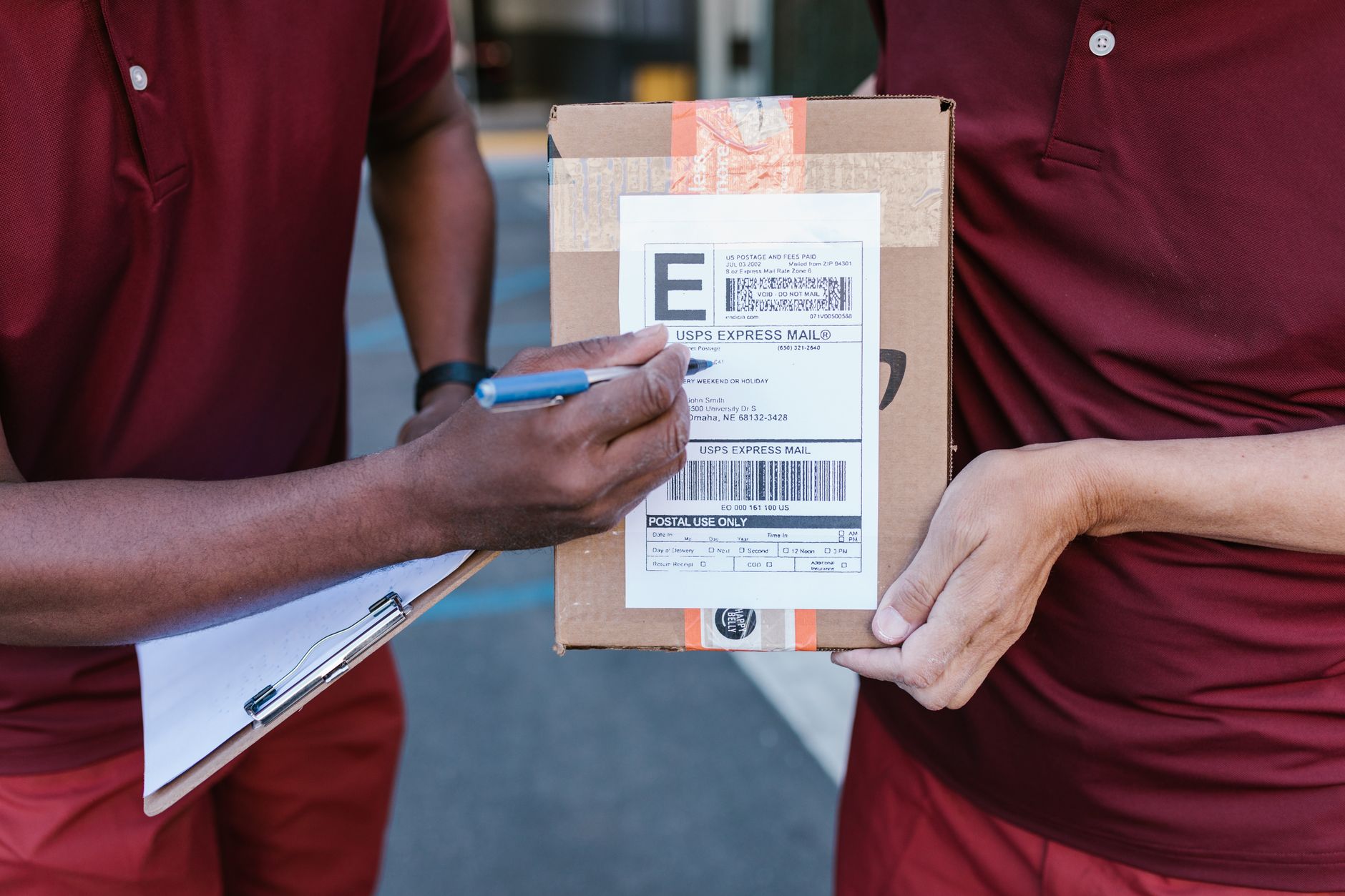
Understanding the Role of Customs
Customs agencies play a vital role in protecting national borders, ensuring compliance with trade regulations, and collecting revenue. Their responsibilities extend far beyond simply inspecting packages. They work to prevent the entry of illegal goods, enforce intellectual property rights, and ensure that imported products meet safety standards. This multifaceted approach requires a strategic balance between thoroughness and efficiency.
Why Not Check Everything? Logistical and Economic Realities

The sheer volume of goods crossing international borders daily makes it impossible to physically inspect every item. Imagine the congestion at ports and airports if every single package had to be opened and examined. The economic impact would be devastating, delaying shipments, increasing costs for businesses, and disrupting global supply chains. Efficiency is paramount.
Risk Assessment: The Core of Modern Customs
Instead of random checks, customs agencies utilize sophisticated risk assessment systems. These systems analyze various data points, including:
- Country of origin: Certain countries may be considered higher risk due to known issues with illegal activities or substandard products.
- Type of goods: Some items, such as weapons, drugs, or counterfeit goods, are inherently considered higher risk.
- Importer/Exporter history: Companies with a clean record of compliance are less likely to be scrutinized.
- Declared value: Items declared at suspiciously low values may raise red flags.
- Shipping route: Unusual or circuitous routes can trigger further inspection.
This data is fed into algorithms that generate a risk score for each shipment, allowing customs officers to prioritize inspections based on the perceived level of risk.
The Inspection Process: What to Expect
When a shipment is flagged for inspection, it can undergo several different checks:
- Document review: Customs officers will carefully examine the accompanying paperwork, such as invoices, packing lists, and certificates of origin, to verify the accuracy of the declared information.
- X-ray scanning: Many shipments are scanned using X-ray technology to detect hidden contraband or anomalies.
- Physical inspection: In some cases, customs officers will physically open and examine the contents of the shipment to verify the goods and ensure compliance with regulations.
- Canine units: Trained dogs are often used to detect drugs, explosives, and other prohibited items.
Common Mistakes That Trigger Customs Scrutiny
Even with a low-risk profile, certain errors can increase your chances of a customs inspection:

- Inaccurate or incomplete declarations: Providing false or misleading information on customs forms is a serious offense and will almost certainly lead to scrutiny.
- Undervaluation of goods: Attempting to avoid duties and taxes by undervaluing your shipment will raise red flags.
- Lack of proper documentation: Failing to provide the necessary paperwork, such as invoices or certificates of origin, can delay your shipment and trigger an inspection.
- Shipping prohibited or restricted items: Attempting to import items that are prohibited or restricted in the destination country will result in seizure and potential penalties.
Technology and the Future of Customs
Technology continues to play an increasingly important role in customs operations. Artificial intelligence (AI) and machine learning are being used to enhance risk assessment, detect anomalies, and automate many processes. Advanced imaging technologies, such as 3D scanning, are improving the accuracy and efficiency of inspections. Data analytics are providing customs agencies with valuable insights into trade patterns and potential threats.
Benefits of a Risk-Based Approach
The risk-based approach to customs enforcement offers several significant benefits:
- Increased efficiency: By focusing on high-risk shipments, customs agencies can process a larger volume of goods with limited resources.
- Reduced delays: Less frequent inspections translate to faster clearance times for legitimate shipments.
- Enhanced security: By targeting high-risk shipments, customs agencies can better protect national borders from threats.
- Economic benefits: Efficient customs procedures facilitate international trade and contribute to economic growth.
The Human Element
While technology plays a significant role, the human element remains critical. Customs officers possess the experience and judgment to interpret data, identify suspicious activity, and make informed decisions. They are trained to detect inconsistencies, analyze body language, and uncover hidden clues. The combination of technology and human expertise is essential for effective customs enforcement.
Compliance is Key
Ultimately, the best way to avoid customs delays and inspections is to ensure compliance with all applicable regulations. This includes:
- Accurately declaring all goods.
- Providing complete and accurate documentation.
- Paying all required duties and taxes.
- Avoiding prohibited or restricted items.
By adhering to these guidelines, you can help ensure that your shipments clear customs smoothly and efficiently.
FAQs: Delving Deeper into Customs Inspections
Does customs check every item?
No, customs does not check every single item. They rely on risk assessment and targeted inspections to manage the massive flow of goods entering a country. This selective approach prioritizes efficiency and security.
How do customs officers decide which packages to inspect?
Customs officers use a risk-based approach. They analyze various factors, such as the country of origin, type of goods, importer/exporter history, and declared value, to assess the risk associated with each shipment.
What happens if my package is selected for inspection?
If your package is selected for inspection, it may be subjected to document review, X-ray scanning, or physical examination. Customs officials will verify the contents and ensure compliance with regulations.
How long does a customs inspection usually take?
The duration of a customs inspection can vary depending on the complexity of the shipment and the findings of the inspection. Simple inspections may take only a few hours, while more complex cases can take days or even weeks.
What are the most common reasons for customs delays?
Common reasons for customs delays include inaccurate or incomplete declarations, undervaluation of goods, lack of proper documentation, and the shipment of prohibited or restricted items. Providing accurate information is critical to avoid delays.
What happens if customs finds prohibited items in my package?
If customs finds prohibited items in your package, they will likely be seized. You may also face penalties, such as fines or even criminal charges, depending on the nature of the prohibited items and the circumstances of the violation. Always check the regulations of the destination country before shipping.
Can I appeal a customs decision?
Yes, in most cases, you have the right to appeal a customs decision. The process for appealing a decision varies depending on the country and the specific circumstances of the case. Consult with a customs broker or legal expert for guidance.
What is a customs broker and do I need one?
A customs broker is a licensed professional who assists importers and exporters with navigating the complexities of customs regulations. They can help you prepare the necessary paperwork, ensure compliance with regulations, and clear your shipments through customs efficiently. While not always required, they can be invaluable.
How can I minimize the risk of a customs inspection?
To minimize the risk of a customs inspection, ensure that you accurately declare all goods, provide complete and accurate documentation, pay all required duties and taxes, and avoid shipping prohibited or restricted items.
Are there any specific items that are always checked by customs?
While no item is automatically checked every single time, certain items are more likely to be scrutinized. These include goods that are subject to high tariffs, items that are frequently counterfeited, and products that pose a potential threat to public health or safety.
What is the role of technology in customs inspections?
Technology plays a vital role in modern customs inspections. X-ray scanners, AI, and data analytics are used to enhance risk assessment, detect anomalies, and automate many processes. These technologies improve efficiency and accuracy.
What are the consequences of providing false information to customs?
Providing false information to customs is a serious offense that can result in severe penalties, including fines, seizure of goods, and even criminal charges. Honesty and accuracy are essential when dealing with customs officials.