

What’s Heaviest Baby Ever Born? Unveiling a World Record
The record-breaking heaviest baby ever born weighed in at a staggering 22 pounds, 8 ounces (10.2 kg). This article delves into the extraordinary story behind this birth, exploring the medical conditions involved, the implications for both mother and child, and the broader context of macrosomia.
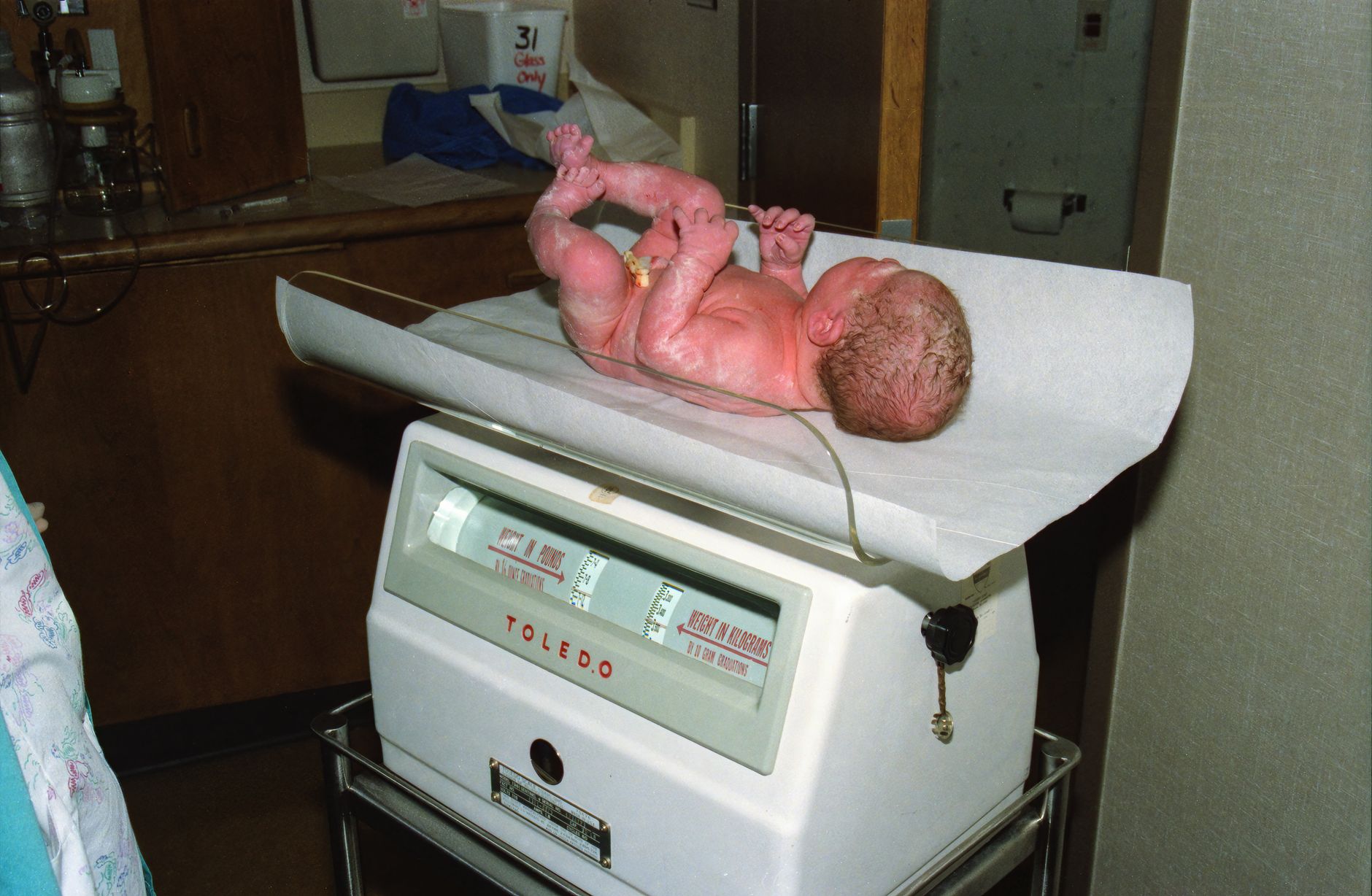
The Tale of Anna Bates and Her Giant Baby
In 1879, Anna Bates, herself a woman of remarkable stature, gave birth to a baby boy in Seville, Ohio. Anna, who stood at 7 feet 11 inches tall, and her husband, Martin Van Buren Bates, who measured 7 feet 9 inches, were already well-known for their unusual height. The arrival of their son was nothing short of extraordinary, setting a world record that remains unbroken to this day. What’s heaviest baby ever born? Officially, it was Anna Bates’s son.
Giants and Macrosomia: Understanding the Medical Context

The extreme size of Anna Bates’s baby was likely due to a combination of factors, primarily related to gigantism in Anna herself and likely gestational diabetes, which contributes to macrosomia, a condition where a baby is significantly larger than average for its gestational age.
- Gigantism: Anna Bates’s height was a result of gigantism, a condition caused by an overproduction of growth hormone. This hormonal imbalance likely played a role in the baby’s accelerated growth in utero.
- Gestational Diabetes: Although not definitively confirmed in Anna’s case (given the limited medical technology of the time), gestational diabetes is a common cause of macrosomia. High blood sugar levels in the mother can cross the placenta, leading to increased glucose levels in the baby. This, in turn, stimulates the baby’s pancreas to produce more insulin, which acts as a growth hormone.
- Genetic Predisposition: Genetics may also have played a role, contributing to the predisposition for large size in both parents and their offspring.
The Challenges of Macrosomia
Macrosomia poses several risks to both mother and baby during pregnancy and childbirth.
- Maternal Risks:
- Increased risk of cesarean delivery
- Postpartum hemorrhage (excessive bleeding after delivery)
- Shoulder dystocia (when the baby’s shoulder gets stuck during vaginal delivery)
- Perineal tears
- Fetal Risks:
- Birth injuries (e.g., nerve damage)
- Low blood sugar (hypoglycemia) after birth
- Increased risk of childhood obesity and type 2 diabetes later in life
Beyond the Record: Common Causes of Larger Babies Today
While Anna Bates’s baby represents an extreme case, macrosomia is a relatively common occurrence, affecting approximately 9% of newborns. Modern medical practices often identify and manage these situations. While genetics still contribute, the primary causes often stem from:
- Gestational diabetes: Proper management through diet and sometimes medication is crucial.
- Maternal obesity: Weight management before and during pregnancy is recommended.
- Post-term pregnancy: Babies born after 40 weeks gestation tend to be larger.
- Multiple pregnancies: Twins, triplets, and other multiples may have larger individual birth weights.
The Legacy of Anna Bates’s Baby
Tragically, Anna Bates’s record-breaking baby did not survive long after birth. He lived only 11 hours. While his life was brief, his birth remains a remarkable historical event and a reminder of the complexities of human growth and development. What’s heaviest baby ever born? His story underscores the importance of understanding and managing conditions that can lead to extreme birth weights.
Comparative Table: Heaviest Babies on Record
| Rank | Name/Description | Weight | Year | Location | Notes |
|---|---|---|---|---|---|
| 1 | Anna Bates’s Baby | 22 lbs 8 oz (10.2 kg) | 1879 | Seville, OH | World record; lived only 11 hours. |
| 2 | Unnamed Brazilian baby | 16 lbs 11 oz (7.57 kg) | 2023 | Brazil | Delivered via C-section. |
| 3 | Nadya Suleman’s Octuplets (Total avg.) | ~3 lbs (1.36 kg) each | 2009 | Bellflower, CA | Although small individually, the total weight was substantial. |
| N/A | Typical full-term baby | ~7.5 lbs (3.4 kg) | N/A | N/A | For comparison, to illustrate the extreme difference. |
Modern Interventions for Macrosomic Infants
Today, doctors have advanced techniques to manage macrosomia. These interventions include:

- Careful monitoring of blood sugar levels in mothers with gestational diabetes.
- Scheduled C-sections to avoid shoulder dystocia and other birth injuries.
- Post-birth monitoring of the baby’s blood sugar levels.
- Early intervention for any complications that may arise.
Frequently Asked Questions (FAQs)
What is considered a macrosomic baby?
A macrosomic baby is generally defined as weighing more than 8 pounds 13 ounces (4,000 grams) at birth, regardless of gestational age. This is significantly above the average birth weight.
Are macrosomic babies always unhealthy?
Not necessarily. While macrosomia can increase the risk of complications, many macrosomic babies are born perfectly healthy. However, they require close monitoring after birth to ensure their blood sugar levels are stable.
Does gestational diabetes always cause macrosomia?
No, but it’s a major risk factor. Proper management of gestational diabetes can significantly reduce the likelihood of a baby being born macrosomic. Diet, exercise, and sometimes medication can help regulate blood sugar levels.
Can a healthy mother have a macrosomic baby?
Yes. Even in the absence of gestational diabetes or obesity, a mother can still deliver a macrosomic baby. Genetics, post-term pregnancy, and other factors can contribute to increased birth weight.
Is it possible to predict macrosomia before birth?
Yes, to some extent. Ultrasound measurements can estimate fetal weight, but these estimations are not always accurate. Regular prenatal care and monitoring are essential for identifying potential risks.
What are the long-term health risks for babies born with macrosomia?
Macrosomic babies have an increased risk of developing obesity and type 2 diabetes later in life. They may also be at higher risk for cardiovascular disease. Lifestyle interventions and regular check-ups are vital for managing these risks.
What is the role of genetics in macrosomia?
Genetics can play a role in determining a baby’s birth weight. If the parents are large themselves, the baby is more likely to be larger as well. Specific genes related to growth and metabolism can also contribute.
What is shoulder dystocia, and why is it a concern with macrosomia?
Shoulder dystocia occurs when one or both of the baby’s shoulders get stuck inside the mother’s pelvis during vaginal delivery. It’s a serious complication that can cause nerve damage or even death to the baby if not managed quickly. Macrosomia increases the risk of shoulder dystocia because of the baby’s larger size.
Can diet influence the risk of having a macrosomic baby?
Yes. A healthy diet that is low in processed foods and sugary drinks can help reduce the risk of gestational diabetes and, in turn, macrosomia. Working with a registered dietitian can be beneficial for pregnant women.
What are the common complications for mothers who deliver macrosomic babies?
Common complications include postpartum hemorrhage, perineal tears, and cesarean delivery. The risk of shoulder dystocia during vaginal delivery can also lead to maternal injuries.
How is macrosomia managed after birth?
After birth, macrosomic babies are closely monitored for hypoglycemia (low blood sugar). They may require frequent feedings or, in some cases, intravenous glucose to stabilize their blood sugar levels.
What should I do if I’m concerned about having a macrosomic baby?
Talk to your healthcare provider. They can assess your individual risk factors, monitor your pregnancy closely, and provide personalized recommendations to help you manage your health and reduce the risk of complications.