
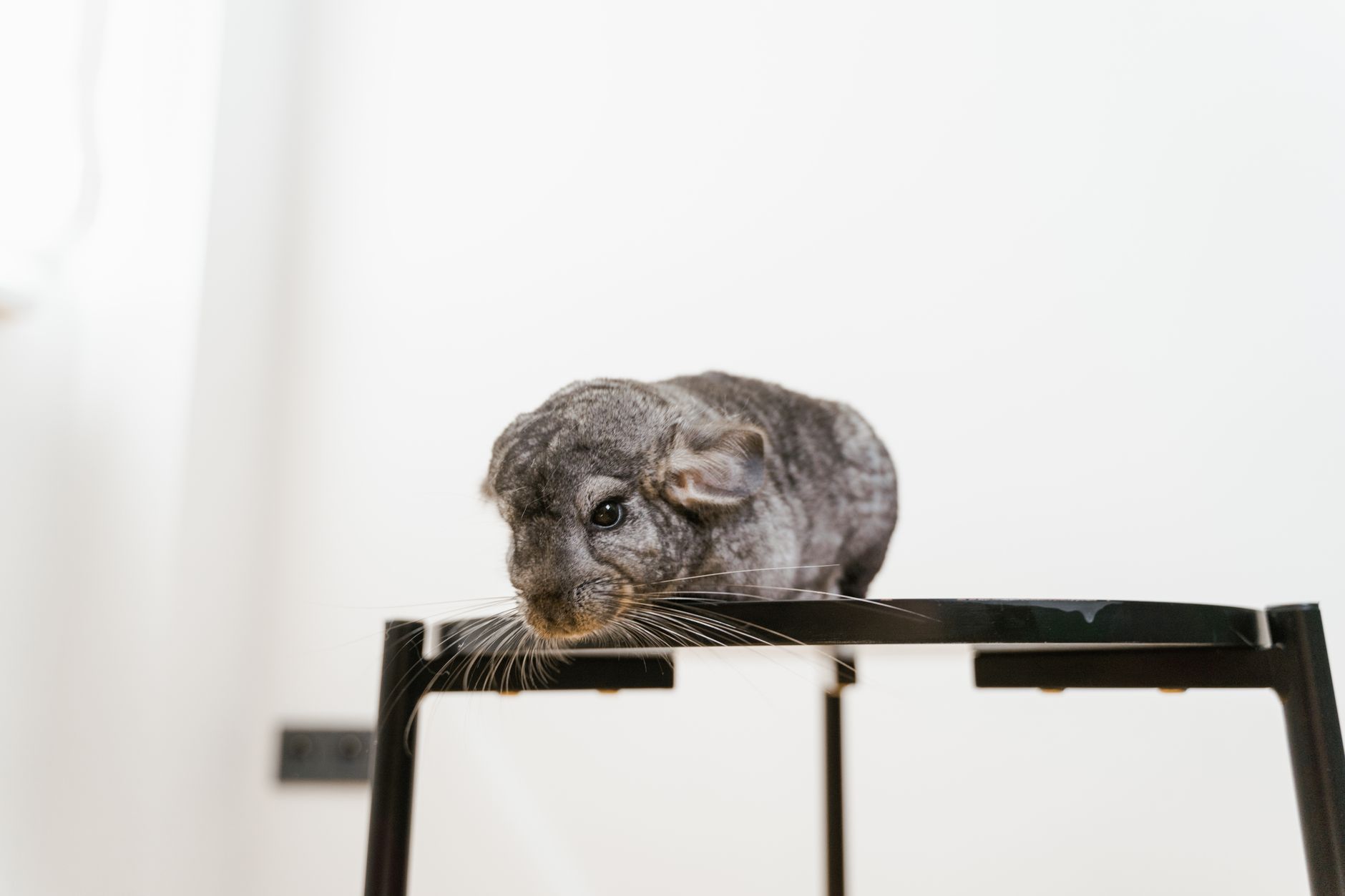
Can I Take My Chinchilla for a Walk? A Comprehensive Guide
Taking your chinchilla outside for a walk might seem like a fun idea, but the simple answer is usually no. Chinchillas are highly sensitive animals, and the risks associated with outdoor excursions generally outweigh any potential benefits, making it safer and healthier to keep them indoors.

Understanding Chinchilla Sensitivities
Chinchillas are delicate creatures adapted to the cool, dry climate of the Andes Mountains. Bringing them outside exposes them to a range of dangers that can quickly lead to stress, illness, or even death. Before considering if you can take your chinchilla for a walk, it’s crucial to understand these sensitivities.
- Temperature Regulation: Chinchillas are extremely prone to overheating. Temperatures above 80°F (27°C) can be fatal.
- Predators: Even in a seemingly safe environment, birds of prey, cats, dogs, and other animals can pose a significant threat.
- Stress: New sights, sounds, and smells can cause extreme stress, leading to health complications.
- Escape: Chinchillas are incredibly fast and agile. If they escape their harness or enclosure, they can be nearly impossible to catch.
- Toxins and Pesticides: Grass, plants, and even the soil can contain harmful pesticides or toxins.

Is distilled water good for goldfish?
What colours are fish most attracted to?
Can you put your finger in a trout's mouth?
Is methylene blue anti bacterial?
Potential Risks Outweigh the Benefits
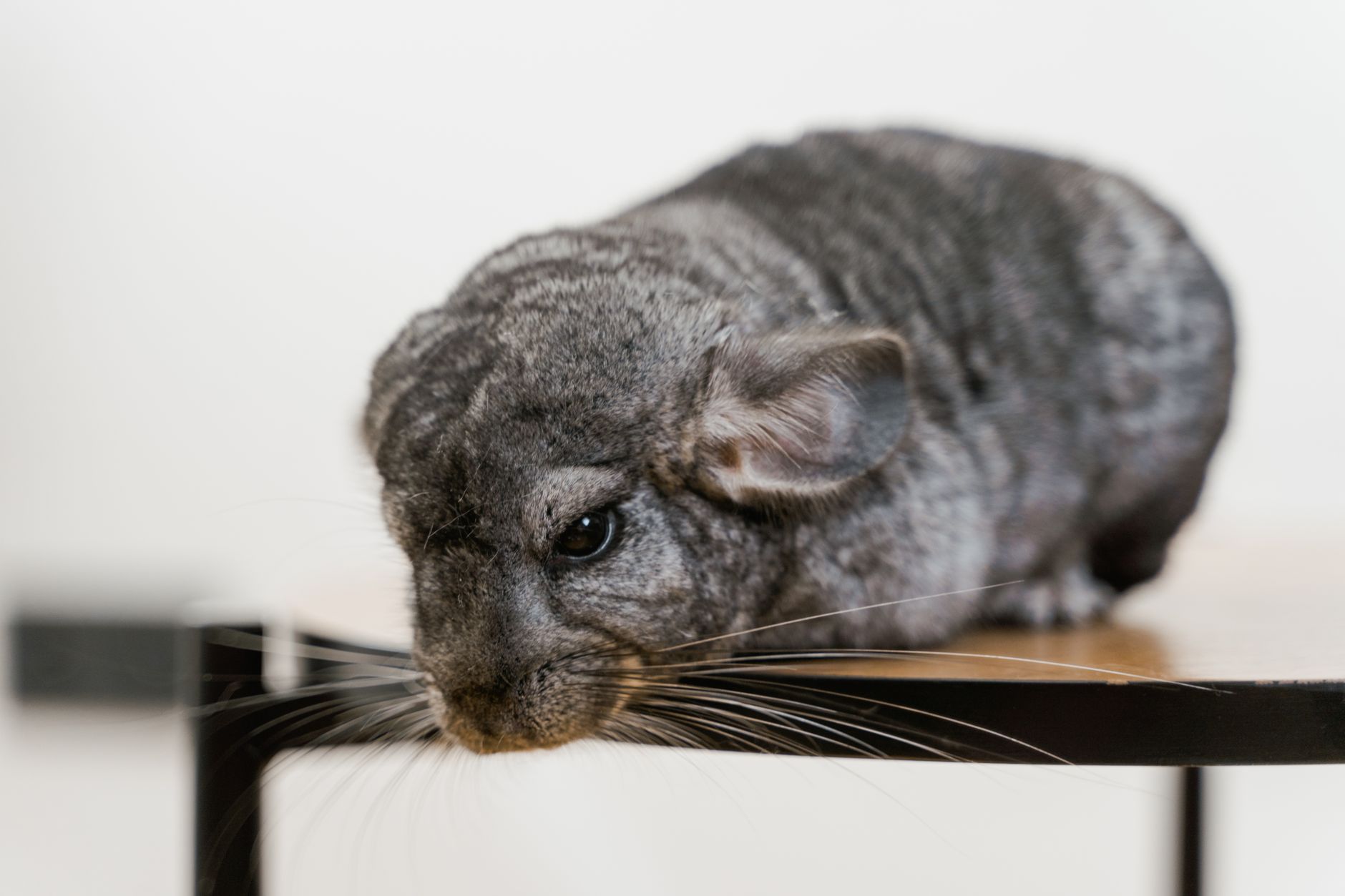
While the idea of letting your chinchilla explore the outdoors might seem appealing, consider the potential dangers:
- Heatstroke: Even on a seemingly mild day, direct sunlight or increased activity can cause heatstroke very quickly.
- Anxiety and Fear: The sights and sounds of the outside world can be overwhelming for a sensitive chinchilla, leading to chronic stress.
- Injuries: A sudden jump or fall can result in broken bones or other injuries.
- Illness: Exposure to parasites, bacteria, or viruses can lead to serious health problems.
Alternatives to Outdoor Walks
Instead of exposing your chinchilla to the dangers of the outdoors, focus on providing enriching experiences indoors. Consider these alternatives:
- Larger Cage: A spacious cage allows your chinchilla to run, jump, and explore.
- Playpen: Set up a safe, enclosed playpen indoors where your chinchilla can roam freely under supervision.
- Chinchilla-Safe Toys: Provide a variety of toys, such as wooden chews, tunnels, and climbing structures.
- Social Interaction: Spend time interacting with your chinchilla, offering gentle petting and playtime.
The Harness Dilemma
While some harnesses are marketed for chinchillas, experts generally advise against their use. Chinchillas have delicate skeletons and can easily be injured by a poorly fitting harness. Attempting to put a harness on a stressed chinchilla can also lead to injury for both the pet and the owner.
| Feature | Harness | Indoor Playpen |
|---|---|---|
| Safety | High risk of injury and escape | Safe, controlled environment |
| Stress | High stress levels due to unfamiliar environment | Reduced stress due to familiar surroundings |
| Temperature | Difficult to regulate | Controlled indoor temperature |
| Supervision | Requires constant vigilance | Easier to monitor and supervise |
Exceptions to the Rule
In very rare circumstances, with extreme caution and preparation, supervised outdoor time might be considered. However, these situations are limited to:
- Climate-Controlled Enclosures: If you have access to a portable, climate-controlled enclosure that maintains a safe temperature, you might consider supervised outdoor time.
- Veterinarian Recommendation: In rare cases, a veterinarian may recommend limited outdoor exposure for specific medical reasons. However, this should always be done under strict veterinary guidance.
Essential Precautions If Outdoor Time is Considered
If, against expert advice, you decide to consider if you can take your chinchilla for a walk (or rather, supervised outdoor time), these precautions are absolutely essential:
- Temperature Monitoring: Continuously monitor the temperature and humidity. Never expose your chinchilla to temperatures above 75°F (24°C).
- Secure Enclosure: Use a completely secure, enclosed pen to prevent escape and protect from predators.
- Constant Supervision: Never leave your chinchilla unattended.
- Hydration: Provide fresh, cool water at all times.
- Shade: Ensure access to plenty of shade to prevent overheating.
- Avoid Direct Sunlight: Direct sunlight can quickly lead to heatstroke.
- Observe for Signs of Stress: Watch for signs of stress, such as rapid breathing, panting, or hiding.
- Veterinary Consultation: Consult with your veterinarian before considering any outdoor activity.
Frequently Asked Questions About Chinchillas and Outdoor Activities
Here are some frequently asked questions about if you can take your chinchilla for a walk, providing even greater depth to our understanding.
Is it ever safe to walk my chinchilla on a leash?
No, it is generally not safe. Leashes and harnesses pose a significant risk of injury due to the chinchilla’s delicate skeletal structure and propensity for sudden movements. The stress of being restrained can also be detrimental to their health. Prioritizing safety means avoiding leashes altogether.
What temperature is too hot for a chinchilla to be outside?
Temperatures above 75°F (24°C) are considered too hot and can quickly lead to heatstroke. Even at lower temperatures, direct sunlight and humidity can exacerbate the risk. Monitoring temperature is key if you even consider an outdoor excursion.
How do I know if my chinchilla is overheating?
Signs of overheating include rapid breathing, panting, drooling, lethargy, and disorientation. If you notice any of these signs, immediately move your chinchilla to a cooler environment and contact your veterinarian. Heatstroke can be fatal and requires immediate attention.
Can I take my chinchilla outside in a carrier?
While a carrier offers some protection, it’s still not ideal. Carriers can trap heat, especially in direct sunlight. If you must transport your chinchilla in a carrier, ensure adequate ventilation and temperature control. Ideally, only transport in a climate controlled vehicle and limit the time outside of that environment.
What are the best indoor activities for my chinchilla?
Provide a spacious cage with multiple levels for climbing and exploring. Offer a variety of chinchilla-safe toys, such as wooden chews, tunnels, and dust baths. Regular interaction and playtime are also essential for their well-being. Indoor activities create a safe and enriched environment.
Are there any safe plants for chinchillas to eat outside?
It is extremely risky to allow your chinchilla to eat any plants from the outdoors. Many plants are toxic, and even seemingly safe plants may be contaminated with pesticides or herbicides. Stick to commercially available chinchilla-safe food and treats.
What should I do if my chinchilla escapes outside?
Remain calm and try to confine the area. Use a familiar sound, such as shaking their food container, to lure them back. If possible, set up their cage or a carrier with food and water nearby. Approach slowly and gently, and avoid sudden movements. Escape plans are vital.
How can I create a safe outdoor play area for my chinchilla?
It’s generally advised against creating an outdoor play area. The risks of overheating, predators, and escape are too high. Focus on providing enriching indoor activities instead. Safety always comes first.
What if I only take my chinchilla outside for a few minutes?
Even a few minutes of exposure to high temperatures or direct sunlight can be dangerous. The risks generally outweigh any potential benefits, regardless of the duration. Quick exposure doesn’t mitigate the risks.
Is it okay to take my chinchilla outside if it’s cloudy?
Even on cloudy days, the temperature can still rise quickly, and the lack of direct sunlight doesn’t eliminate the risk of overheating or predators. Cloud cover doesn’t make it safe.
Can I use sunscreen on my chinchilla?
No, never use sunscreen on your chinchilla. Sunscreen can be toxic if ingested and may also irritate their skin. Avoid sun exposure instead of attempting to use sunscreen.
What kind of veterinary care is needed if my chinchilla has been outside and seems unwell?
If your chinchilla has been outside and is showing signs of illness, such as lethargy, loss of appetite, or difficulty breathing, seek immediate veterinary care. Be sure to inform your veterinarian about the potential outdoor exposure. Prompt veterinary attention is essential.