

Can Gray Wolves Have Blue Eyes? Unveiling the Ocular Truth
No, gray wolves cannot naturally have blue eyes. The presence of blue eyes in canids generally signals genetic anomalies or hybridization, making it extremely rare and usually indicative of mixed ancestry with domestic dogs.

Understanding Gray Wolf Eye Color: A Foundation
The allure of the gray wolf, Canis lupus, lies in its wildness, its intelligence, and its piercing gaze. But what colors are those eyes typically? The answer, and understanding why Can gray wolves have blue eyes? is important, requires delving into genetics and the natural history of this magnificent creature.
Does Perth Zoo have turtles?
Can you have a pet giant tortoise?
Do all amphibians have eyelids?
Do all snakes have poison in them?
The Standard Eye Color Palette of Gray Wolves

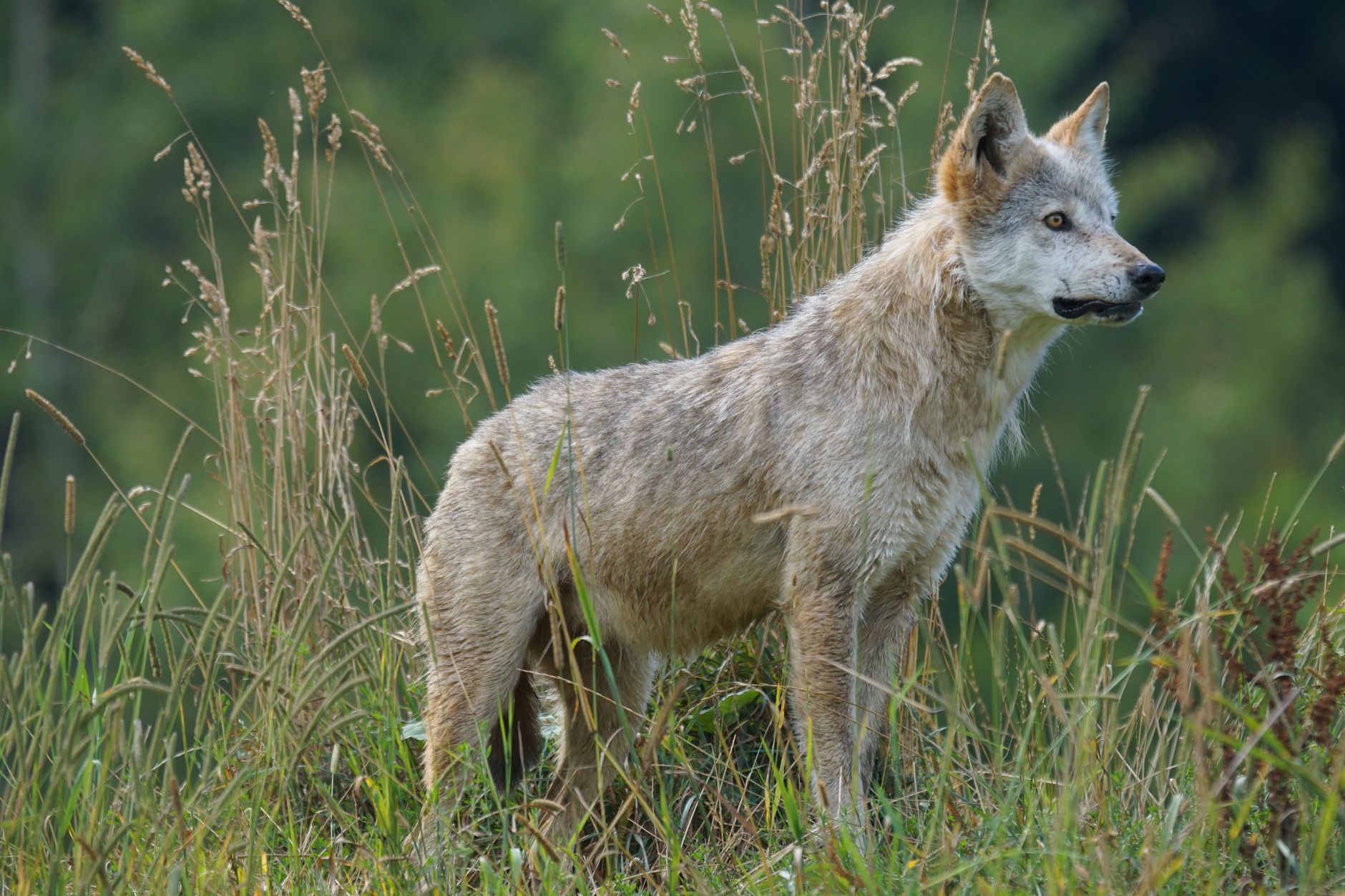
Typically, a gray wolf’s eyes range from shades of amber to yellow, brown, or golden. This coloration stems from the amount of melanin, a pigment, present in the iris. Higher melanin concentrations result in darker shades, while lower concentrations produce lighter hues.
The Genetics of Eye Color in Canids
Eye color is a polygenic trait, meaning it’s influenced by multiple genes. This complexity is why we see a range of colors even within a single species. In wolves, specific genes regulate melanin production and distribution in the iris. These genes are relatively stable, resulting in a limited spectrum of eye colors.
Why Blue Eyes Are Almost Non-Existent in Pure Gray Wolves
The genetic makeup of purebred gray wolves doesn’t typically include the alleles (gene variants) necessary to produce blue eyes. Blue eyes are often associated with a recessive gene and require two copies of that gene to be expressed. More importantly, blue eyes in canids are more commonly linked to genetic mutations or, crucially, hybridization with domestic dogs.
The Role of Hybridization in Wolf Eye Color
This is where the question “Can gray wolves have blue eyes?” gets more nuanced. Domestic dogs, Canis familiaris, share ancestry with wolves, but selective breeding has introduced a wider range of genetic traits, including those for blue eyes. If a wolf interbreeds with a dog carrying the blue-eye gene, there’s a possibility that the offspring could inherit this trait. However, these are no longer considered pure gray wolves.
Identifying Hybrids: Beyond Eye Color
While eye color can be a visual clue, it’s not the only indicator of hybridization. Other physical characteristics, such as coat color, ear shape, skull structure, and behavioral traits, can also suggest mixed ancestry. Genetic testing provides the most definitive confirmation.
Conservation Implications of Hybridization
Maintaining the genetic integrity of gray wolf populations is crucial for their long-term survival. Hybridization can dilute the unique genetic adaptations that allow wolves to thrive in specific environments. Therefore, understanding and managing hybridization is an important aspect of wolf conservation efforts.
Addressing Misconceptions About Wolf Eye Color
Popular culture sometimes portrays wolves with striking blue eyes, contributing to the confusion. However, this artistic license doesn’t reflect reality. While compelling imagery, it’s essential to rely on scientific information when learning about the natural world.
The Rarity of Blue Eyes in Wild Canids
While extremely rare, blue eyes have been occasionally reported in other wild canids, such as coyotes, but again, this usually suggests hybridization. The isolation of truly wild, non-hybridized canids with blue eyes is virtually unheard of.
Summary of Key Points: The Eyes Have It!
- The typical eye colors for gray wolves are amber, yellow, brown, or golden.
- Blue eyes in canids are generally associated with genetic anomalies or hybridization.
- Hybridization with domestic dogs is the most likely explanation for blue eyes in wolves.
- Eye color alone isn’t a definitive indicator of hybridization; genetic testing is needed.
- Maintaining the genetic integrity of wolf populations is crucial for their conservation.
The Future of Wolf Genetics: What Lies Ahead
Ongoing research into wolf genetics continues to refine our understanding of their ancestry, population structure, and adaptations. This knowledge is essential for effective wolf management and conservation strategies in a rapidly changing world.
Final Thoughts on “Can Gray Wolves Have Blue Eyes?”
While the allure of a blue-eyed wolf is undeniable, the reality is that this trait is almost non-existent in pure gray wolf populations. It’s a reminder that nature is often more complex and nuanced than our initial perceptions, and that conservation requires accurate scientific knowledge.
Frequently Asked Questions (FAQs)
What causes eye color variation in animals?
Eye color variation is primarily determined by the amount and type of melanin, a pigment, in the iris. Genes control melanin production and distribution. Different genes and gene variants (alleles) result in different colors. Other factors, such as the structure of the iris, can also influence how light is reflected, affecting the perceived color.
How can I tell if a wolf is a hybrid?
While physical characteristics like coat color and size can offer clues, genetic testing is the most reliable method. Comparing the DNA of a suspected hybrid to known wolf and dog genomes can reveal the extent of mixed ancestry.
Are blue eyes common in any other wild animals?
Blue eyes are relatively rare in most wild animals. They are more common in certain breeds of domestic animals, particularly dogs and cats, due to selective breeding. Even when present in wild animals, blue eyes can sometimes indicate albinism or other genetic mutations.
Do wolf pups have different eye colors than adults?
Yes, wolf pups are often born with blue or grey eyes, which gradually change to their adult coloration as they mature. This is a normal developmental process, not an indication of hybridization.
Can environment affect a wolf’s eye color?
No, environmental factors don’t directly affect eye color. Eye color is determined by genetics and remains consistent throughout an animal’s life, barring injury or disease.
Is it possible for a pure wolf to have a genetic mutation resulting in blue eyes?
While theoretically possible, it is exceedingly rare. A spontaneous mutation affecting the genes that control melanin production would have to occur, and this mutation would have to be passed down through generations to become established in a population. The likelihood of this is extremely low.
Why is preserving pure wolf genetics important?
Pure wolf genetics represent the unique adaptations that have allowed wolves to thrive in specific environments over thousands of years. Hybridization can dilute these adaptations, making wolves less well-suited to their native habitats.
What is the difference between a gray wolf and a domestic dog genetically?
Gray wolves and domestic dogs share a common ancestor but have diverged over tens of thousands of years. Selective breeding of dogs has resulted in significant genetic differences, particularly in genes related to behavior, morphology, and physiology.
What role does eye color play in wolf communication?
While eye color is not a primary means of communication, the intense gaze of a wolf can convey dominance or aggression. Darker eye colors can sometimes appear more intimidating than lighter ones. Overall body language and vocalizations play a much more significant role.
What are some of the biggest threats to gray wolf populations today?
Habitat loss, human-wildlife conflict, and climate change are major threats. Hybridization with domestic dogs can also pose a threat to the genetic integrity of wolf populations in certain areas.
How are scientists studying wolf genetics?
Scientists use a variety of techniques, including DNA sequencing, microsatellite analysis, and single nucleotide polymorphism (SNP) genotyping. These methods allow them to assess genetic diversity, identify hybrids, and track population movements.
What should I do if I encounter a wolf in the wild?
Maintain a safe distance, avoid direct eye contact, and do not approach the animal. Make yourself look large and make noise to deter the wolf. Report the sighting to local wildlife authorities.