
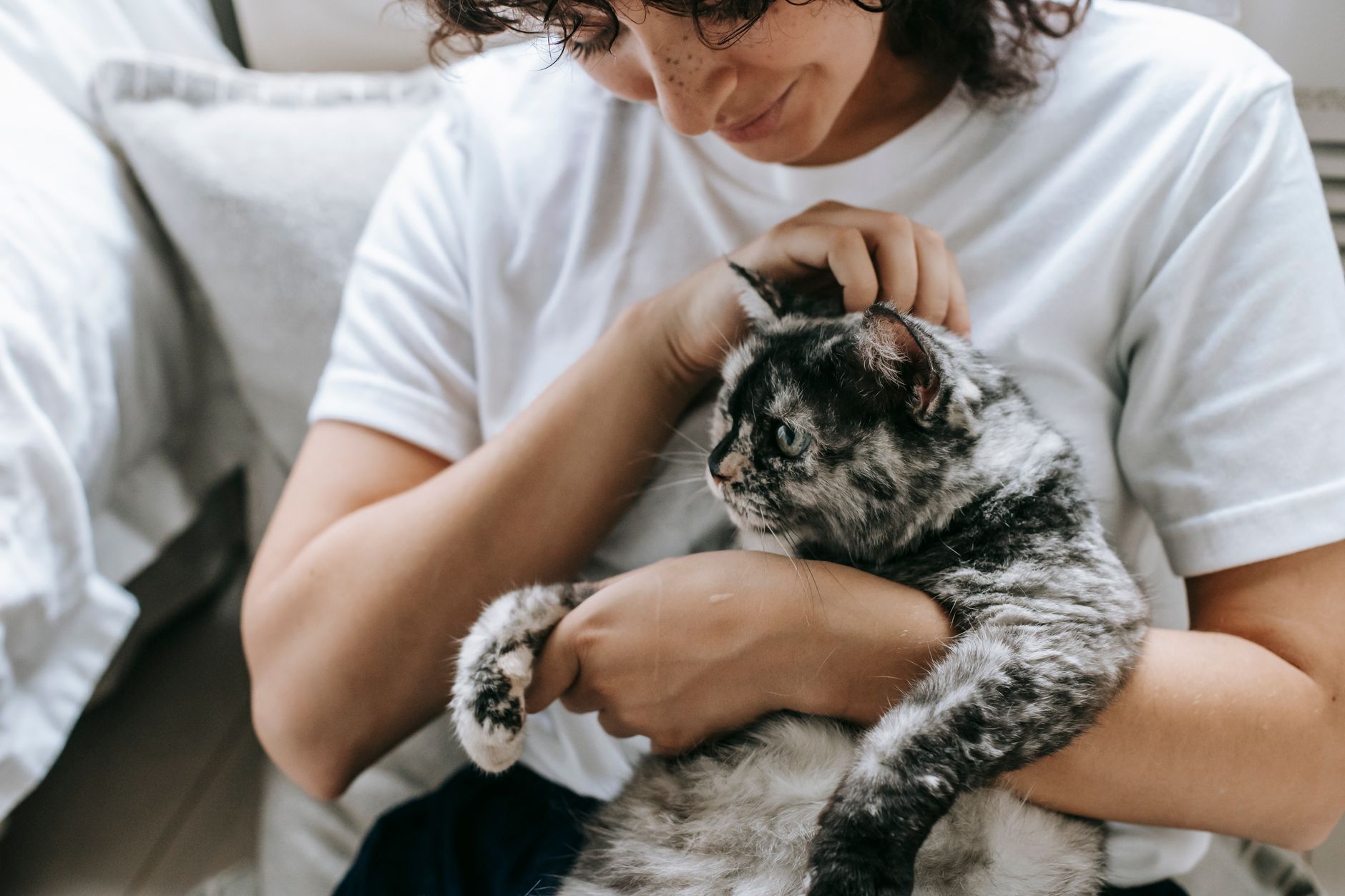
Can Female Cats Be Friendly? Dispelling the Myth of the Aloof Feline
The answer is a resounding yes! Female cats can absolutely be friendly, and their personalities are as diverse and unique as their male counterparts.

Understanding Feline Friendliness: Nature vs. Nurture
The question of whether Can female cats be friendly? is often rooted in common misconceptions about feline behavior. While individual cats possess distinct personalities, several factors influence their friendliness, including genetics, early socialization, and experiences. Attributing friendliness solely to gender is an oversimplification.
-
Genetics: While breed plays a role (some breeds are generally known for being more affectionate), individual genetic predispositions within a breed are a stronger determinant. Some cats are simply born with a more confident and outgoing temperament.
-
Early Socialization: The most crucial period for socialization is between 2-7 weeks of age. Kittens exposed to positive human interaction during this time are more likely to develop into friendly and affectionate cats, regardless of their gender. Lack of socialization can result in fearful or shy behavior, which might be misconstrued as unfriendliness.
-
Experiences: Past experiences, both positive and negative, significantly shape a cat’s personality. A female cat who has experienced abuse or neglect may be more wary of humans, whereas one raised in a loving environment is likely to be more trusting and affectionate.

Is distilled water good for goldfish?
What colours are fish most attracted to?
Can you put your finger in a trout's mouth?
Is methylene blue anti bacterial?
Debunking Common Myths About Female Cats

Several myths contribute to the perception that female cats are less friendly than males. Let’s dispel some of the most prevalent:
-
Myth: Female cats are more independent. While some female cats may exhibit independent traits, this isn’t universally true. Independence is more related to individual personality and breed characteristics than gender.
-
Myth: Female cats are less affectionate. Affection levels vary widely among individual cats, regardless of gender. Some female cats are incredibly cuddly and demanding of attention, while others prefer more subtle forms of interaction.
-
Myth: Female cats are naturally more aloof. This is a harmful generalization. While some cats are naturally reserved, aloofness is not inherent to female cats.
Fostering Friendliness in Female Cats
Creating a positive and nurturing environment is key to fostering friendliness in any cat, including females.
-
Provide a safe and comfortable environment: Ensure your cat has access to safe hiding places, comfortable beds, and scratching posts. A sense of security promotes confidence and reduces stress.
-
Engage in gentle and consistent interaction: Spend time playing with your cat, grooming her, and offering gentle petting. Pay attention to her body language and respect her boundaries.
-
Use positive reinforcement: Reward desired behaviors with treats, praise, or affection. Avoid punishment, as it can create fear and distrust.
-
Respect her space: Allow your cat to approach you on her own terms. Avoid forcing interaction, as this can make her feel threatened.
Understanding Feline Body Language
Understanding your cat’s body language is crucial for building a strong bond and fostering friendliness.
| Body Language | Meaning |
|---|---|
| Slow blinks | Indicates trust and affection. |
| Rubbing against your legs | Marking you with her scent and showing affection. |
| Kneading | A sign of contentment and comfort, often associated with kittenhood. |
| Tail held high with a slight curve | Indicates happiness and confidence. |
| Flattened ears | Indicates fear or aggression. |
| Hissing or growling | A warning sign that the cat feels threatened or uncomfortable. |
The Importance of Spaying Female Cats
Spaying female cats not only prevents unwanted litters but also has a significant impact on their behavior and overall well-being.
-
Reduces hormone-driven behaviors: Spaying eliminates heat cycles, which can cause significant stress and anxiety in female cats.
-
Decreases the risk of certain health problems: Spaying reduces the risk of uterine infections, mammary cancer, and other health issues.
-
Can lead to a calmer and more affectionate temperament: By eliminating the hormonal fluctuations associated with heat cycles, spaying can contribute to a more stable and relaxed personality.
Conclusion: Celebrating the Individual Cat
Ultimately, the friendliness of a cat, whether male or female, depends on a complex interplay of genetics, socialization, and experiences. Dismissing female cats as inherently unfriendly is not only inaccurate but also unfair. By understanding their individual needs, respecting their boundaries, and providing a loving and supportive environment, you can foster a strong and affectionate bond with any cat, regardless of gender.
Frequently Asked Questions About Female Cat Friendliness
Do female cats prefer women over men?
While individual cats may develop preferences based on personal experiences, there is no scientific evidence to suggest that female cats inherently prefer women over men. A cat’s affinity for a particular person is typically determined by the quality of interaction and the level of trust established, rather than gender.
Are certain breeds of female cats friendlier than others?
Yes, certain breeds are generally known for being more affectionate and outgoing. Some examples include Ragdolls, Burmese, and Persians. However, it’s important to remember that individual personalities within a breed can vary significantly.
What is the best way to socialize a female kitten?
Early socialization is crucial. Expose your kitten to a variety of sights, sounds, and people in a positive and controlled manner. Gentle handling, playtime, and positive reinforcement are essential. The key is to make sure that the kitten sees interactions with humans as enjoyable and safe.
Can a previously unfriendly female cat become friendly with time and patience?
Absolutely. With patience, understanding, and consistent positive interaction, even a previously unfriendly female cat can learn to trust and become more affectionate. It’s important to proceed slowly and respect her boundaries. Don’t force interaction.
How can I tell if my female cat is trying to be friendly?
Look for signs of positive body language, such as slow blinks, rubbing against your legs, purring, and kneading. A relaxed posture and approaching you voluntarily are also good indicators that she’s feeling friendly. Pay close attention to her cues.
Is it true that spayed female cats are friendlier?
Spaying eliminates heat cycles, which can cause hormonal fluctuations that can lead to irritability or anxiety. By removing these fluctuations, spaying can often lead to a calmer and more stable temperament, potentially making a female cat more receptive to affection.
What should I do if my female cat is hissing or swatting at me?
Hissing and swatting are warning signs that your cat feels threatened or uncomfortable. Immediately back off and give her space. Never punish her for hissing or swatting , as this will only increase her fear and distrust. Identify the source of her stress and try to eliminate it.
How much playtime does a female cat need to stay happy and friendly?
The amount of playtime varies depending on the cat’s age, energy level, and personality. However, most cats benefit from at least 15-30 minutes of interactive play per day. Play helps to relieve boredom and stress , which can contribute to a happier and friendlier cat.
Does the age of a female cat affect her friendliness?
Yes, age can play a role. Senior cats may be less playful and energetic, but they can still be very affectionate. Older cats may prefer quiet companionship and gentle petting over vigorous play.
How can I introduce a new person to my female cat in a way that promotes friendliness?
Introduce new people gradually and in a non-threatening manner. Have the new person offer treats or toys to your cat. Avoid forcing interaction and allow your cat to approach them on her own terms. Patience and positive reinforcement are key.
Is it possible that my female cat is just naturally independent and not necessarily unfriendly?
Yes, some cats are naturally more independent than others. Independence is a personality trait, not necessarily an indication of unfriendliness. Learn to appreciate her unique personality and respect her boundaries. She may show affection in subtle ways.
Can female cats be friendly with other animals?
Yes, female cats can be friendly with other animals, but it depends on their individual personalities and early socialization. Gradual and careful introductions are essential. Supervise interactions and provide plenty of resources to minimize competition and stress.