

Can Dogs With Hip Dysplasia Stand on Back Legs? Understanding the Challenges
It is possible for some dogs with hip dysplasia to stand on their back legs, but the ability and comfort level vary greatly depending on the severity of the condition and other factors. This article explores the complexities of hip dysplasia and its impact on a dog’s ability to stand on its hind limbs.

What is Hip Dysplasia?
Hip dysplasia is a common skeletal condition in dogs, especially larger breeds. It occurs when the hip joint doesn’t develop properly, resulting in a loose and unstable joint. Instead of the femoral head (the “ball”) fitting snugly into the acetabulum (the “socket”), there’s a mismatch. This abnormal fit leads to wear and tear, inflammation, and eventually, osteoarthritis (degenerative joint disease). The severity of hip dysplasia can range from mild to severe, with symptoms manifesting at different ages.

Is distilled water good for goldfish?
What colours are fish most attracted to?
Can you put your finger in a trout's mouth?
Is methylene blue anti bacterial?
Factors Influencing a Dog’s Ability to Stand
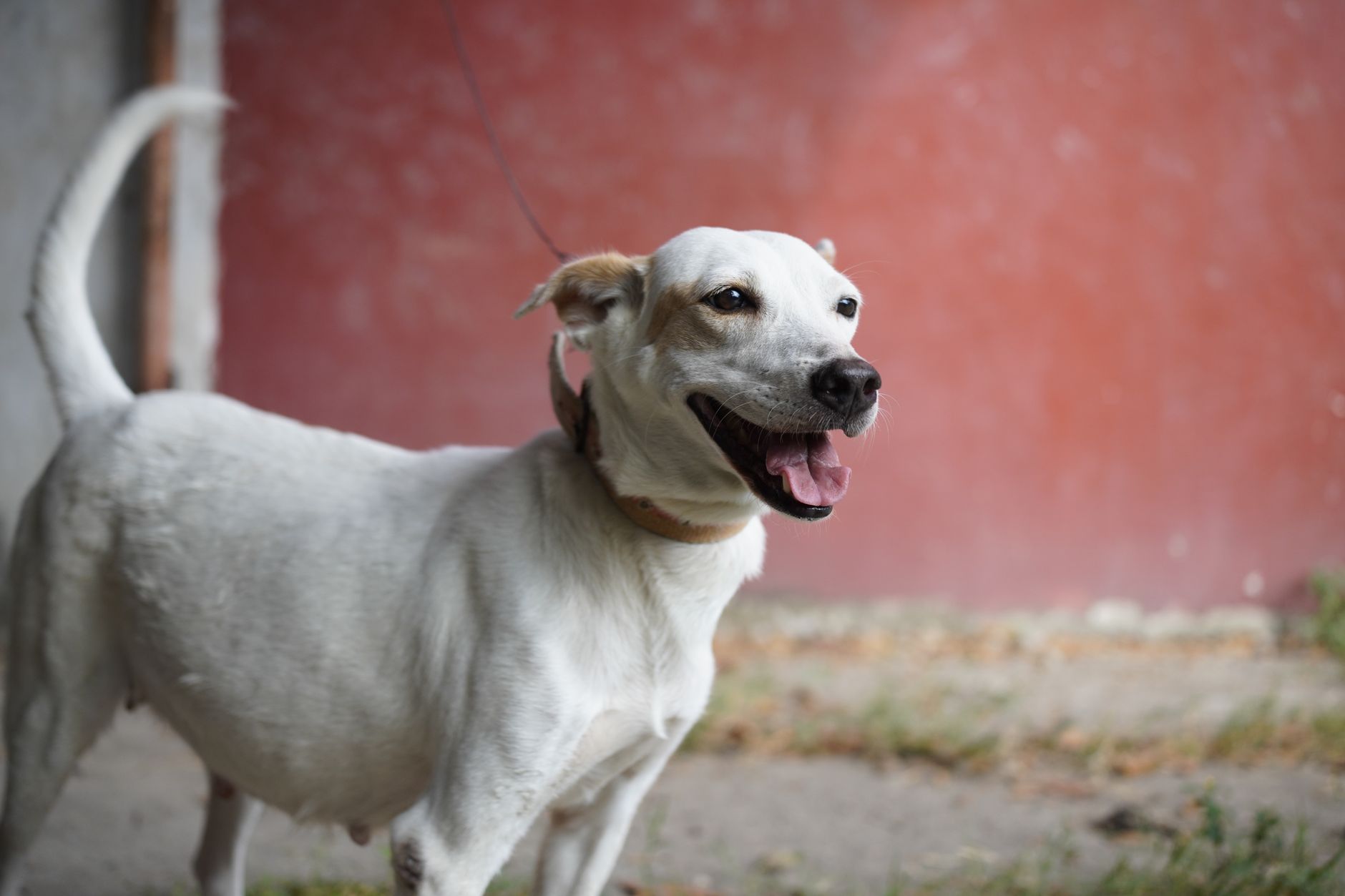
Several factors determine whether a dog with hip dysplasia can stand on its back legs, and for how long:
- Severity of Dysplasia: Mild cases may allow a dog to stand for short periods with minimal discomfort. Severe cases, however, often cause significant pain and instability, making it difficult or impossible.
- Age: Younger dogs with mild dysplasia might compensate more easily. Older dogs with established osteoarthritis will likely experience more pain and have less mobility.
- Pain Management: Effective pain management through medication, physical therapy, or supplements can significantly improve a dog’s ability to stand and bear weight.
- Muscle Strength: Strong back leg muscles can help stabilize the hip joint and compensate for the dysplasia. Regular, appropriate exercise (as recommended by a veterinarian) is crucial.
- Weight: Overweight dogs put excess strain on their joints, exacerbating the symptoms of hip dysplasia. Maintaining a healthy weight is vital.
- Concomitant Conditions: Other joint problems, such as arthritis in the knees or hocks, can further limit a dog’s mobility and ability to stand.
The Biomechanics of Standing and Hip Dysplasia
Understanding the biomechanics is crucial. Standing on the back legs requires a dog to shift its weight entirely to the hind limbs. This puts considerable pressure on the hip joints. In a healthy dog, the hip joint provides stability and smooth articulation. In a dog with hip dysplasia, the unstable joint causes pain and instability, making it difficult to maintain balance and support the body’s weight. The surrounding muscles then work overtime to compensate, leading to fatigue and more pain.
Recognizing the Signs of Discomfort
Even if a dog can stand on its back legs, it’s important to recognize signs of discomfort:
- Hesitation or reluctance to stand.
- Limping or altered gait immediately after standing.
- Whining or whimpering.
- Trembling or shaking of the hind legs.
- Stiffness or difficulty sitting or lying down after standing.
- Visible pain or discomfort in the hips or hind legs.
If you observe any of these signs, consult your veterinarian immediately. Pushing your dog to stand when they are in pain is detrimental.
Management Strategies for Dogs with Hip Dysplasia
Managing hip dysplasia involves a multi-faceted approach aimed at alleviating pain, improving mobility, and slowing the progression of the disease.
- Medication: Non-steroidal anti-inflammatory drugs (NSAIDs) are commonly prescribed to reduce pain and inflammation. Other medications, like gabapentin, may be used for chronic pain.
- Weight Management: Maintaining a healthy weight reduces stress on the joints.
- Physical Therapy: Targeted exercises can strengthen muscles, improve range of motion, and reduce pain. Hydrotherapy (swimming) is particularly beneficial.
- Joint Supplements: Glucosamine and chondroitin supplements may help support cartilage health and reduce inflammation. Omega-3 fatty acids also have anti-inflammatory properties.
- Surgery: In severe cases, surgical options such as total hip replacement (THR) or femoral head ostectomy (FHO) may be considered. THR is generally considered the gold standard for pain relief and improved function.
- Assistive Devices: Ramps and harnesses can help dogs navigate stairs and get around more easily.
Can dogs with hip dysplasia stand on back legs? And How Long?
The ability of dogs with hip dysplasia to stand on their back legs varies greatly. Some may be able to manage it for short periods without significant discomfort, while others may find it extremely painful or impossible. The duration they can stand, if at all, depends on the factors outlined above, including the severity of dysplasia, pain management, muscle strength, and overall health.
The Ethics of Encouraging a Dog to Stand
Even if a dog can physically stand on its back legs, it’s crucial to consider the ethical implications of encouraging it. If standing causes pain or discomfort, it’s best to avoid it. While it may seem cute or entertaining, prioritizing your dog’s well-being is paramount. Consult with your veterinarian or a certified canine rehabilitation therapist to determine what activities are safe and appropriate for your dog’s specific condition.
Frequently Asked Questions
What breeds are most prone to hip dysplasia?
Large and giant breed dogs are more susceptible to hip dysplasia. Common breeds include German Shepherds, Labrador Retrievers, Golden Retrievers, Rottweilers, Great Danes, and Saint Bernards. However, smaller breeds can also be affected.
At what age does hip dysplasia typically become apparent?
Symptoms can appear as early as 4-6 months of age in rapidly growing puppies, or later in life as osteoarthritis develops. Some dogs may not show noticeable signs until they are older.
How is hip dysplasia diagnosed?
Hip dysplasia is typically diagnosed through a physical examination and X-rays. A veterinarian will assess the dog’s gait, range of motion, and palpate the hip joint. X-rays allow visualization of the hip joint and assessment of the degree of dysplasia and any secondary changes like osteoarthritis.
Is hip dysplasia hereditary?
Yes, hip dysplasia has a strong genetic component. However, environmental factors such as diet and exercise also play a role. Breeders should screen their dogs for hip dysplasia before breeding.
Can diet affect hip dysplasia?
Proper nutrition is crucial, especially during puppyhood. Overfeeding can lead to rapid growth and increased risk of hip dysplasia. A balanced diet appropriate for the dog’s age and breed is recommended.
Are there alternatives to surgery for managing hip dysplasia?
Yes, conservative management strategies such as medication, weight management, physical therapy, and joint supplements can effectively manage hip dysplasia in many cases.
What is the prognosis for dogs with hip dysplasia?
The prognosis varies depending on the severity of the condition and the effectiveness of management strategies. With appropriate care, many dogs with hip dysplasia can live comfortable and active lives.
Can my dog still exercise with hip dysplasia?
Appropriate exercise is important for maintaining muscle strength and joint health, but it should be tailored to the dog’s individual needs and abilities. Low-impact activities such as swimming and walking on soft surfaces are generally recommended. Avoid high-impact activities like jumping and running on hard surfaces.
Are there any preventative measures I can take to reduce the risk of my dog developing hip dysplasia?
While you cannot completely prevent hip dysplasia, you can reduce the risk by choosing a reputable breeder who screens their dogs, feeding your dog a balanced diet, and maintaining a healthy weight.
Can dogs with hip dysplasia stand on back legs even after surgery?
Following procedures like THR (Total Hip Replacement), the majority of dogs experience significant improvements in mobility and are capable of standing on their hind limbs without discomfort. However, proper rehabilitation is crucial for a successful recovery. For FHO (Femoral Head Ostectomy), the muscles need time to build in strength to create a ‘false joint’, which can allow the dog to stand and walk comfortably again.
What types of assistive devices can help a dog with hip dysplasia?
Ramps can help dogs navigate stairs and get in and out of cars. Harnesses can provide support and assistance during walks. Orthopedic beds can provide comfort and reduce pressure on the joints.
How do I find a qualified canine rehabilitation therapist?
Ask your veterinarian for a referral to a certified canine rehabilitation therapist. You can also search online directories of certified professionals. Look for therapists who have experience treating dogs with hip dysplasia.