

Can Deer Eat Bananas? A Deep Dive into Their Dietary Habits
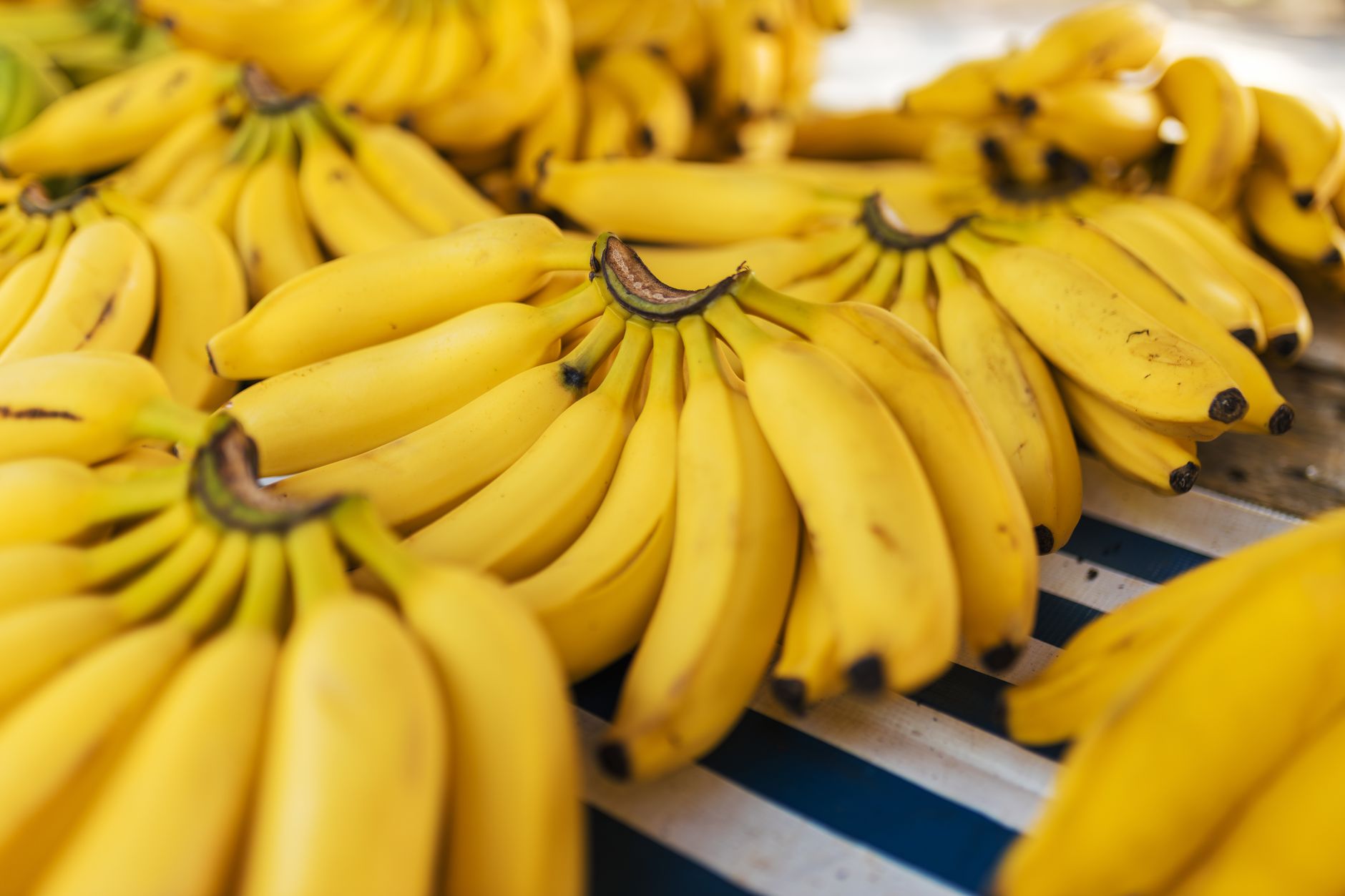
Yes, deer can eat bananas, and they often enjoy them as a sweet treat. However, while bananas are not toxic to deer, they should only be offered in moderation as part of a balanced diet.

Understanding Deer Dietary Habits
Deer are primarily herbivores, meaning their diet consists mainly of plants. Their digestive system is well-suited for breaking down grasses, leaves, twigs, fruits, nuts, and other vegetation. The specific diet of a deer varies depending on the season, the availability of food, and the geographical location. They are opportunistic feeders, meaning they will take advantage of available food sources, especially during times when natural food is scarce, such as during harsh winters.
What is the GREY African clawed frog?
Is distilled water good for goldfish?
What colours are fish most attracted to?
Can you put your finger in a trout's mouth?
Nutritional Value of Bananas for Deer

Bananas are a good source of vitamins and minerals, including potassium, vitamin B6, and vitamin C. They also contain dietary fiber and carbohydrates, primarily in the form of sugars. While these nutrients can be beneficial to deer, the high sugar content in bananas can also be problematic if consumed in excess.
- Potassium: Important for muscle function and nerve transmission.
- Vitamin B6: Plays a role in metabolism and immune function.
- Vitamin C: An antioxidant that supports immune health.
- Fiber: Aids in digestion.
- Sugars: Provides energy but can lead to digestive upset in excess.
Potential Benefits of Bananas for Deer
Offering bananas to deer in small quantities can provide them with a supplemental source of nutrients, especially during times when natural food sources are limited. In some cases, a small amount of sugar can provide a quick burst of energy. However, it is essential to remember that bananas should never replace a deer’s natural diet.
Potential Risks of Overfeeding Bananas
The primary risk associated with feeding bananas to deer is the potential for digestive upset. Deer are not naturally adapted to consume large quantities of sugary foods, and too much sugar can disrupt the balance of their gut bacteria, leading to diarrhea or other digestive problems. Overfeeding can also lead to nutritional imbalances, as the deer may become less likely to forage for the variety of plants they need to obtain all the essential nutrients.
Furthermore, regularly feeding deer can lead to dependency. Deer that become accustomed to being fed may lose their natural foraging instincts and become reliant on humans for food. This can make them more vulnerable during times when humans are not available to feed them and can also increase their risk of being hit by cars, as they may congregate near roads and populated areas in search of handouts.
Safe Practices for Feeding Bananas to Deer (If You Choose To)
If you choose to offer bananas to deer, it is crucial to do so responsibly:
- Limit the quantity: Offer only a small amount of banana – perhaps half a banana per deer at most.
- Frequency: Offer bananas only occasionally, not as a regular part of their diet.
- Cut into pieces: Slice the banana into smaller pieces to prevent choking and make it easier for the deer to consume.
- Observe the deer: Monitor the deer for any signs of digestive upset or other health problems after feeding them bananas.
- Avoid creating dependency: Do not feed deer regularly or in large quantities, as this can lead to dependency and other problems.
- Check local regulations: Be aware of any local laws or regulations regarding feeding wildlife, as it may be prohibited in some areas.
Alternatives to Bananas
While bananas can be offered as an occasional treat, there are other, healthier alternatives that you can provide to supplement a deer’s diet. These include:
- Apples: A good source of vitamins, minerals, and fiber.
- Carrots: Rich in vitamins and minerals, and they are relatively low in sugar.
- Oats: A good source of fiber and energy.
- Hay: Provides essential roughage for digestion.
| Food | Benefits | Risks |
|---|---|---|
| Bananas | Vitamins, minerals, quick energy. | High sugar content, digestive upset. |
| Apples | Vitamins, minerals, fiber. | Seeds contain cyanide (in small amounts). |
| Carrots | Vitamins, minerals, low sugar. | Can be difficult for young deer to chew. |
| Oats | Fiber, energy. | Can attract unwanted pests. |
| Hay | Roughage for digestion. | Requires proper storage to prevent mold. |
Frequently Asked Questions (FAQs)
Can baby deer eat bananas?
While baby deer (fawns) can technically eat bananas, it is generally not recommended. Fawns have very sensitive digestive systems, and the high sugar content in bananas can easily cause digestive upset. Their primary source of nutrition should be their mother’s milk or, as they get older, tender grasses and leaves. Introducing bananas could interfere with their ability to digest their natural food sources and obtain the necessary nutrients.
Are banana peels safe for deer to eat?
Yes, banana peels are generally safe for deer to eat, although they are much less palatable than the fruit itself. Deer may nibble on banana peels if they are hungry, but they are unlikely to eat them in large quantities. However, make sure to remove any stickers from the peel before offering it to deer.
What fruits are toxic to deer?
While most fruits are safe for deer in moderation, certain fruits contain compounds that can be toxic. For example, the pits of cherries, peaches, plums, and apricots contain cyanide, which can be poisonous to deer if consumed in large quantities.
How much banana is too much for a deer?
It is generally recommended to limit deer to no more than half a banana at a time. Feeding them an entire banana can cause digestive problems due to the high sugar content.
Will bananas attract deer to my yard?
Yes, bananas can attract deer to your yard, especially if they are already accustomed to foraging in the area. Deer have a keen sense of smell and are attracted to the sweet aroma of ripe bananas.
Is it illegal to feed deer bananas?
Whether or not it is illegal to feed deer bananas depends on the local laws and regulations in your area. Some jurisdictions prohibit feeding wildlife altogether, while others may have specific restrictions on the types of food that can be offered or the locations where feeding is allowed. It is essential to check with your local authorities to determine whether feeding deer is legal in your area.
Are there any health benefits of bananas for deer?
Bananas can provide deer with certain health benefits, such as a boost of vitamins and minerals. The potassium in bananas is important for muscle function, while the vitamin B6 and vitamin C support overall health. However, these benefits are only realized when bananas are consumed in moderation as part of a balanced diet.
Can I leave banana peels outside for deer to find?
Leaving banana peels outside for deer to find is generally not recommended. The peels can attract other animals, such as raccoons and rodents, to your yard. Additionally, the peels may not be consumed quickly, and they can become unsightly and attract flies.
What is the best time of year to feed deer bananas?
If you choose to feed deer bananas, the best time of year is during the late fall and winter months, when natural food sources are scarce. However, it is still important to limit the quantity and frequency of feeding to avoid creating dependency or causing digestive upset.
Will bananas make deer sick?
While bananas are not inherently toxic to deer, overfeeding can make them sick. The high sugar content can disrupt their digestive system and lead to diarrhea, bloating, or other digestive problems.
Do different breeds of deer react differently to bananas?
While there might be slight variations based on individual deer, generally different breeds of deer won’t react significantly differently to bananas. The digestive system of various deer species is fundamentally similar when it comes to processing fruit. The primary concern remains moderation, irrespective of the breed.
Should I only feed organic bananas to deer?
Feeding organic bananas to deer is a good idea, if possible, but not strictly necessary. Organic bananas are free from pesticides and herbicides, which can be harmful to deer. However, even non-organic bananas are generally safe to offer in small quantities, provided that they are ripe and free from mold or spoilage. Rinsing the banana before giving it to the deer is also a good practice.