
Can Deer Eat Popped Popcorn? A Comprehensive Guide
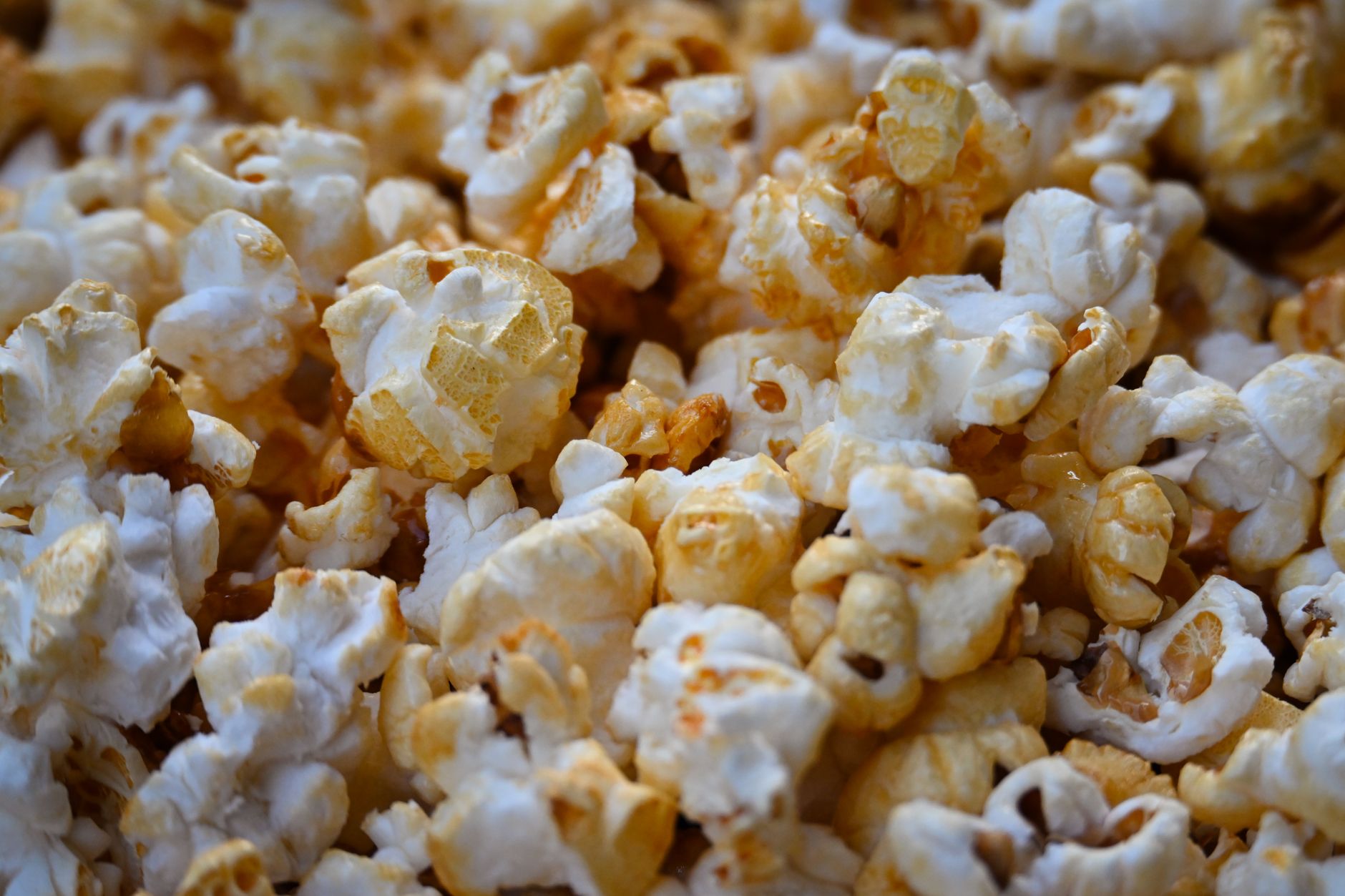
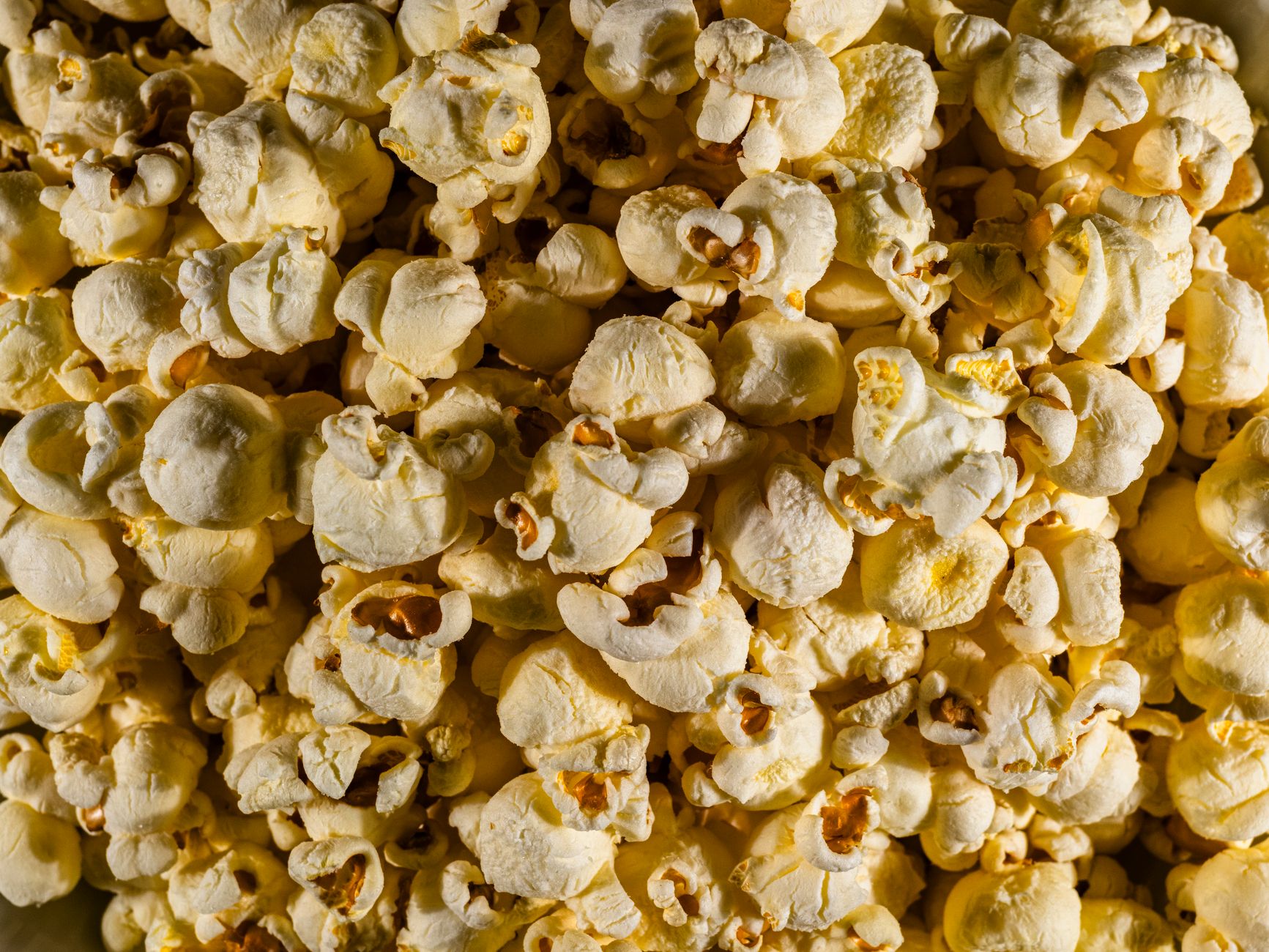
While seemingly harmless, offering deer popped popcorn is not recommended as it provides minimal nutritional value and can actually be detrimental to their health; therefore, the answer to “Can deer eat popped popcorn?” is generally no.
The Allure of Popcorn: Why Do We Ask?
The temptation to share a snack with wildlife, especially something as seemingly benign as popcorn, is understandable. Many people enjoy feeding birds or squirrels, and the idea of extending that kindness to deer may seem natural. Furthermore, the widespread availability and low cost of popcorn makes it an accessible treat. However, understanding the dietary needs and potential risks involved is crucial before offering any food to wild animals. Deer have specialized digestive systems and nutritional requirements that aren’t met by processed human food.

What is the GREY African clawed frog?
Is distilled water good for goldfish?
What colours are fish most attracted to?
Can you put your finger in a trout's mouth?
Deer Diet Basics

Deer are herbivores, primarily consuming grasses, leaves, twigs, fruits, nuts, and occasionally fungi. Their four-chambered stomach is designed to efficiently extract nutrients from these natural food sources. This system relies on a carefully balanced gut microbiome to break down complex plant matter. Introducing foreign foods, especially those high in carbohydrates and low in essential nutrients, can disrupt this delicate balance.
- Spring/Summer: Lush vegetation, new growth, flowers, and fruits.
- Fall: Acorns, nuts, berries, and late-season grasses.
- Winter: Woody browse (twigs, buds), evergreen foliage, and persistent fruits.
Why Popcorn is Problematic for Deer
While a small amount of plain popcorn might not immediately harm a deer, it offers very little nutritional benefit and can contribute to health problems if consumed regularly.
- Low Nutritional Value: Popcorn is primarily composed of carbohydrates and lacks essential vitamins, minerals, and proteins that deer require for optimal health.
- Digestive Issues: Deer are not well-equipped to digest large quantities of processed grains like corn. This can lead to digestive upset, bloating, and even life-threatening conditions like acidosis.
- Risk of Impaction: The hulls of popcorn can be difficult to digest and can potentially lead to impaction in the digestive tract, especially in young or weakened deer.
- Attracts Unwanted Animals: Leaving out popcorn or any food source can attract other animals, such as rodents, raccoons, and even predators, potentially disrupting the natural ecosystem.
- Habituation and Dependency: Feeding deer can lead to habituation, where they lose their natural fear of humans and become dependent on supplemental food sources. This can make them more vulnerable to predators, vehicles, and disease.
The Risks of Additives
Store-bought popcorn is rarely plain. It often contains butter, salt, sugar, and other flavorings that are harmful to deer.
- Salt: Excessive salt intake can lead to dehydration and electrolyte imbalances.
- Butter/Oil: High fat content can cause digestive problems and contribute to weight gain.
- Sugar: Sugar disrupts the gut microbiome and provides empty calories, leading to nutrient deficiencies.
- Artificial Flavorings: Many artificial flavorings are potentially toxic to animals.
A Better Approach: Responsible Wildlife Interaction
Instead of offering popcorn or other processed foods, consider these ways to responsibly interact with wildlife:
- Observe from a Distance: Enjoy watching deer in their natural habitat without interfering with their behavior.
- Plant Native Vegetation: Create a deer-friendly habitat in your yard by planting native trees, shrubs, and flowers that provide natural food sources.
- Support Conservation Efforts: Donate to organizations that protect deer habitats and promote responsible wildlife management practices.
Alternative Treats – Some Cautions
While popcorn is not recommended, there are some foods that are considered safer, in very small quantities and only as an occasional treat. Even with these, it’s essential to exercise caution:
- Apples and Pears: Sliced and offered in moderation.
- Carrots: Chopped into small pieces to prevent choking.
- Unsalted Nuts: Acorns, beechnuts, and hickory nuts are naturally part of the deer’s diet. However, large quantities can still cause digestive upset.
Crucially: The best approach is always to allow deer to forage naturally.
Comparison Table: Popcorn vs. Natural Deer Food
| Feature | Popcorn (Popped, Plain) | Natural Deer Food (e.g., Acorns) |
|---|---|---|
| Nutritional Value | Low | High |
| Key Nutrients | Primarily Carbohydrates | Protein, Fiber, Vitamins, Minerals |
| Digestibility | Difficult | Easy |
| Potential Risks | Impaction, Upset, Habituation | Minimal |
Frequently Asked Questions About Deer and Popcorn
Is it illegal to feed deer popcorn?
While not always illegal per se, many states and municipalities have regulations regarding feeding wildlife, including deer. These laws are often in place to prevent habituation, disease transmission, and other ecological problems. Check your local regulations before offering any food to deer.
Can deer eat kettle corn?
Absolutely not. Kettle corn contains high levels of sugar and salt, both of which are detrimental to deer health. Avoid offering any flavored popcorn to deer.
What if I only give them a little bit of popcorn?
Even small amounts of popcorn offer minimal nutritional benefit and can contribute to digestive issues over time, especially if deer come to rely on it as a food source. It’s best to avoid feeding them popcorn altogether.
My neighbor feeds deer popcorn all the time. Is it really that bad?
While an occasional small amount may not be immediately fatal, consistent feeding of popcorn or other inappropriate foods can lead to long-term health problems for deer and disrupt the local ecosystem. Encourage your neighbor to discontinue this practice.
What are the signs that a deer is sick from eating the wrong foods?
Signs of digestive upset in deer can include bloating, diarrhea, loss of appetite, lethargy, and unusual behavior. In severe cases, acidosis can lead to neurological symptoms and even death. Consult a wildlife rehabilitator if you suspect a deer is ill.
Are baby deer (fawns) more susceptible to harm from popcorn?
Yes, fawns have even more sensitive digestive systems than adult deer and are particularly vulnerable to the negative effects of inappropriate foods like popcorn. Never feed popcorn to fawns.
What should I do if I accidentally left popcorn out and a deer ate some?
Monitor the deer for any signs of illness. If the deer appears healthy and is behaving normally, there is likely no cause for alarm. However, avoid leaving popcorn out in the future.
Are there any human foods that are safe to feed deer?
While small amounts of certain fruits and vegetables can be safe, it’s generally best to avoid feeding deer human food. Their natural diet is the most nutritious and appropriate for their needs. If you feel compelled to offer something, consider planting native vegetation that deer will naturally forage on.
Will deer starve if I don’t feed them?
Deer are well-adapted to survive in their natural environment and are capable of finding food on their own. Supplemental feeding can actually be detrimental, as it can disrupt their natural foraging behavior and make them dependent on human handouts.
Does popcorn provide any benefit to deer?
No, popcorn offers virtually no nutritional benefit to deer. It lacks the essential vitamins, minerals, and proteins they need to thrive.
Can feeding deer popcorn cause them to become aggressive?
Yes, feeding deer can lead to habituation, where they lose their natural fear of humans and become more demanding and even aggressive in their pursuit of food. This can be dangerous for both humans and deer.
If not popcorn, what is the best way to help deer in the winter?
The best way to help deer in the winter is to support conservation efforts that protect their natural habitats and ensure they have access to adequate food and shelter. Planting native vegetation and avoiding disturbance of their winter ranges are also beneficial.