
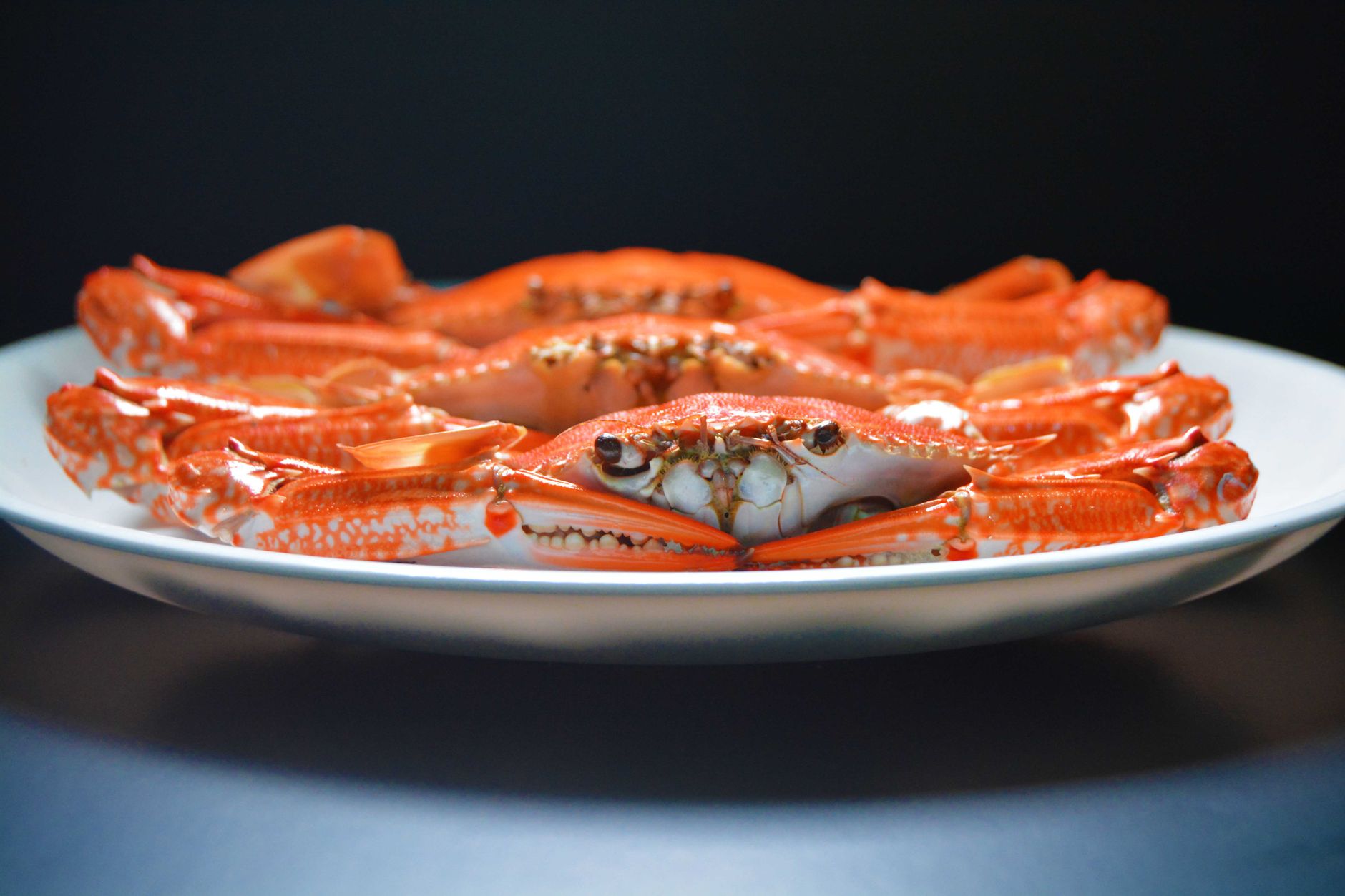
Can Crab Legs Grow Back? Exploring Limb Regeneration in Crustaceans
The answer to Can crab legs grow back? is a resounding yes! Crabs possess an incredible ability to regenerate lost limbs through a process called autotomy and subsequent molting.

Introduction to Crab Limb Regeneration
Crabs, like many crustaceans, have developed remarkable strategies for survival. One of the most fascinating is their ability to regenerate lost limbs, including their prized legs. This capability not only aids in escaping predators but also allows them to repair damage sustained during territorial disputes or accidental injuries. Understanding how this regeneration process works provides valuable insight into the broader field of regenerative biology and potential applications for other species, including humans. The process is complex and intricately linked to the crab’s molting cycle. Can crab legs grow back? Absolutely, but the new limb’s size and functionality often depend on the crab’s age and the number of molts it undergoes.

Is distilled water good for goldfish?
What colours are fish most attracted to?
Can you put your finger in a trout's mouth?
Is methylene blue anti bacterial?
Autotomy: The Act of Self-Amputation

Autotomy is the voluntary shedding of a body part, usually a limb. In crabs, this is a defensive mechanism triggered by stress or physical trauma. The process is carefully controlled to minimize blood loss and prevent infection.
- Pre-determined Break Points: Crabs have special fracture planes within their limbs.
- Muscle Contraction: Muscles contract to seal the wound immediately after limb loss.
- Reduced Blood Loss: This minimizes the risk of infection and conserves vital resources.
The Molting Process and Limb Regeneration
The molting cycle is crucial for crab growth and limb regeneration. Crabs have a hard exoskeleton that restricts their growth; therefore, they must shed it periodically and grow a new, larger one. Limb regeneration happens during this process.
- Preparation: The crab absorbs water to swell its body and separate from its old shell.
- Molting: The crab emerges from its old exoskeleton.
- Hardening: The new exoskeleton is initially soft and pliable but hardens over time.
- Regeneration Window: The regenerated limb grows within a protective sac during the molting process.
Factors Affecting Limb Regeneration
Several factors influence the success and completeness of limb regeneration in crabs:
- Age: Younger crabs tend to regenerate limbs more quickly and efficiently than older crabs.
- Nutritional Status: A well-nourished crab has more resources available for regeneration.
- Environmental Conditions: Water quality, temperature, and salinity can all affect regeneration rates.
- Location of Limb Loss: How close the break is to the body can impact the rate and success of regeneration. A break closer to the body provides for a better and faster result.
Limitations of Limb Regeneration
While crabs are capable of limb regeneration, there are limitations:
- Size: Regenerated limbs are often smaller than the original limbs, especially after only one molt. It can take multiple molts for a limb to reach its full size.
- Functionality: Regenerated limbs may not be as strong or have the same range of motion as the original limbs.
- Energy Cost: Regeneration requires a significant amount of energy, which can impact growth and reproduction.
Potential Applications of Understanding Crab Limb Regeneration
Studying crab limb regeneration could have implications for human medicine:
- Wound Healing: Understanding the mechanisms of tissue regeneration could lead to new therapies for wound healing.
- Limb Regeneration Research: While full limb regeneration in humans is currently beyond our capabilities, studying simpler systems like crab limb regeneration can provide valuable insights.
- Tissue Engineering: The principles of cell growth and differentiation learned from crab regeneration could be applied to tissue engineering.
Table: Comparison of Original vs. Regenerated Crab Legs
| Feature | Original Leg | Regenerated Leg |
|---|---|---|
| Size | Larger | Smaller (initially) |
| Strength | Stronger | Weaker (initially) |
| Functionality | Full Range of Motion | Reduced Range of Motion |
| Growth Rate | Slower | Faster (initially) |
| Number of Molts to Match Original | N/A | Multiple |
Bullet List: Steps in Crab Limb Regeneration
- Autotomy: Crab sheds the damaged limb.
- Wound Closure: The wound seals to prevent infection.
- Blastema Formation: A mass of undifferentiated cells forms at the wound site.
- Regeneration: The new limb grows within a protective sac during the molting process.
- Hardening: The new exoskeleton hardens, and the regenerated limb becomes functional.
Frequently Asked Questions (FAQs)
What is the blastema in crab limb regeneration?
The blastema is a mass of undifferentiated cells that forms at the wound site after a crab loses a limb. It’s essentially a pool of cells ready to be programmed and developed into the new limb. This cluster is crucial for regeneration to even begin.
How long does it take for a crab leg to fully regenerate?
The time it takes for a crab leg to fully regenerate depends on several factors, including the crab’s age, species, and environmental conditions. Generally, it takes multiple molts for a regenerated limb to reach its full size and functionality. Expect to see noticeable improvement between each molt cycle.
Can all species of crabs regenerate their legs?
Yes, most crab species possess the ability to regenerate limbs. However, the efficiency and completeness of regeneration can vary between species. Some species might regenerate limbs faster or more completely than others. Differences can exist even within the same species based on individual crab health.
Is a regenerated crab leg as strong as the original?
Initially, a regenerated crab leg is not as strong as the original. It may also have a limited range of motion. However, with successive molts, the regenerated leg can gradually increase in size and strength.
Does regenerating a leg affect a crab’s overall health?
Yes, limb regeneration requires a significant amount of energy. This energy expenditure can impact the crab’s growth, reproduction, and overall health, particularly if it loses multiple limbs or experiences other stressors.
What happens if a crab doesn’t molt after losing a leg?
If a crab doesn’t molt after losing a leg, the wound will heal, but the limb will not regenerate. The regeneration process is intrinsically linked to the molting cycle. Can crab legs grow back? Only if the crab is able to molt.
Can a crab regenerate more than one leg at a time?
Yes, crabs can regenerate multiple legs simultaneously. However, doing so places a greater energy demand on the crab, potentially impacting its overall health and growth.
Does the location of the break affect the regeneration process?
Yes, the location of the break can affect the regeneration process. A break closer to the body generally results in a faster and more complete regeneration compared to a break further down the limb.
What role do hormones play in limb regeneration?
Hormones, particularly ecdysone (a molting hormone), play a crucial role in regulating the molting cycle and, consequently, limb regeneration. Ecdysone triggers the molting process, which provides the opportunity for limb regeneration to occur.
Are there any predators that target crabs’ regenerating limbs?
Yes, some predators may target crabs with regenerating limbs because these limbs are often softer and more vulnerable than the original limbs.
Can pollution affect the regeneration process in crabs?
Yes, pollution can negatively impact the regeneration process in crabs. Exposure to pollutants can disrupt the molting cycle, interfere with hormone regulation, and impair the growth of new tissue.
How is crab leg regeneration studied in the lab?
Crab leg regeneration is studied in the lab by inducing autotomy (removing a limb) and then monitoring the regeneration process over time. Researchers use various techniques, such as microscopy, molecular biology, and physiological measurements, to study the cellular and molecular mechanisms involved in regeneration.