

Can Anything Kill a Tiger? The Apex Predator’s Vulnerabilities
The mighty tiger, an apex predator, reigns supreme in its habitat, but it is not invincible. While Can anything kill a tiger? seems a simple question, the answer is complex: disease, starvation, habitat loss, and, most significantly, other tigers and humans pose real threats to these magnificent creatures.

The Tiger’s Dominance: A Closer Look
The tiger, a symbol of power and ferocity, occupies the top rung of the food chain in its natural environment. Its impressive size, strength, and agility, combined with sharp teeth and claws, make it a formidable hunter. Tigers primarily prey on large ungulates such as deer, wild boar, and even buffalo, often overpowering prey much larger than themselves. This apex predator status suggests invulnerability, yet tigers are surprisingly vulnerable.

Is distilled water good for goldfish?
What colours are fish most attracted to?
Can you put your finger in a trout's mouth?
Is methylene blue anti bacterial?
Threats Within the Tiger Population
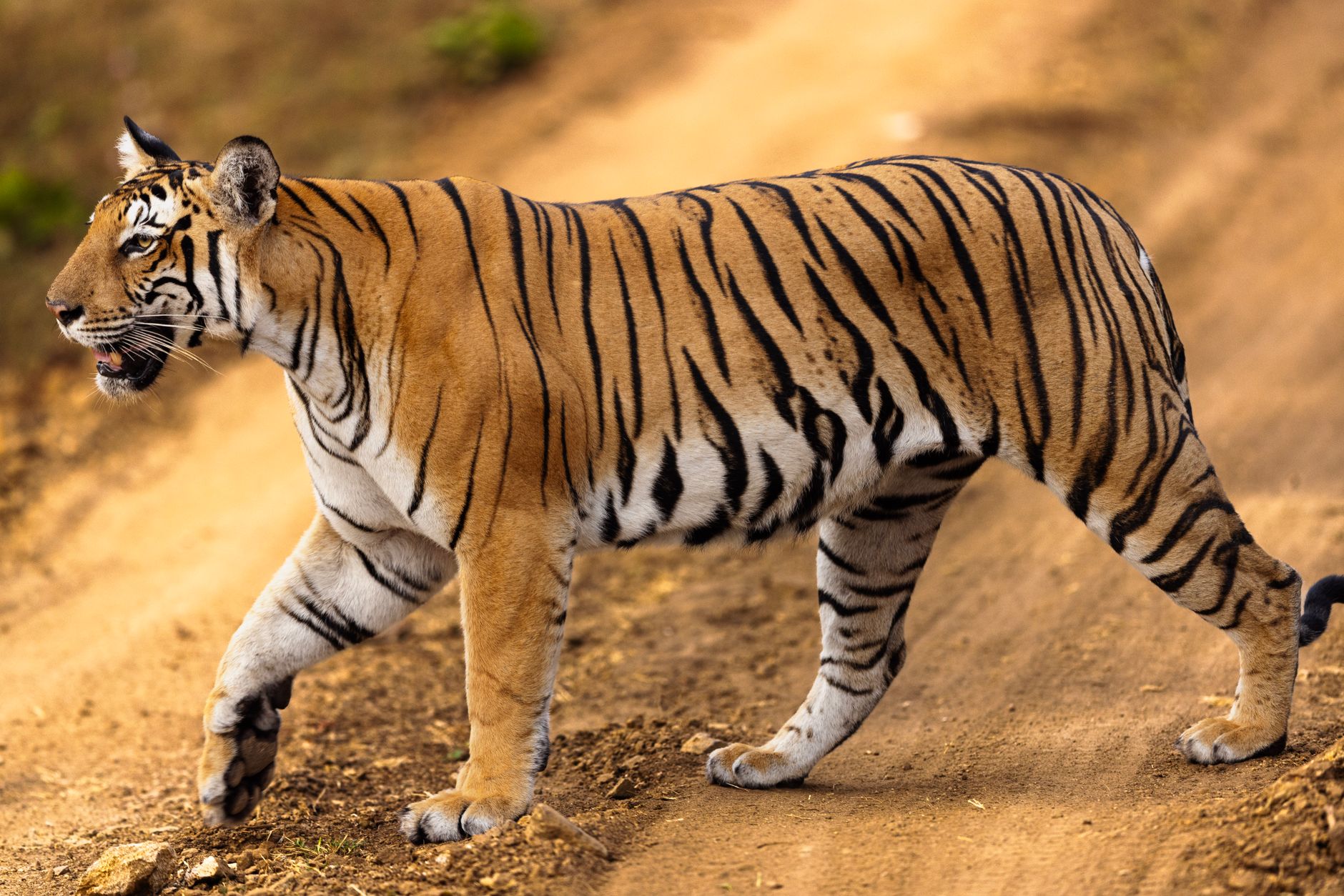
While they are apex predators, other tigers themselves are a danger.
- Territorial Disputes: Male tigers are fiercely territorial, and conflicts over territory often lead to violent clashes. These fights can result in serious injuries and even death. Infanticide is also practiced, with dominant males sometimes killing cubs fathered by rival males, furthering their own genetic lineage.
- Starvation: While tigers are skilled hunters, a successful hunt is not guaranteed. Injury, old age, or scarcity of prey can lead to starvation, especially for older or less experienced individuals.
- Disease: Like any wild animal, tigers are susceptible to various diseases, including canine distemper, feline immunodeficiency virus (FIV), and tuberculosis. These diseases can weaken tigers, making them more vulnerable to other threats.
The Human Impact: A Devastating Force
Perhaps the greatest threat to tigers is human activity.
- Habitat Loss and Fragmentation: As human populations expand, tiger habitats are increasingly destroyed and fragmented by agriculture, logging, and urbanization. This reduces the availability of prey and forces tigers into smaller, isolated areas, increasing competition and vulnerability.
- Poaching: Illegal poaching for tiger parts, used in traditional medicine and as status symbols, remains a significant threat. The high demand for tiger bones, skins, and other body parts fuels the black market, driving poaching activities.
- Human-Wildlife Conflict: As tiger habitats shrink, tigers are more likely to encounter humans and livestock, leading to conflict. In retaliatory killings, tigers that prey on livestock are often killed by farmers seeking to protect their livelihoods.
The Role of Climate Change
Climate change is an emerging threat to tiger populations.
- Sea Level Rise: In low-lying coastal habitats like the Sundarbans mangrove forest (home to the Bengal tiger), rising sea levels are inundating tiger habitats, reducing freshwater sources, and displacing prey species.
- Extreme Weather Events: Increased frequency and intensity of extreme weather events, such as droughts and floods, can disrupt ecosystems and reduce prey availability, further threatening tiger populations.
Table: Threats to Tiger Populations
| Threat | Description | Impact |
|---|---|---|
| Territorial Disputes | Conflicts between tigers over territory and mates. | Injury, death, infanticide. |
| Starvation | Lack of prey or inability to hunt successfully. | Weakness, increased vulnerability, death. |
| Disease | Susceptibility to various diseases like canine distemper, FIV, and tuberculosis. | Weakness, increased vulnerability, death. |
| Habitat Loss | Destruction and fragmentation of tiger habitats due to human activities. | Reduced prey availability, increased competition, isolated populations. |
| Poaching | Illegal hunting for tiger parts for traditional medicine and status symbols. | Significant decline in tiger populations. |
| Human-Wildlife Conflict | Encounters between tigers and humans or livestock, leading to retaliatory killings. | Death of tigers and increased animosity towards conservation efforts. |
| Climate Change | Rising sea levels, extreme weather events, and changes in prey distribution. | Habitat loss, reduced prey availability, disrupted ecosystems. |
Conservation Efforts: A Glimmer of Hope
Despite the numerous threats, conservation efforts are underway to protect tiger populations. These include:
- Anti-Poaching Patrols: Strengthening anti-poaching patrols and law enforcement to deter illegal hunting.
- Habitat Restoration: Restoring degraded habitats and creating protected areas to provide safe havens for tigers.
- Community Engagement: Working with local communities to reduce human-wildlife conflict and promote sustainable livelihoods.
- Translocation Programs: Relocating tigers to new areas to establish new populations and increase genetic diversity.
Frequently Asked Questions (FAQs)
Are tigers naturally afraid of anything?
While tigers are apex predators, they are naturally cautious and avoid unnecessary risks. They may be wary of strong currents in rivers or very large, healthy prey that could inflict injury. They tend to avoid encounters that could lead to injury, especially those involving other large predators like bears or crocodiles, although they may compete for resources if necessary.
Can a pack of wolves kill a tiger?
In theory, a very large and coordinated pack of wolves might be able to kill a tiger, especially a young or injured one. However, this is extremely unlikely in reality. Wolves and tigers rarely share the same habitats, and tigers are powerful enough to fend off most wolf attacks. A healthy adult tiger would likely kill several wolves before succumbing to their attacks.
Could a bear defeat a tiger?
The outcome of a fight between a tiger and a bear is highly dependent on the species, size, and temperament of the individuals involved. A large Siberian tiger might have the advantage against a smaller bear species. However, a grizzly bear or a polar bear, both significantly larger than tigers, would likely win in a direct confrontation, owing to their sheer size, strength, and thick fur.
What is the most dangerous thing to a tiger?
The most dangerous thing to a tiger is undoubtedly humans. Poaching and habitat loss, driven by human activities, pose the greatest threat to tiger populations worldwide. Human activities have pushed these magnificent animals to the brink of extinction, making conservation efforts essential for their survival.
Are tigers immune to snake venom?
Tigers are not immune to snake venom. While their thick fur provides some protection against snake bites, a venomous snake bite can still be dangerous or even fatal, especially if the snake injects a significant amount of venom. However, tigers typically don’t prey on snakes and avoid unnecessary encounters.
Do tigers ever hunt other predators?
Tigers occasionally hunt other predators, especially if they are competing for the same prey or if prey is scarce. They have been known to kill leopards, wolves, and even crocodiles. These encounters are often opportunistic, with the tiger taking advantage of a vulnerable individual.
What is the lifespan of a tiger in the wild?
The average lifespan of a tiger in the wild is around 8-10 years, but some individuals can live up to 15 years. Factors that affect lifespan include prey availability, habitat quality, disease, and conflict with humans or other tigers.
Are tiger attacks on humans common?
Tiger attacks on humans are relatively rare, but they do occur, particularly in areas where tigers’ habitats have been fragmented and where human populations are encroaching on tiger territory. Most attacks are defensive, occurring when a tiger feels threatened or cornered. Man-eating tigers are rare and often old, injured, or unable to hunt their natural prey effectively.
What is being done to protect tigers?
Numerous conservation efforts are underway to protect tiger populations. These include anti-poaching patrols, habitat restoration, community engagement, and translocation programs. International agreements, such as the Global Tiger Recovery Program, aim to double the number of tigers in the wild by 2022 (a goal not fully met, but progress was made).
How many tigers are left in the wild?
As of 2023, it is estimated that there are around 4,500 tigers left in the wild. This represents a significant increase from the historical low of around 3,200 in 2010, thanks to dedicated conservation efforts.
What is the biggest threat to the Bengal tiger?
The biggest threat to the Bengal tiger, which inhabits the Indian subcontinent, is habitat loss and fragmentation. The expanding human population is converting tiger habitats into agricultural land, urban areas, and infrastructure, reducing prey availability and isolating tiger populations. Climate change, particularly in the Sundarbans, also poses a growing threat.
Can anything kill a tiger besides humans?
While humans represent the most pervasive threat to tiger populations, other tigers, starvation, and disease pose natural dangers to these animals. These are often exacerbated by habitat loss, climate change, and human activities. Even without direct human interference, can anything kill a tiger? The answer is yes, though a healthy, adult tiger in a thriving environment is remarkably resilient.