

Can Tigers Reproduce? Unveiling the Mysteries of Tiger Reproduction
Yes, tigers absolutely can and do reproduce. The complex process, vital for the survival of this magnificent species, is explored in detail below, shedding light on tiger mating, gestation, cub rearing, and the challenges they face in the wild.

The Biological Imperative: Tiger Reproduction
The ability to reproduce is fundamental to the survival of any species, and the tiger is no exception. Tigers, apex predators that once roamed vast territories across Asia, now face numerous threats, making successful reproduction even more critical. Understanding the intricacies of their reproductive biology and behavior is crucial for effective conservation efforts.

Is distilled water good for goldfish?
What colours are fish most attracted to?
Can you put your finger in a trout's mouth?
Is methylene blue anti bacterial?
The Tiger’s Reproductive Cycle
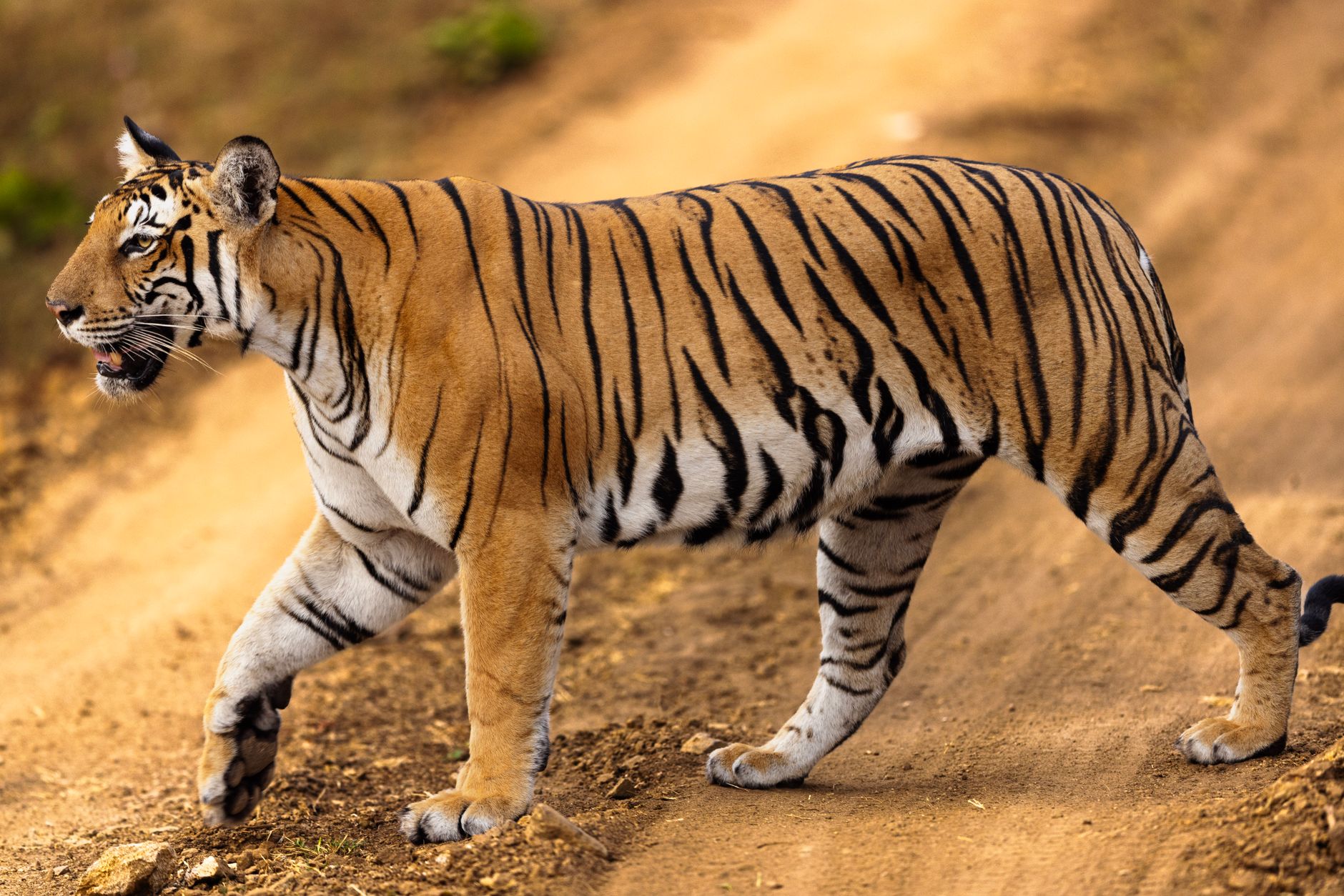
Tigers are generally solitary animals, but they come together for mating. The estrous cycle in female tigers, also known as tigresses, lasts approximately three to nine weeks. When a tigress is receptive, she will leave scent markings and vocalize to attract a male.
Mating Rituals and Behaviors
The mating ritual of tigers is often a noisy and intense affair. Males may fight for the right to mate with a female. The actual act of mating is relatively brief but can occur multiple times over several days to ensure fertilization.
Gestation and Cub Development
Gestation in tigers lasts around 93 to 112 days. Tigresses typically give birth in secluded dens, such as caves or dense vegetation. Litter sizes range from one to seven cubs, although the average is two to three.
- Cub Mortality: Unfortunately, cub mortality rates are high, with many cubs dying within the first year of life due to predation, disease, or abandonment.
Rearing and Weaning of Tiger Cubs
Tigresses are devoted mothers. They nurse their cubs for several months and gradually introduce them to solid food, such as meat. Cubs remain dependent on their mother for up to two years, learning essential hunting and survival skills.
- Learning to Hunt: The tigress teaches her cubs how to stalk prey, ambush, and kill. These lessons are vital for their future survival.
Factors Influencing Tiger Reproduction
Several factors can influence tiger reproduction rates, including:
- Habitat Availability: Loss of habitat due to deforestation and human encroachment can reduce the number of suitable breeding territories.
- Prey Availability: Adequate prey is essential for tigresses to maintain their health and successfully raise cubs.
- Human-Wildlife Conflict: Poaching and retaliatory killings by humans can decimate tiger populations, impacting reproductive success.
- Genetic Diversity: Small, isolated populations suffer from reduced genetic diversity, leading to increased rates of congenital abnormalities and reduced fertility.
Conservation Efforts to Enhance Tiger Reproduction
Numerous conservation initiatives are underway to protect tiger populations and enhance their reproductive success. These include:
- Habitat Protection and Restoration: Establishing protected areas and restoring degraded habitats provide secure breeding grounds for tigers.
- Anti-Poaching Measures: Strengthening anti-poaching patrols and enforcing wildlife laws reduces the threat of illegal hunting.
- Community Engagement: Involving local communities in conservation efforts fosters a sense of ownership and reduces human-wildlife conflict.
- Translocation Programs: Moving tigers from areas with high densities to areas with low densities can increase breeding opportunities and genetic diversity.
Challenges to Tiger Reproduction in Captivity
While tigers can reproduce in captivity, breeding programs face their own set of challenges.
- Genetic Management: Maintaining genetic diversity in captive populations is crucial to avoid inbreeding and associated health problems.
- Behavioral Compatibility: Not all tigers are compatible for breeding. Careful matching of individuals is necessary to ensure successful mating.
- Stress and Environment: The captive environment can be stressful for tigers, impacting their reproductive behavior and success.
The Future of Tiger Reproduction
The future of tiger reproduction depends on continued conservation efforts. Protecting their habitat, reducing poaching, and mitigating human-wildlife conflict are essential steps. By working together, we can ensure that these magnificent creatures continue to reproduce and thrive for generations to come. The fate of tigers rests on our ability to understand and support their reproductive needs.
Understanding Artificial Insemination in Tigers
While natural reproduction is the ideal, artificial insemination (AI) is sometimes used in captive breeding programs to increase genetic diversity and improve breeding success. This technique involves collecting sperm from a male tiger and artificially inseminating a female. While complex, AI has proven successful in certain cases.
Frequently Asked Questions About Tiger Reproduction
How often do tigers reproduce?
Tigresses typically reproduce every two to three years, provided they have sufficient resources and their cubs survive. However, if a litter is lost early, they may breed again sooner. Successful reproduction depends heavily on the tigress’s health and the availability of prey.
What is the average lifespan of a tiger?
In the wild, tigers typically live for 8 to 10 years, while in captivity, they can live for 16 to 20 years. This longer lifespan in captivity can extend their reproductive window.
At what age do tigers reach sexual maturity?
Female tigers reach sexual maturity at around three to four years of age, while males mature at around four to five years. This is the age at which they become capable of reproducing.
How many cubs are typically in a tiger litter?
The average litter size for tigers is two to three cubs, although litters can range from one to seven cubs. However, not all cubs survive to adulthood.
What are the main causes of cub mortality?
The main causes of cub mortality include predation by other animals, disease, starvation due to lack of prey, and abandonment by the mother if she is unable to care for them. Conservation efforts focus on mitigating these threats.
Do male tigers help raise the cubs?
Unlike some other cat species, male tigers typically do not participate in raising the cubs. The tigress is solely responsible for their care and protection. This puts a significant burden on the female tiger.
Can tigers reproduce with other big cat species?
While rare, tigers can interbreed with lions in captivity, resulting in hybrids known as ligers (father is a lion) or tigons (father is a tiger). These hybrids are infertile. Such interbreeding does not occur in the wild.
What is the role of scent marking in tiger reproduction?
Scent marking plays a crucial role in tiger reproduction by allowing tigers to communicate their presence and reproductive status. Tigresses use scent marking to signal when they are in estrus. This is vital for attracting potential mates.
How does habitat loss affect tiger reproduction?
Habitat loss reduces the availability of suitable breeding territories and prey, making it more difficult for tigers to reproduce successfully. This is one of the biggest threats to tiger populations.
What are some signs that a tigress is pregnant?
Signs that a tigress is pregnant include weight gain, increased appetite, and a change in behavior, such as becoming more reclusive and protective. These signs can help conservationists monitor tiger populations.
What is the role of genetic diversity in tiger reproduction?
Genetic diversity is essential for the long-term survival of tiger populations. Small, isolated populations with low genetic diversity are more vulnerable to disease and inbreeding, which can reduce fertility and increase cub mortality. Conservation programs aim to maintain and enhance genetic diversity.
How does climate change impact tiger reproduction?
Climate change can impact tiger reproduction by altering prey availability, increasing the risk of extreme weather events, and disrupting habitats. These changes can negatively affect tiger populations and their ability to reproduce.