

Can a Horse Get Back Up After Falling Down? Understanding Equine Recumbency
The answer is a resounding yes, a healthy horse can usually get back up after falling down. However, the ease and success of this process depend heavily on the horse’s health, the environment, and the circumstances of the fall.

Introduction: The Ups and Downs of Equine Posture
Horses, despite their size and power, are surprisingly vulnerable to falls. These falls can range from simple stumbles to more serious collapses. Understanding the mechanics of a horse’s ability to rise after a fall, and the factors that can impede that ability, is crucial for any horse owner or caretaker. This article will delve into the complex interplay of factors that influence a horse’s ability to regain its footing, examining the common causes of falls, the physiological challenges involved in standing, and the steps that can be taken to assist a fallen horse.

What is the GREY African clawed frog?
Is distilled water good for goldfish?
What colours are fish most attracted to?
Can you put your finger in a trout's mouth?
Why Horses Fall: Common Causes of Equine Recumbency
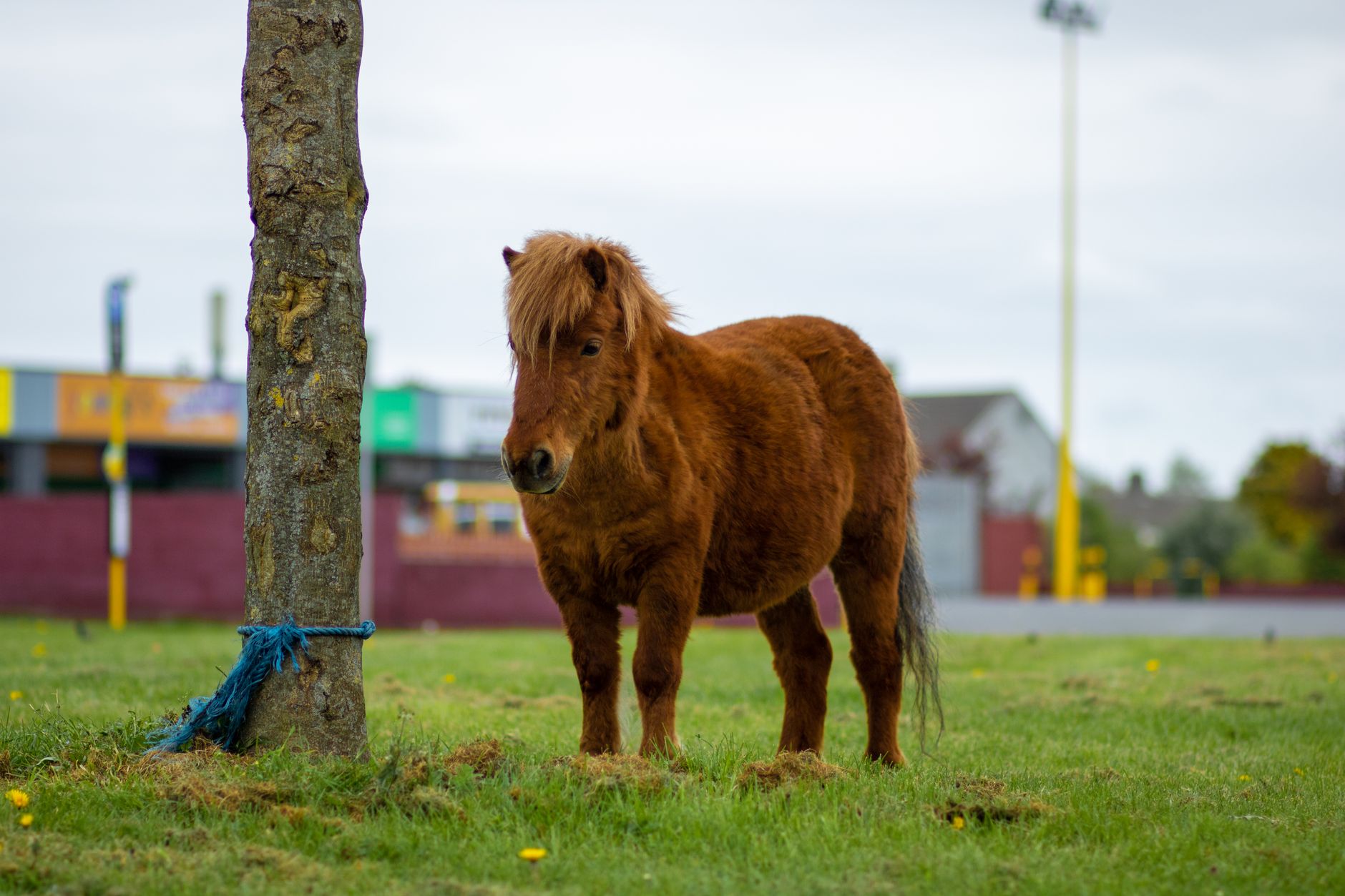
Several factors can contribute to a horse falling down. Understanding these causes is the first step in preventing falls and ensuring a horse’s safety.
- Medical Conditions: Neurological diseases like equine protozoal myeloencephalitis (EPM), musculoskeletal problems like arthritis, and cardiovascular issues can all lead to weakness and a compromised ability to maintain balance.
- Environmental Hazards: Uneven terrain, slippery surfaces (ice or mud), and obstacles in the horse’s path can easily cause a fall.
- Age and Fitness: Foals are more prone to falls due to their developing coordination, while older horses may have age-related weaknesses.
- Trauma: Direct injuries, such as being kicked by another horse, can lead to falls.
- Seizures: Though less common, seizures can cause sudden collapse and loss of control.
The Biomechanics of Standing: A Horse’s Delicate Balance
Getting back on its feet is no simple task for a horse. It requires significant strength, coordination, and a healthy nervous system.
- Weight Distribution: A horse’s weight is unevenly distributed, with a significant portion concentrated in the front end. This makes maintaining balance crucial.
- Muscle Strength: Strong leg and back muscles are essential for powering the process of standing.
- Coordination: The nervous system must coordinate muscle movements precisely to ensure a smooth and successful transition from lying down to standing.
- Joint Flexibility: Healthy joints are vital for allowing the horse to maneuver into a position suitable for rising.
Factors Influencing a Horse’s Ability to Rise
Numerous factors can influence Can a horse get back up after falling down?. These can range from the horse’s overall health to the surrounding environment.
- Age and Physical Condition: A young, healthy horse is far more likely to recover quickly than an older, weaker one.
- Underlying Medical Issues: Existing health problems can significantly impair a horse’s ability to rise.
- Surface Conditions: A slippery or uneven surface makes it much harder for a horse to gain traction and stand up.
- Confinement: Being trapped or confined can prevent a horse from maneuvering into a rising position.
- Pain: Pain from injuries or underlying conditions can inhibit movement and the desire to stand.
Assisting a Fallen Horse: When and How to Help
Knowing when and how to assist a fallen horse is vital. However, safety is paramount.
- Assess the Situation: Approach cautiously and observe the horse’s behavior. Is it thrashing, calm, or visibly injured?
- Ensure Safety: Keep other horses and people away from the area. Wear appropriate protective gear.
- Provide Traction: If the surface is slippery, add sand, straw, or other materials to provide better footing.
- Remove Obstacles: Clear any obstructions that might be preventing the horse from rising.
- Call for Veterinary Assistance: If the horse is unable to rise after a reasonable amount of time (15-20 minutes) or is visibly injured, call a veterinarian immediately.
- Encourage Movement: If possible, gently encourage the horse to shift its weight and attempt to stand. Avoid pulling or forcing the horse.
- Stay Calm: Maintain a calm and reassuring presence. Horses are sensitive to human emotions and can become more agitated if you are stressed.
When to Seek Veterinary Assistance
Prompt veterinary attention is crucial in certain situations.
- Visible Injuries: Any sign of injury, such as bleeding, swelling, or lameness, warrants immediate veterinary examination.
- Prolonged Recumbency: If the horse is unable to rise after a reasonable attempt, it needs veterinary assistance.
- Neurological Signs: Any signs of neurological problems, such as disorientation, incoordination, or seizures, require immediate veterinary attention.
- Colic Symptoms: Signs of colic, such as abdominal pain, restlessness, or pawing, should be addressed by a veterinarian.
Prevention is Key: Reducing the Risk of Falls
Taking preventative measures is essential to minimizing the risk of falls.
- Maintain a Safe Environment: Ensure that pastures and stables are free of hazards, such as holes, loose debris, and slippery surfaces.
- Provide Regular Exercise: Regular exercise helps to maintain muscle strength and coordination.
- Monitor Horse Health: Regular veterinary checkups can help to identify and address underlying health problems that could increase the risk of falls.
- Appropriate Footing: Providing appropriate footing in arenas and training areas is crucial for preventing slips and falls.
Understanding the Seriousness of Prolonged Recumbency
Prolonged recumbency, or the inability to rise, can have serious consequences for a horse. Muscle damage, pressure sores, and kidney damage can occur if a horse remains down for too long. Prompt veterinary intervention is crucial to minimize these risks.
Frequently Asked Questions (FAQs)
What are the immediate signs that a horse needs help getting up?
If a horse is struggling to rise, displaying signs of pain, or appears disoriented, it likely needs assistance. Other signs include repeated attempts to stand without success, thrashing, and reluctance to put weight on a limb.
Can a horse break a leg trying to get up after a fall?
Yes, it is possible for a horse to break a leg while trying to get up, especially if it is struggling on an uneven or slippery surface. That is why providing proper assistance is so important.
How long is too long for a horse to be down before needing veterinary intervention?
Generally, if a horse is unable to rise after 15-20 minutes of reasonable attempts, veterinary intervention is warranted. Prolonged recumbency can lead to serious complications.
What is the most common reason a horse can’t get up after falling down?
The most common reasons are underlying medical conditions, injuries sustained during the fall, or environmental factors such as slippery surfaces.
What can I do to help a horse that is panicking after a fall?
Stay calm and speak to the horse in a soothing voice. Try to create a safe and quiet environment. Avoid making sudden movements or loud noises that could further agitate the horse.
Is it safe to pull on a horse’s tail to help it get up?
No, it is generally not recommended to pull on a horse’s tail to help it get up, as this can cause injury. Focus on providing traction and removing obstacles.
Can a horse recover from being down for an extended period (e.g., several hours)?
It depends on the underlying cause and the extent of any resulting complications. Some horses can recover with intensive veterinary care, but prolonged recumbency can lead to irreversible damage.
What role does nutrition play in a horse’s ability to get up after a fall?
Proper nutrition is essential for maintaining muscle strength and overall health. A well-balanced diet can help to ensure that a horse has the physical reserves needed to rise after a fall.
Can old horses ever regain the ability to get up independently after falling?
It depends on the individual horse and the underlying cause of the fall. Some older horses may be able to regain their independence with physical therapy and supportive care, while others may require ongoing assistance.
How can I prevent my horse from falling in the first place?
Maintain a safe environment, provide regular exercise, monitor your horse’s health, and ensure that they have appropriate footing. Regular farrier care is also crucial.
What is “downer horse syndrome” and how does it relate to this topic?
“Downer horse syndrome” refers to a condition in which a horse is unable to rise for a prolonged period despite treatment. It can be caused by a variety of factors and is a serious condition that requires intensive veterinary care.
Can equine-assisted therapies help a horse recover after a fall?
Yes, equine-assisted therapies such as physiotherapy and hydrotherapy can help a horse regain strength, coordination, and confidence after a fall. These therapies are best used under veterinary supervision.