

Can a Crocodile Bite Your Arm Off? The Terrifying Truth
The answer is a chilling yes: a crocodile can bite your arm off. Their incredible bite force, combined with specialized hunting techniques, makes them capable of inflicting devastating and potentially fatal injuries.

Understanding the Power of the Crocodile Bite
Crocodiles are apex predators renowned for their immense strength and hunting prowess. The question “Can a crocodile bite your arm off?” isn’t just about size; it’s about the mechanics, the environment, and the crocodile’s evolutionary adaptations.
The Anatomy of a Crocodilian Jaws
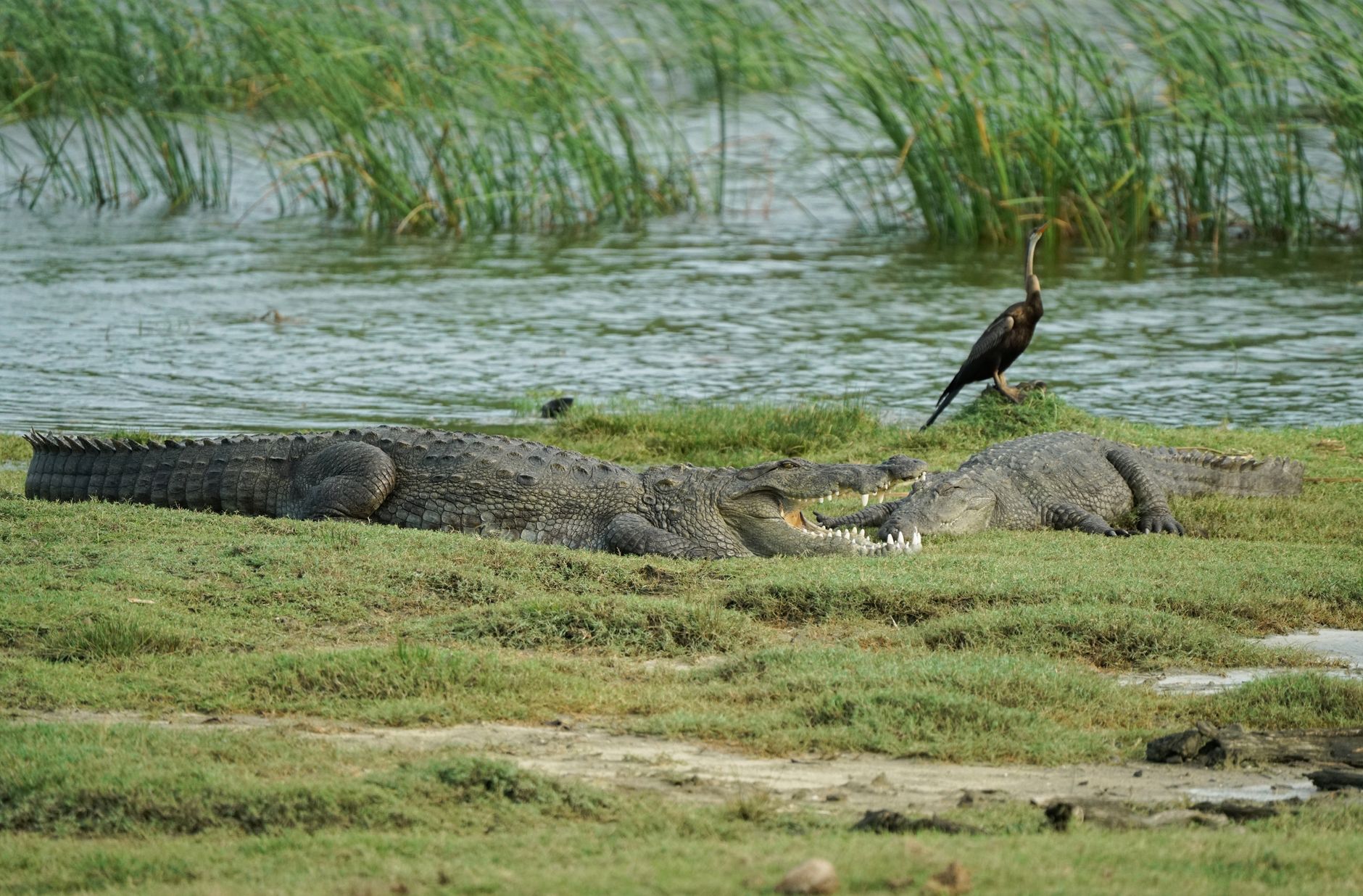
The power behind a crocodile’s bite lies in its specialized jaw musculature and skull structure.
- Powerful Muscles: Crocodiles possess some of the strongest bite muscles in the animal kingdom. These muscles, particularly those responsible for closing the jaws, are incredibly large and densely packed.
- Leverage and Skull Structure: The shape of their skull allows for maximum leverage, amplifying the force generated by the muscles.
- Jaw Closure: While crocodiles have immense strength when closing their jaws, the muscles responsible for opening them are relatively weak. This is why holding a crocodile’s jaws shut is possible with a surprisingly modest amount of force.
Bite Force: A Measure of Destruction
Bite force is measured in pounds per square inch (PSI). Crocodiles consistently rank among the animals with the highest recorded bite forces.
- Saltwater Crocodile: The saltwater crocodile (Crocodylus porosus) boasts the strongest bite force of any living animal, exceeding 3,700 PSI.
- Nile Crocodile: The Nile crocodile (Crocodylus niloticus) also possesses an incredibly powerful bite, reaching upwards of 5,000 PSI in some studies. This easily surpasses the force required to break bone and sever limbs.
- American Alligator: While alligators have a weaker bite than crocodiles, their bite force is still substantial, averaging around 2,980 PSI.
| Species | Average Bite Force (PSI) |
|---|---|
| Saltwater Crocodile | 3,700+ |
| Nile Crocodile | 5,000+ (observed) |
| American Alligator | 2,980 |
Hunting Techniques and Limb Removal
Crocodiles are ambush predators that rely on stealth and explosive bursts of speed to capture their prey.
- Ambush Tactics: They patiently wait beneath the water’s surface, often obscured by vegetation, before striking unsuspecting animals that come too close to the water’s edge.
- The Death Roll: Once they seize their prey, crocodiles often employ a terrifying maneuver known as the death roll. This involves spinning rapidly in the water, tearing flesh and disorienting their victim. This action, combined with their bite force, can easily lead to limb detachment.
- Targeting Limbs: Crocodiles often target the limbs of larger animals to disable them and make them easier to subdue.
Factors Influencing the Severity of a Bite
Several factors determine the outcome of a crocodile bite, including:
- Size of the Crocodile: Larger crocodiles possess greater bite force and are capable of inflicting more severe injuries.
- Location of the Bite: Bites to vital areas, such as the head, neck, or torso, are more likely to be fatal. A limb bite, while survivable, can result in amputation or severe tissue damage.
- Reaction Time: Swift action after an attack, such as applying a tourniquet and seeking immediate medical attention, can significantly improve the chances of survival and minimize the extent of the injury.
Avoiding Crocodile Attacks
The best way to avoid becoming a victim of a crocodile attack is to exercise caution and common sense in areas where crocodiles are known to inhabit.
- Be Aware of Your Surroundings: Pay attention to warning signs and be mindful of potential hazards.
- Avoid Swimming in Crocodile-Infested Waters: Never swim in areas where crocodiles are known to live, especially at dawn and dusk, when they are most active.
- Keep a Safe Distance: Maintain a safe distance from the water’s edge, especially when fishing or collecting water.
- Supervise Children Closely: Never leave children unattended near bodies of water in crocodile habitats.
- Do not feed crocodiles: Feeding crocodiles will cause them to lose their fear of humans and make them more likely to attack.

Frequently Asked Questions (FAQs)
Is it possible to survive a crocodile attack?
Yes, it is possible to survive a crocodile attack, although the outcome depends on numerous factors, including the size of the crocodile, the location of the bite, and the speed of medical intervention. Prompt action is crucial.
What should I do if a crocodile attacks me?
Fight back aggressively. Aim for the eyes, nose, or back of the throat. These are vulnerable areas. If possible, use any available object as a weapon.
Which crocodiles are most dangerous to humans?
The Saltwater Crocodile and Nile Crocodile are considered the most dangerous to humans due to their size, aggression, and widespread distribution.
Can an alligator bite your arm off, too?
While alligators have a weaker bite force than crocodiles, they are still capable of inflicting severe injuries. While less likely to sever a limb completely, an alligator bite can cause significant bone and tissue damage, potentially requiring amputation.
Do crocodiles actively hunt humans?
Crocodiles are opportunistic predators and will prey on anything they can successfully subdue. While they don’t typically target humans as their primary food source, attacks can occur when humans enter their territory or engage in activities that put them at risk.
Are crocodile attacks common?
While crocodile attacks can be fatal, they are relatively rare compared to other animal attacks. Most attacks occur in areas where humans and crocodiles coexist and where preventative measures are not adequately implemented.
What is the best way to deter a crocodile?
Making loud noises, throwing objects, and appearing large and intimidating can sometimes deter a crocodile. However, it is always best to avoid potential encounters altogether.
Do crocodiles only attack in water?
While crocodiles are primarily aquatic predators, they can and do attack on land. They are capable of short bursts of speed and can ambush prey that ventures too close to the water’s edge.
How fast can a crocodile swim?
Crocodiles can swim at speeds of up to 20 miles per hour in short bursts, making them formidable predators in the water.
What is the lifespan of a crocodile?
Crocodiles can live for a very long time, with some species living for over 70 years in the wild. Some individuals have even been reported to live for over 100 years in captivity.
Are there any crocodile warning signs I should look out for?
Pay attention to signs indicating the presence of crocodiles, such as distinctive tracks, scat, or the sight of a crocodile basking in the sun.
If a crocodile grabs my arm, should I try to pull it out?
No. Trying to pull your arm out directly is unlikely to succeed and could cause further damage. Instead, fight back aggressively and try to gouge its eyes or strike its snout. The goal is to get the crocodile to release its grip.