

Can I Bring Shells from Mexico to the US? Navigating Customs Regulations
The question of can I bring shells from Mexico to the US? is a complex one. Generally, small quantities of seashells for personal use are often permitted, but restrictions apply to certain species and commercial quantities, so it’s crucial to understand the regulations beforehand.
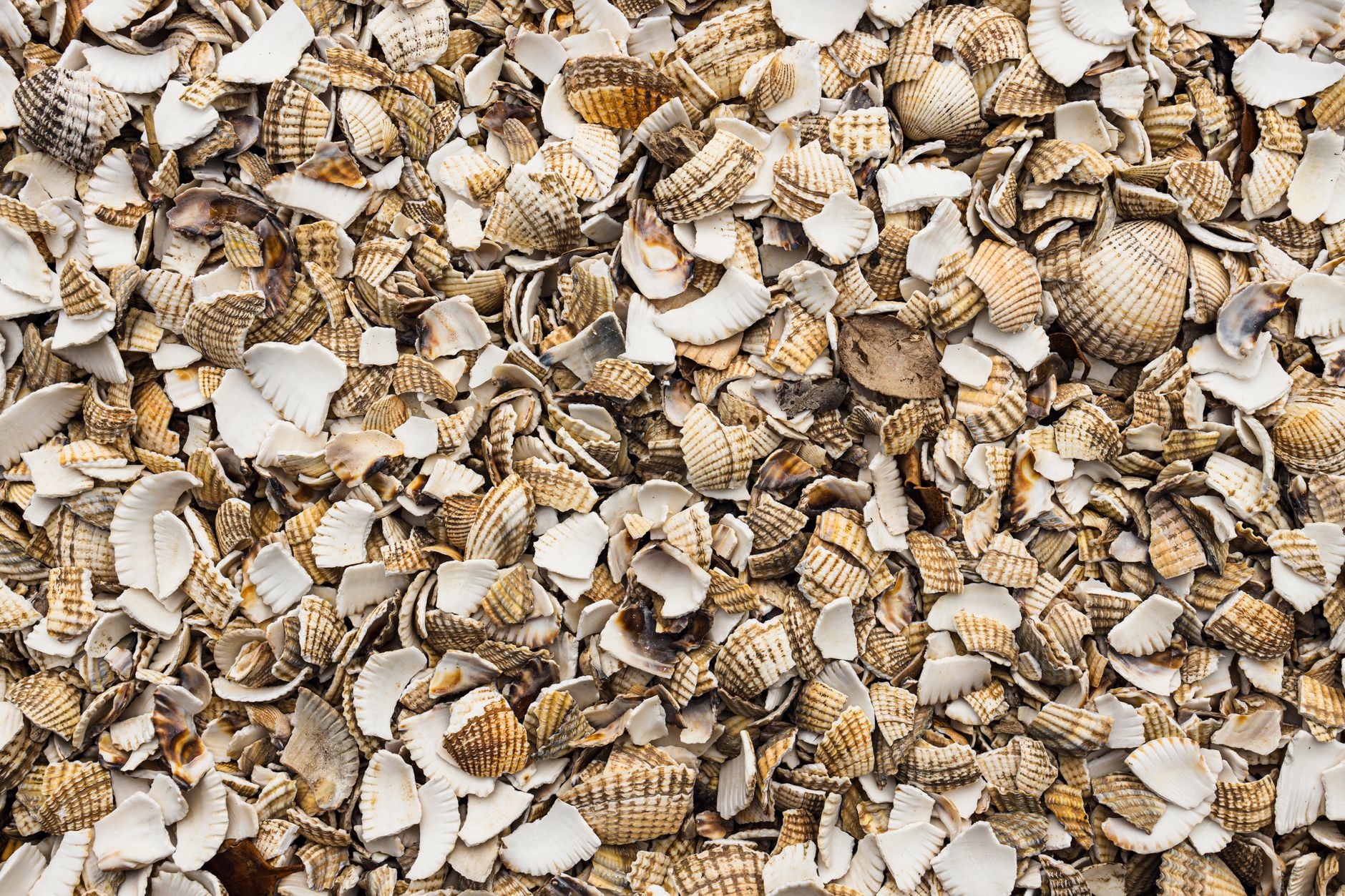
Bringing back souvenirs from a vacation is a common practice, and seashells often top the list for those visiting coastal destinations like Mexico. However, international regulations governing the import of natural items, including seashells, are in place to protect ecosystems and prevent the spread of invasive species. Understanding these rules before you travel can save you headaches, potential fines, and the disappointment of having your treasures confiscated at the border.
Understanding the Regulations
The key authorities to be aware of are the US Fish and Wildlife Service (USFWS) and the Customs and Border Protection (CBP). These agencies enforce laws designed to protect wildlife and prevent the introduction of harmful organisms into the US.
- US Fish and Wildlife Service (USFWS): This agency is primarily concerned with the conservation of wildlife. They regulate the import and export of protected species under laws such as the Endangered Species Act and the Convention on International Trade in Endangered Species of Wild Fauna and Flora (CITES).
- Customs and Border Protection (CBP): CBP officers are responsible for enforcing the laws of the US at the border. They inspect goods entering the country and ensure compliance with all relevant regulations, including those related to wildlife.
Permitted vs. Prohibited Shells

Not all seashells are treated equally under US law. Certain species are protected due to their endangered status or ecological importance.
- Permitted Shells: Generally, common seashells collected in reasonable quantities for personal use are allowed. These often include readily available species found on beaches.
- Prohibited Shells: Shells from endangered or threatened species, or those listed under CITES, are strictly prohibited. Examples might include certain types of giant clams or conchs. Shells with living organisms inside are also typically prohibited.
Quantity and Purpose
The intended use and quantity of the seashells you’re bringing back also play a significant role in determining whether they are allowed.
- Personal Use: Small quantities for personal use are generally treated more leniently. A handful of shells collected as a souvenir is usually acceptable.
- Commercial Purposes: Importing large quantities of shells for resale or commercial purposes is subject to stricter regulations and may require permits.
Declaring Your Shells
It is crucial to declare any seashells you are bringing into the US on your customs declaration form. Honesty is always the best policy. Failing to declare potentially restricted items can lead to fines and the seizure of your goods.
Steps to Take Before Traveling
To avoid problems at the border, it’s wise to take a few precautions:
- Research: Before collecting any shells, research the local regulations in Mexico regarding shell collecting. Some areas may have restrictions on what you can take.
- Identification: Try to identify the shells you collect. If you are unsure if a shell is protected, it’s best to leave it behind.
- Cleanliness: Thoroughly clean the shells to remove any sand, dirt, or organic matter. This reduces the risk of introducing invasive species.
- Declaration: Be honest and declare the shells on your customs form.
- Documentation: If you have any permits or documentation related to the shells, bring them with you.
Common Mistakes
- Assuming All Shells Are Allowed: Many people incorrectly assume that all seashells are safe to bring back.
- Failure to Declare: Not declaring shells, even if you believe they are permitted, can lead to penalties.
- Collecting Prohibited Species: Unknowingly collecting shells from protected species is a common mistake.
- Ignoring Local Regulations: Failing to research local Mexican regulations regarding shell collecting.
Table: Examples of Potentially Restricted Items
| Item | Reason for Restriction |
|---|---|
| Giant Clam | Often listed under CITES due to overexploitation. |
| Queen Conch | Threatened in some areas; may require permits. |
| Sea Turtle Shell | Protected under the Endangered Species Act. |
| Coral | Fragile ecosystems; some species are protected. |

Frequently Asked Questions (FAQs)
Can I bring shells from Mexico to the US if they are very small?
Yes, generally, very small, common seashells collected for personal use are typically allowed. However, it is always best to declare them and be prepared to answer questions from CBP officers. The key is ensuring they are not from a protected species and are cleaned of any organic material.
What happens if I don’t declare the shells I’m bringing back?
Failure to declare any items, including seashells, can result in fines, penalties, and the seizure of your goods. CBP officers can assess penalties for non-compliance with customs regulations.
How do I know if a shell is from an endangered or protected species?
The USFWS website is an excellent resource for identifying protected species. You can also consult with local experts in Mexico or take clear photos of the shells and inquire with wildlife authorities. When in doubt, it’s best not to collect the shell.
Are there any size restrictions on the shells I can bring back?
While there isn’t a strict size restriction applicable to all shells, very large shells might raise suspicion that they are intended for commercial purposes or could potentially be from protected species. Reasonable quantities of smaller, common shells are generally acceptable.
What if I bought the shells in a shop in Mexico? Does that make it okay to bring them back?
Purchasing shells in a shop does not automatically guarantee they are legal to import. The shop may not be operating legally, or the shells themselves may be prohibited. You still need to ensure the shells are not from protected species and be prepared to declare them. Ask the shop owner if they have the necessary permits.
Do I need a permit to bring back seashells from Mexico?
Generally, a permit is not required for small quantities of common seashells collected for personal use. However, if you are importing large quantities or shells from potentially protected species, you may need a permit from the USFWS.
What if the shells I found still have a living creature inside?
Seashells with living creatures inside are almost always prohibited. These can introduce invasive species that can harm local ecosystems. Always ensure shells are completely empty and cleaned before attempting to bring them across the border.
Can I bring back sand or other natural items besides seashells?
Bringing back sand, soil, or other natural items can also be restricted due to the risk of introducing invasive species. The CBP website provides guidelines on what is allowed. It’s always best to check specific regulations before attempting to import such items.
What kind of documentation should I have when bringing back seashells?
If you have any receipts or documentation showing where you obtained the shells, or if you have consulted with local authorities and received confirmation that the shells are permitted, bring those documents with you. However, this is generally only necessary if you have a large quantity, valuable shells, or shells which look unusual.
Are there any specific regions in Mexico where shell collecting is prohibited?
Yes, some regions or protected areas in Mexico may have specific regulations prohibiting or restricting shell collecting. It’s important to research the local rules before collecting any shells in a particular area.
What is the best way to clean seashells before bringing them back?
The best way to clean seashells is to soak them in a solution of water and bleach to remove any organic matter. Then, rinse them thoroughly and allow them to dry completely. This helps prevent the spread of bacteria and invasive species.
If a CBP officer confiscates my shells, can I appeal their decision?
Yes, you typically have the right to appeal a CBP officer’s decision to confiscate your shells. You can ask for information on the appeals process and submit documentation to support your claim that the shells are permitted. However, the appeals process can take time.