

Can a Coyote Puppy Be Raised as a Pet? A Complicated Question
The answer is complex and often strongly discouraged: While technically possible under certain (and often illegal) circumstances, raising a coyote puppy as a pet is ethically questionable, practically extremely challenging, and potentially dangerous for both the animal and the human. It’s crucial to understand the significant difficulties and potential risks involved.
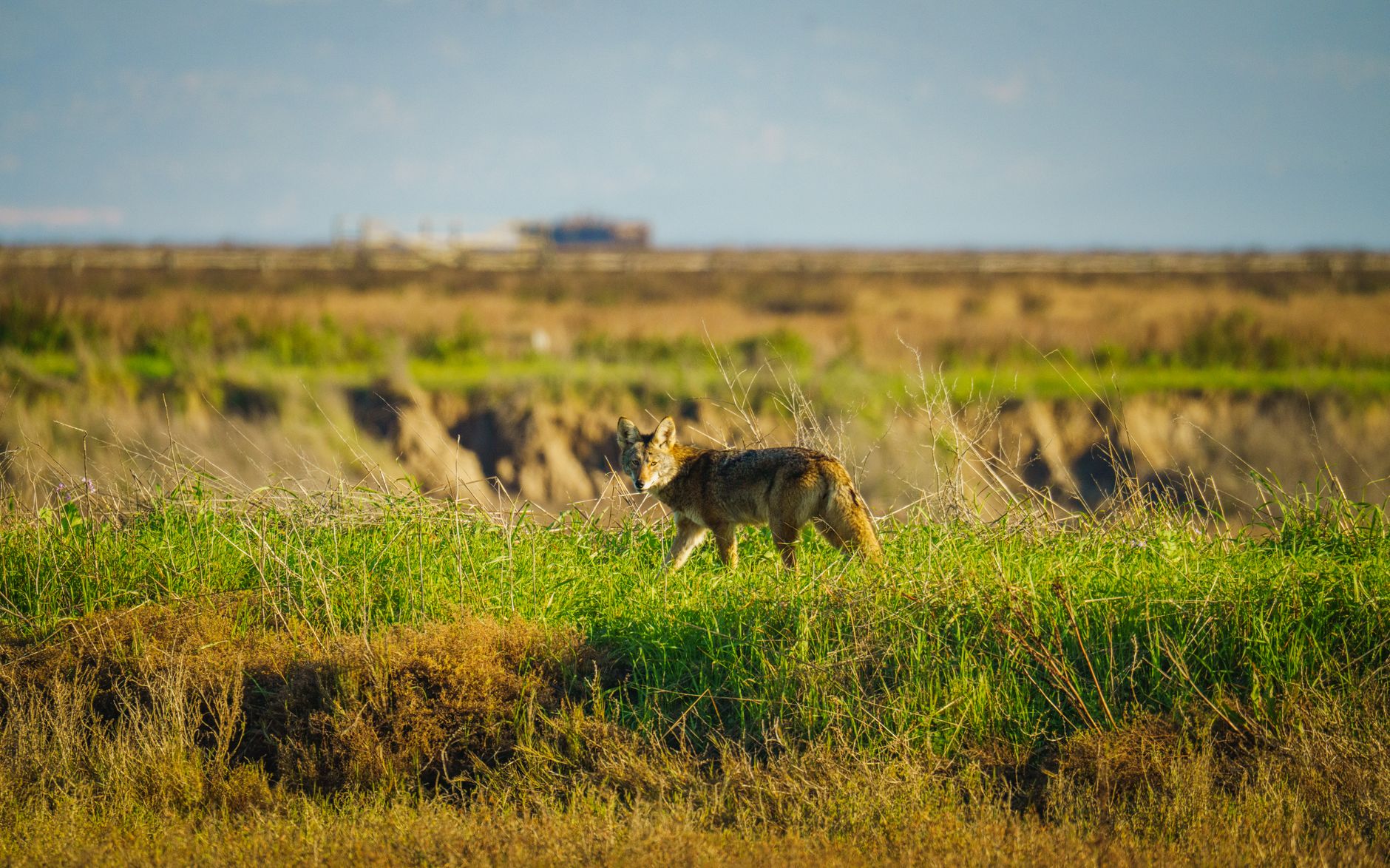
Understanding the Wild Nature of Coyotes
Coyotes are wild animals, possessing innate behaviors and instincts drastically different from domesticated dogs. Their needs and developmental pathways are finely tuned to survival in the wild, making integration into a human household exceptionally difficult. Attempting to override these natural tendencies raises serious ethical concerns and often results in significant behavioral problems.

What is the GREY African clawed frog?
Is distilled water good for goldfish?
What colours are fish most attracted to?
Can you put your finger in a trout's mouth?
Legal Considerations and Regulations

The legality of owning a coyote varies drastically depending on location. Many states and municipalities have strict regulations, prohibiting the possession of wild animals, including coyotes. Violations can result in hefty fines, confiscation of the animal, and even legal prosecution. Before even considering taking in a coyote pup, you must thoroughly investigate local, state, and federal laws. Ignorance of the law is not an excuse, and possessing an illegal animal could have serious consequences.
The Immense Challenges of Socialization and Training
Even when acquired young, coyotes retain their wild instincts. Their socialization period differs significantly from that of dogs. Training a coyote pup requires an extraordinary level of patience, expertise, and consistency. They are not naturally inclined to please humans, and their problem-solving skills, coupled with a strong prey drive, can lead to destructive and even dangerous behaviors.
- Early Socialization: Exposing the pup to various sights, sounds, people, and other animals is critical, but even then, the outcome is uncertain.
- Reinforcement Training: Requires deep knowledge of animal behavior and consistent application of positive reinforcement techniques. Punitive methods are generally ineffective and can damage the human-animal bond.
- Containment: Coyotes are excellent escape artists. Secure enclosures are essential, but even the most robust fencing might not be enough to contain a determined animal.
- Prey Drive: This instinct is deeply ingrained and can be difficult to manage, especially around small pets.
Ethical Implications of Keeping a Wild Animal
The ethics of keeping a wild animal in captivity are highly debatable. Coyotes, like all wild animals, are best suited for their natural environment. Removing them from their habitat, even with the best intentions, can cause significant stress and deprive them of the opportunity to express their natural behaviors. Furthermore, raising a coyote as a pet perpetuates the idea that wild animals are commodities, potentially fueling illegal poaching and trafficking.
Alternative Options: Coyote Rehabilitation and Conservation
Instead of considering a coyote as a pet, explore alternative options that contribute to their well-being and conservation. Supporting wildlife rehabilitation centers that care for injured or orphaned coyotes allows these animals to return to their natural habitat. Additionally, advocating for responsible wildlife management and conservation efforts helps protect coyote populations and their ecosystems.
Risks Associated with Keeping a Coyote
Keeping a coyote carries considerable risks for both the animal and humans:
- Unpredictable Behavior: Coyotes are inherently unpredictable. Even a seemingly well-socialized coyote can exhibit aggressive behaviors without warning, particularly around food or territory.
- Potential for Injury: Coyote bites can inflict serious injuries. Their powerful jaws and sharp teeth are designed for hunting and tearing flesh.
- Zoonotic Diseases: Coyotes can carry various diseases transmissible to humans, including rabies, distemper, and parasites.
- Public Safety Concerns: A coyote escaping its enclosure poses a significant threat to the public, especially in urban or suburban areas.
Table: Coyote vs. Domestic Dog – A Comparison
| Feature | Coyote | Domestic Dog |
|---|---|---|
| Domestication | Wild | Domesticated for thousands of years |
| Trainability | Very Difficult | Relatively Easy |
| Socialization | Complex, Variable Outcome | Generally Predictable |
| Temperament | Unpredictable, Independent | More Predictable, Affectionate |
| Legal Status | Often Restricted or Illegal | Generally Legal |
| Enclosure Needs | High, Escape-Proof | Moderate |
| Dietary Needs | Specialized, Whole Prey | Commercial Dog Food Available |
| Veterinary Care | Specialized, Limited Availability | Widely Available |
| Ethical Considerations | High: Animal Welfare, Conservation | Lower |
Common Mistakes Made When Trying to Keep a Coyote as a Pet
Many people underestimate the challenges of keeping a coyote. Here are some common mistakes:
- Underestimating Their Intelligence: Coyotes are incredibly intelligent and require constant mental stimulation.
- Assuming They Will Bond Like a Dog: Coyotes bond differently. Their affection is less overt and more conditional.
- Failing to Provide Adequate Space: Coyotes need ample space to roam and explore.
- Ignoring Their Instincts: Suppressing their natural behaviors can lead to frustration and aggression.
- Lack of Experience: Handling wild animals requires specialized knowledge and experience.
Frequently Asked Questions (FAQs)
Is it possible to fully domesticate a coyote?
No, it is highly unlikely that a coyote can be fully domesticated. Domestication is a process that takes generations of selective breeding to alter an animal’s genetic makeup and behavioral traits. While some individual coyotes may become accustomed to human interaction, they will always retain their wild instincts and inherent behaviors.
What kind of enclosure does a coyote need?
A coyote enclosure must be extremely secure and spacious. It should include a tall fence (at least 8 feet) with an overhang or buried wire mesh to prevent digging. The enclosure should also provide shade, shelter from the elements, and enrichment items to keep the coyote mentally stimulated.
What do coyotes eat in captivity?
A captive coyote’s diet should closely resemble what they would eat in the wild. This includes whole prey items such as rodents, rabbits, and birds, supplemented with fruits, vegetables, and commercial carnivore diets. Consulting with a veterinarian or wildlife nutritionist is essential to ensure proper nutrition.
Are coyotes dangerous to children?
Yes, coyotes can be dangerous to children. While coyote attacks on humans are relatively rare, they can occur, especially if the animal is habituated to humans or feels threatened. It is never safe to leave children unsupervised around a coyote, even one that appears tame.
Can a coyote be trained to walk on a leash?
While some coyotes may tolerate walking on a leash, it is not a reliable or safe practice. Coyotes are easily startled and can bolt or become aggressive if they feel threatened. It’s not recommended.
What are the signs of stress in a coyote?
Signs of stress in a coyote can include excessive pacing, self-mutilation, loss of appetite, hiding, and aggression. These behaviors indicate that the animal is not coping well with its environment and may require intervention.
What are the legal consequences of owning a coyote illegally?
The legal consequences of owning a coyote illegally can vary widely depending on the jurisdiction. Penalties can include hefty fines, confiscation of the animal, and even jail time. In some cases, the animal may be euthanized.
Is it ethical to keep a coyote in a small apartment?
No, it is highly unethical to keep a coyote in a small apartment. Coyotes require a large amount of space to roam and explore, and confinement in a small area can cause significant stress and behavioral problems.
Can a coyote be released back into the wild after being raised in captivity?
Releasing a captive-raised coyote back into the wild is generally not recommended. These animals often lack the necessary skills to survive on their own and may become dependent on humans, leading to further problems. Release is dangerous for the animal and the local ecosystem.
What should I do if I find an orphaned coyote pup?
If you find an orphaned coyote pup, do not attempt to care for it yourself. Contact your local wildlife rehabilitation center or animal control agency immediately. They have the expertise and resources to properly care for the pup and, ideally, release it back into the wild.
What if the coyote puppy seems sick or injured?
If the coyote puppy appears injured or sick, the first step is to contact your local animal control or a licensed wildlife rehabilitator. They will be able to safely handle the animal and provide the necessary medical attention. Do not try to handle the animal yourself.
Can a coyote coexist peacefully with domesticated animals like cats and dogs?
While possible under very controlled circumstances, it is generally not advisable to keep a coyote with domesticated animals. The coyote’s natural prey drive can pose a serious threat to smaller animals like cats and small dogs. Even larger dogs can be at risk, especially if the coyote perceives them as a threat or competitor.